
Open Projects in Energy
Explore research and CSR opportunities at
IIT Madras in this domain.
Energy
61 proposals
Diesel generator equivalent device with zero emission green hydrogen fuel
This Energy CSR proposal designs and deploys a stand-alone hydrogen fuel-cell generator as a clean alternative to conventional diesel gensets. The project includes solar-powered green hydrogen production, storage, and a fuel-cell unit that supplies electricity on demand at an IIT Madras test site. CSR partners can catalyse a scalable, zero-emission solution with clear potential to decarbonise backup power across campuses, industries, and remote facilities.
By: Prof. Aravind Kumar Chandiran
Cause: Energy

Mobility & Intelligent Transport (MINT) Collaborative
The MINT Collaborative is a flagship initiative anchored at IIT Madras to create digital infrastructure, research programs and skilled talent for next-generation mobility. Working with industry, government and academia, it aims to co-develop the Bharat Multi-Modal Mobility Stack and solutions that advance SDGs on sustainable transport, accident prevention and energy efficiency. CSR partners can shape India's mobility future while generating strong societal and economic impact.
By: Prof. Gitakrishnan Ramadurai
Cause: Energy
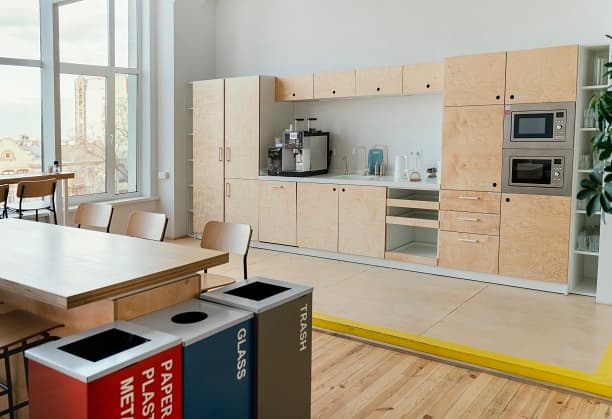
From hot smoky kitchens to clean cool homes: an integrated biogas and solar cooling solution for rural health: a climate change intervention and public health study in South Indian arid and heat-distressed villages
Millions of rural households in South India face dual health threats: indoor air pollution from firewood cooking and extreme heat stress from climate change. This IIT Madras project delivers an integrated climate-health intervention combining biogas-based clean cooking and solar-powered evaporative cooling. By replacing smoky kitchens with clean energy solutions and providing heat stress mitigation, this community-driven initiative improves respiratory health, reduces cardiovascular risks, creates local employment opportunities for women, and builds climate resilience in heat-distressed villages across arid regions.
By: Prof. Adithyan TR
Cause: Energy
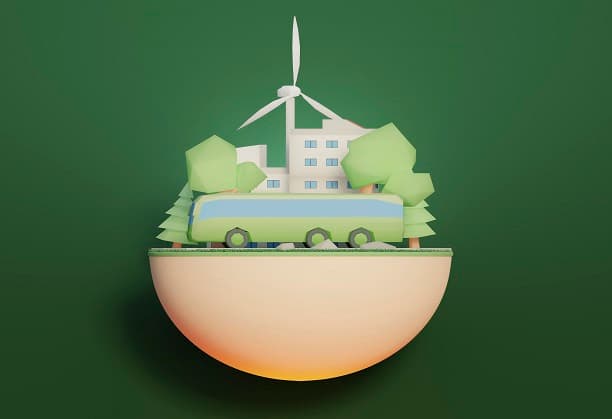
Vision for Green Ports: Transforming infrastructure well beyond existing global benchmarks on sustainability
India's strategic position in global maritime trade demands sustainable port infrastructure for future competitiveness. This IIT Madras project transforms Vishakhapatnam port into a tech-driven 'Green Port' through comprehensive electrification, renewable energy integration, and innovative cargo handling solutions. By implementing shore power, CNG/hydrogen vehicles, solar/wind energy, and energy efficiency upgrades, this initiative establishes regulatory compliance, fosters technological innovation, and creates a benchmark for Indian ports-positioning Vishakhapatnam as a sustainability leader while supporting India's maritime ambitions and decarbonization goals.
By: Prof. Nikhil Tambe
Cause: Energy
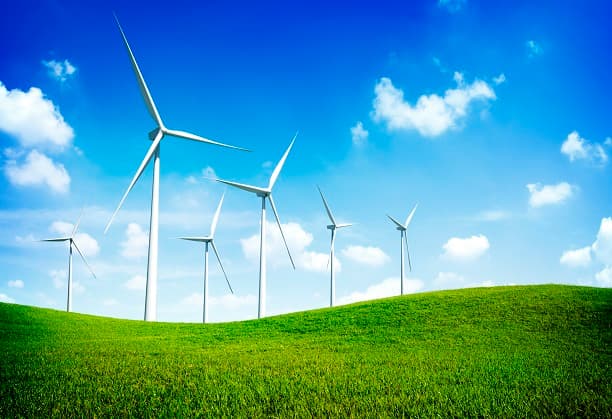
25 kg per day green hydrogen from biomass containerized demonstrator
Green hydrogen is critical for industrial decarbonization, but current production costs remain prohibitively high. This IIT Madras project demonstrates a breakthrough solution: producing 99%+ purity green hydrogen at $1/kg scale through biomass gasification. By converting agricultural residues into clean hydrogen fuel, this 25 kg/day containerized system simultaneously addresses two challenges - high hydrogen costs and agricultural waste valorization. The successful demonstration will pave the way for large-scale commercial deployments, transforming India's hydrogen economy while creating agricultural value chains.
By: Prof. S Varunkumar
Cause: Energy
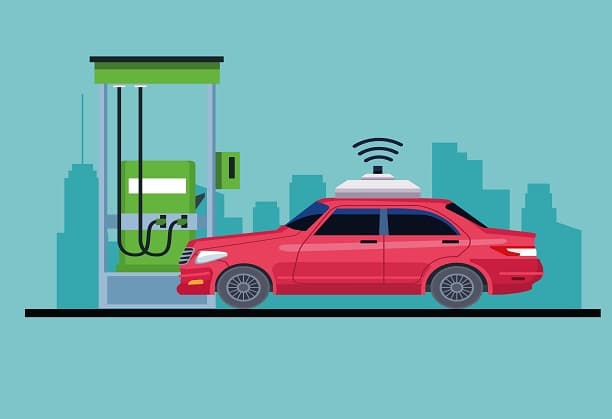
Design & development of dynamic wireless charging systems for roadway powered electric vehicles
Electric vehicle adoption faces a critical infrastructure challenge: the inconvenience and safety hazards of conventional plug-in charging. This IIT Madras project designs and develops dynamic wireless charging systems that seamlessly power electric vehicles while driving or parked-eliminating cables, reducing charging time, and enabling safer, weather-resistant operation. By pioneering roadway-integrated wireless charging technology, this initiative transforms EV charging infrastructure, accelerates zero-carbon transportation adoption, and positions India as a leader in next-generation mobility solutions for sustainable urban transportation.
By: Prof. Deepak Ronanki
Cause: Energy

Proposal for sustainable freshwater production with integrated cold storage
This project aims to develop an innovative system that combines sustainable freshwater production with integrated cold storage. By leveraging energy-efficient technologies, the initiative seeks to enhance water availability, reduce post-harvest losses, and support resilient livelihoods in underserved communities.
By: Prof. Advaith
Cause: Energy
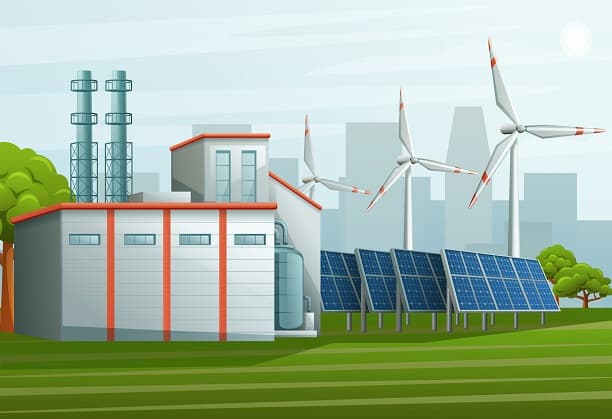
Green Hydrogen based renewable microgrid
This project focuses on developing a green hydrogen-based renewable microgrid that combines renewable energy generation with hydrogen production and storage. The initiative aims to enhance energy reliability, reduce carbon emissions, and demonstrate scalable clean energy solutions for a sustainable future.
By: Prof. Guhan
Cause: Energy
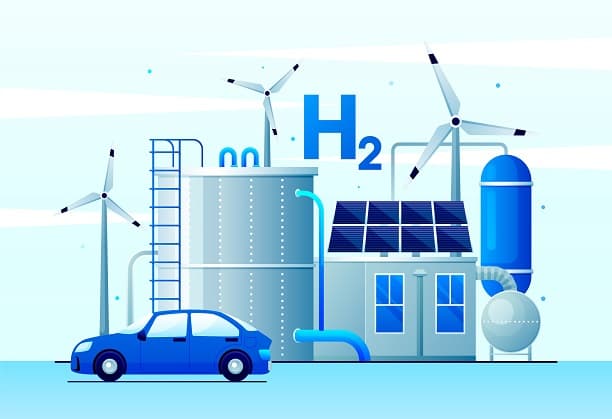
Development of Hydrogen Fuel Cell based three-four wheeler Vehicles
This project focuses on developing hydrogen fuel cell-powered three and four-wheeler vehicles to enable cleaner, energy-efficient transportation. By leveraging hydrogen as a sustainable fuel source, the initiative aims to reduce emissions, enhance vehicle performance, and support the transition to green mobility solutions.
By: Prof. Guhan
Cause: Energy
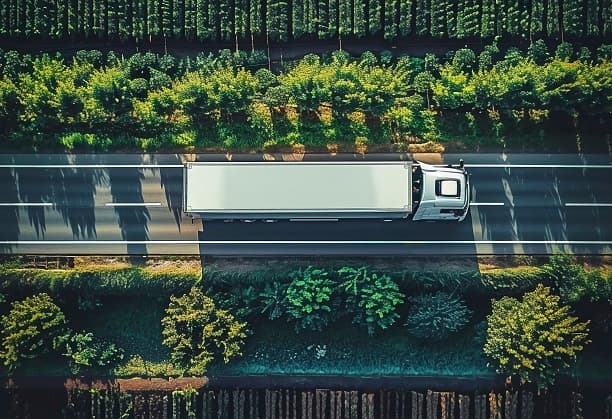
Driving E-Mobility: Center of Excellence for Zero Emission Trucking
The Centre of Excellence for Zero Emission Trucking accelerates the shift to clean and sustainable freight mobility. The project advances EV research, battery systems, charging technologies, and vehicle integration to support large-scale adoption of Zero Emission Trucks. Through CSR partnerships, companies can enable green logistics, strengthen mobility innovation, and create meaningful environmental impact.
By: Prof. Deepak Ronanki
Cause: Energy
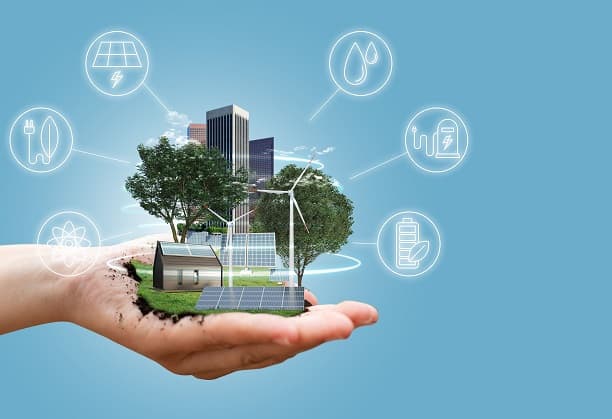
Achieving Net Zero Transition- Investigating the Business Model Innovations that enable scaling up and commercialization of new technologies
This research-driven CSR proposal studies how innovative business models and sustainable finance instruments can help climate-tech start-ups scale net zero solutions. Using multi-case studies across leading ecosystems such as Chennai, Bengaluru and the NCR, the project examines funding challenges and blended-finance tools that de-risk impactful technologies. CSR support will generate actionable insights for investors, policymakers and incubators seeking to accelerate affordable clean energy and climate action in India.
By: Prof. Thillai Rajan A
Cause: Energy

Sustainable materials towards green aviation: Conceptualization to Realization
This CSR proposal advances green aviation by developing efficient, high-quality natural composite materials and embedded structural-health-monitoring systems. The project covers literature review, composite formulation, lab-scale production and testing of mechanical, thermal and physical properties, alongside smart nanoparticle-based sensing. CSR partners can help create low-carbon alternatives to conventional synthetic composites, reducing greenhouse-gas emissions from aircraft while positioning India at the forefront of sustainable aerospace materials research.
By: Prof. David Kumar
Co-PI: Prof. Prashant Rawat, Prof. HSN Murthy
Cause: Energy
Energy Technology Incubator Proposal
This CSR proposal establishes a plug-and-play Energy Technology Incubator that supports start-ups across the full development pipeline, from incubation and customer discovery to engineering scale-up and market delivery. The incubator offers technical resources, market access and standards development while creating sandboxes that de-risk R&D for industry partners. CSR funding will nurture high-impact climate-tech ventures and accelerate low-carbon solutions for India's energy transition.
By: The Energy Centre
Cause: Energy
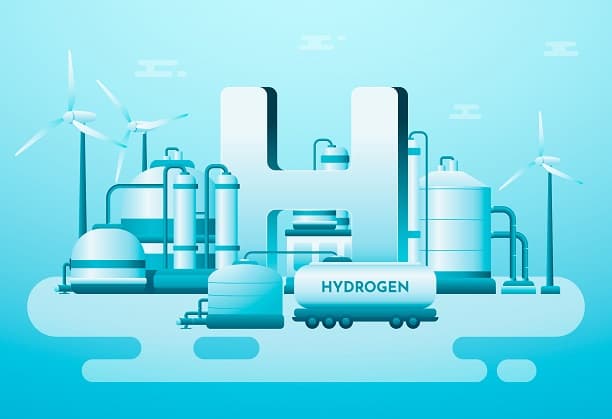
High Efficient Solar Fuel Generation-Focus on Green Hydrogen Production through Direct Photoelectrolysis
This CSR proposal advances next-generation solar water-splitting technology to produce green hydrogen directly from sunlight and water. The team will design high-efficiency materials, demonstrate photoelectrochemical devices at lab scale and assess techno-economic feasibility for low-cost hydrogen. With CSR support, the project can de-risk a promising pathway for large-scale solar fuel generation that contributes to India's clean-energy transition.
By: Prof. Aravind Kumar Chandiran
Cause: Energy
Magnetic field on enhancing the performance of photoelectrochemical solar water splitting to generate green hydrogen
This proposal investigates how magnetic polarization can boost the performance of photoelectrochemical solar water-splitting devices for green hydrogen generation. The team will engineer perovskite-based materials, correlate induced magnetic effects with excited-state lifetimes and PEC efficiency, and validate scalable device designs. CSR backing can accelerate a novel pathway to higher-yield, lower-cost green hydrogen from sunlight and water, advancing India's clean-energy goals.
By: Prof. Aravind Kumar Chandiran
Cause: Energy
Enabling clean and green energy for north-eastern states
This proposal develops integrated hydrokinetic-plus-solar plants that convert river currents and sunlight into dependable, low-cost electricity for communities in India's Northeastern states. Using VIVEC vibration-induced converters and modular solar installations, the scheme can be deployed along ferry jetties with minimal land requirements. CSR investment will cut fossil-fuel dependence, generate local employment and create a scalable model for decentralized green power in remote regions.
By: Prof. Sannasiraj
Co-PI: Prof. K Narendran
Cause: Energy
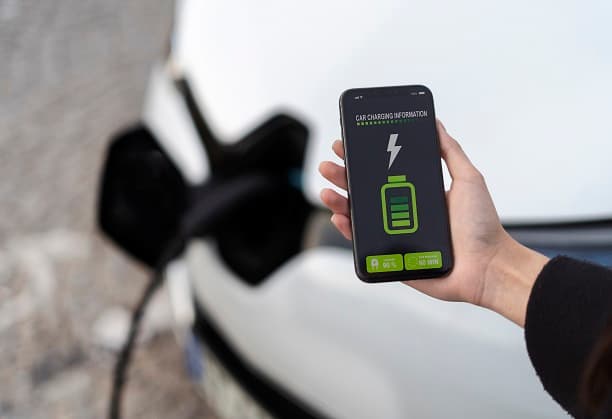
Silicon Carbide (SIC)-Based Wireless Battery Charger for Electric Vehicles
This CSR proposal develops a universal wireless charging system for electric vehicles using silicon-carbide based inductive power transfer converters. The project will create high-efficiency power electronics, demonstrate seamless charging of EV battery packs and lay the foundation for a development and testing facility at IIT Madras. CSR support can seed next-generation charging infrastructure that accelerates India's transition to clean, low-maintenance electric mobility.
By: Prof. Deepak Ronanki
Cause: Energy
Green Hydrogen Mobility Hub at IIT Madras
This CSR proposal establishes a Green Hydrogen Mobility Hub at IIT Madras, centred on a demonstrator fuel-cell bus and on-campus H2 refuelling options. The hub will integrate solar-powered electrolysers, operations training for students and policymakers, and detailed technoeconomic and landscape assessments. CSR partners can de-risk hydrogen mobility, showcase real-world performance and pave the way for commercial hydrogen bus fleets with fleet operators.
By: Prof. Aravind Kumar Chandiran
Cause: Energy
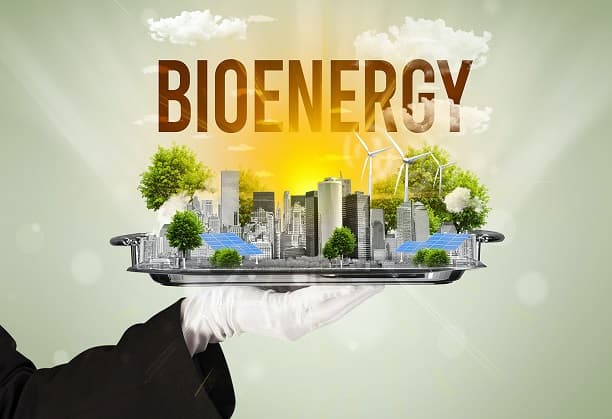
India Bio-Energy & Carbon Database
This CSR proposal develops a digital India Bio-Energy and Carbon Database that collects real-time data on biomass resources, starting in rural Maharashtra with a focus on women farmers. The platform will guide decisions on biomass use, carbon management and sustainable agriculture while improving livelihoods. CSR partners can scale a replicable data-driven model that supports climate-change mitigation and rural economic resilience.
By: Prof. Satyanarayana Seshadri
Cause: Energy
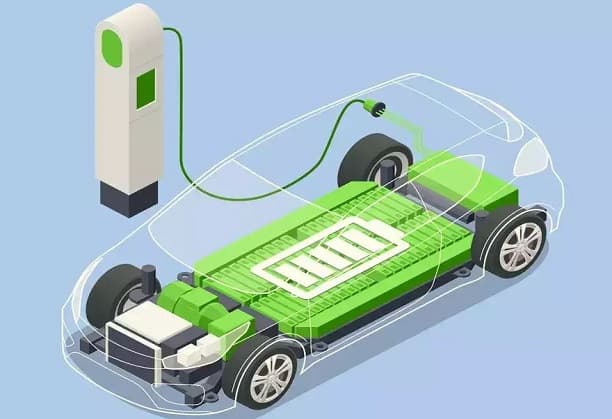
Battery Safety and thermal runaway in electric vehicles
This CSR proposal investigates how lithium-ion EV batteries behave under abuse, over-charging and extreme Indian temperature and road conditions that can trigger thermal runaway. The project will build a dedicated safety chamber, test NMC and LFP chemistries from multiple manufacturers and generate comprehensive safety guidelines. CSR funding will enhance passenger safety, inform policy and standards, and train M.Tech and PhD students in advanced battery-safety science.
By: Prof. Aravind Kumar Chandiran
Cause: Energy
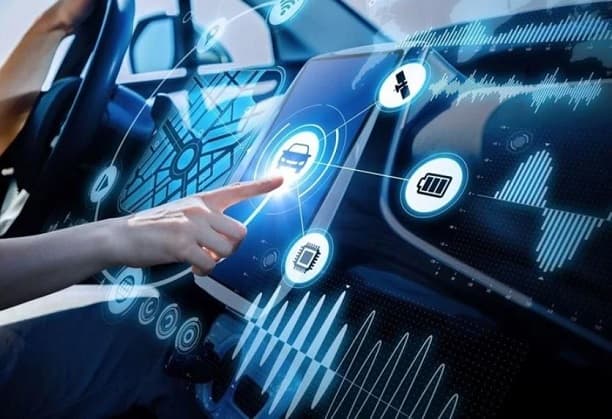
AI-Driven multi robot EV Battery Assembly in smart manufacturing : Precision & Coordination
This CSR proposal advances smart manufacturing by developing AI-driven multi-robot systems for precise, high-throughput EV battery assembly. The project tackles challenges in pack alignment, adaptive torque control and synchronized task sharing to replace repetitive manual operations. CSR support will help build demonstrator lines that cut cycle times, improve assembly quality and enhance safety for workers while upskilling talent in advanced automation.
By: Prof. Anuj Kumar Tiwari
Cause: Energy
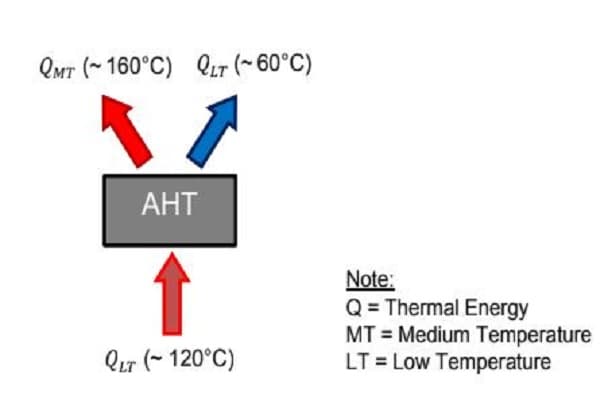
Development of an absorption heat transformer (AHT) for waste heat recovery and medium temperature steam generation
India's industrial sector, the largest energy consumer in the country, is heavily dependent on fossil fuels, contributing significantly to carbon emissions. This project develops an Absorption Heat Transformer (AHT) to upgrade low-grade waste heat (110°-120°C) into medium-quality steam (160°-180°C) for industrial reuse. The research facilitates effective utilization of low-grade waste heat across industries, developing an AHT prototype alongside numerical models to predict performance. These advancements will contribute significantly to India's 2047 Net Zero targets by enhancing industrial energy efficiency and reducing primary energy demand.
By: Prof. Satyanarayana Seshadri
Cause: Energy
Evaluating various energy storage devices for 24*7 energy security from renewables
India's energy consumption is expected to grow at 4.5% per year, and as this requirement comes from renewables, huge energy storage is needed to avoid curtailment and fill the deficit. This project develops a test rig to study batteries under different renewable generation profiles with/without grid support and load consumption profiles for commercial complexes and industries. The initiative tests lithium-ion batteries, sodium-ion batteries, lead-acid batteries, and electrolyzer/fuel cell combinations at any generation profile, energy sources, and load profiles, with outcomes expected at TRL5.
By: Prof. Aravind Kumar Chandiran
Cause: Energy
Quick and reliable Li-ion battery health characterisation_CAAR
This project develops characterization methods to quickly and reliably ascertain the state of health of lithium-ion batteries, their components, and especially cells. As Li-ion batteries power electric vehicles, energy storage systems, portable computers, and mobile phones, understanding key aspects of cells that contribute to battery health and can degrade significantly is crucial. Despite advancements in Li-ion chemistry and power electronics enabling mass adoption of electric vehicles, rapid electrification is limited by battery degradation challenges including thermal runaway, making reliable health characterization essential.
By: IITM
Cause: Energy

Sustainability through uninterrupted V-to-X Communications
This CSR-aligned initiative aims to advance uninterrupted V2X communication technologies, enabling safer, smarter, and more efficient mobility systems. By enhancing V2V and V2I data exchange through cellular and ad-hoc networks, the project supports fuel-efficient driving, real-time traffic intelligence, and improved road safety. It contributes to sustainable transport solutions, helping industries and communities transition toward intelligent mobility and reduced energy consumption.
By: IITM
Cause: Energy

Tunable hydrocarbons synthesis by CO2 hydrogenation
This CSR-supported research initiative at IIT Madras focuses on converting captured CO2 into tunable hydrocarbons through advanced hydrogenation technologies. The project strengthens India's clean energy transition by developing catalysts, scalable demonstrator units and processes for low-carbon fuel production. It enables industry partners to support climate innovation, circular economy solutions and sustainable energy pathways.
By: Prof. Jithin John Varghese
Cause: Energy

CO2 capture studies from flue gas stream through novel functionalized amine blends
This IIT Madras proposal develops an optimized CO2 capture approach using advanced amine blend solutions for industrial flue gas streams. The project enhances solvent efficiency, strengthens carbon-reduction pathways, and supports India's long-term climate commitments. Designed as a high-impact CSR partnership opportunity, it advances national sustainability and emission-control goals.
By: Prof. Jitendra Sangwai
Cause: Energy
Demonstration of Single-Pass CO2 conversion in industrial exhaust gas to ethanol
This IIT Madras project demonstrates a catalytic single-pass CO2-to-ethanol conversion system using steam as a sustainable hydrogen source. The initiative scales lab research to a near-industrial demonstration model, supporting cleaner fuels and carbon-neutral pathways. Designed as a high-impact CSR partnership, it advances India's transition to sustainable chemical and energy solutions.
By: Prof. Sagar Sourav
Cause: Energy
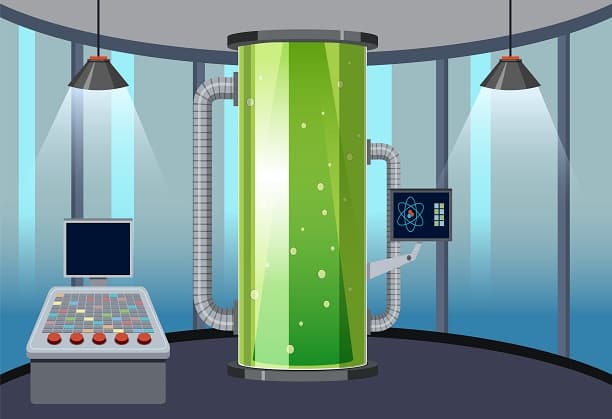
Multistage fluidized bed reactor : An attractive solution for corrosion free CO2 capture technology for industrial decarbonization
IIT Madras presents a corrosion-free multistage fluidized bed reactor (MFBR) system designed to improve CO2 capture efficiency through optimized adsorption-desorption cycles. This CSR-supported initiative addresses industrial decarbonization challenges by overcoming the limitations of packed and fluidized beds, delivering improved temperature control, pressure regulation, and overall reactor performance for cleaner, sustainable manufacturing.
By: Prof. Swapna Singh Rabha
Cause: Energy
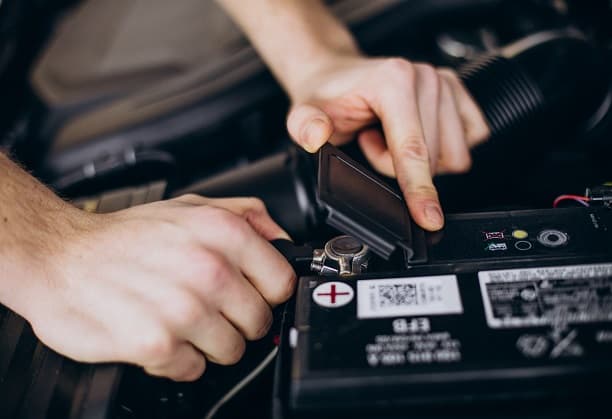
Experimental evaluation on performance of battery pack and BMS
This CSR proposal backs experimental evaluation of lithium-ion battery packs and their Battery Management Systems (BMS) with a focus on state of charge, state of health, thermal management and cell balancing. Using specialised battery and BMS testers along with hardware-in-the-loop simulation, the team will assess performance under realistic operating conditions. Support will help generate data and methodologies that enhance safety, longevity and efficiency of batteries across EVs, telecom, renewable energy and stationary storage applications.
By: Prof. Jayaganthan
Cause: Energy
Understanding lithium-ion battery explosion - Study on safety of electric vehicles
India's rapid adoption of electric vehicles faces a critical challenge: lithium-ion battery safety. Recent battery fires highlight the urgent need to understand explosion risks and prevention mechanisms. This IIT Madras research project investigates explosion probabilities and safe operation techniques for EV batteries under Indian driving conditions. Through comprehensive testing of battery abuse scenarios - electrical, thermal, and mechanical. This study will deliver actionable insights to enhance EV safety standards and accelerate India's electric mobility transformation.
By: Prof. Aravind Kumar Chandiran
Cause: Energy
Development of grafted nanoparticles for carbon capture
Carbon capture is essential for mitigating climate change and reducing industrial CO2 emissions. This IIT Madras research project develops advanced grafted nanoparticles- particularly silica and alumina-based materials - to enhance carbon capture efficiency. By functionalizing nanoparticle surfaces, this study aims to significantly improve CO2 adsorption capacity and selectivity. The research will demonstrate effective nanoparticle systems and evaluate their performance under varying conditions, offering promising solutions to address climate change challenges through innovative nanotechnology applications.
By: Prof. Khushboo Suman
Cause: Energy

Alternative cementitious binders using high volume of biomass ash
India generates 750 million metric tons of biomass annually from agricultural activities, creating both waste management challenges and untapped opportunities. This IIT Madras research project develops alternative cementitious binders using high volumes of biomass ash-transforming agricultural waste into sustainable construction materials. By establishing composition-reactivity relationships and optimizing chemical activation processes, this innovation could achieve 50-70% biomass ash utilization in cement production, reducing carbon emissions while addressing India's massive agricultural waste problem and construction material demands.
By: Prof. Piyush Chaunsali
Cause: Energy
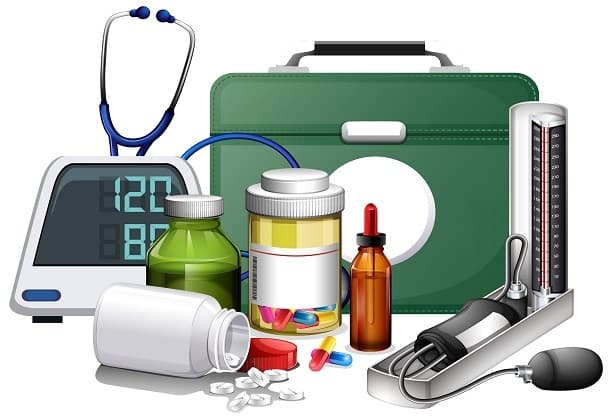
Establishment of battery pack - state of health assessment equipment kit
India's electric vehicle transition requires robust battery health monitoring to ensure sustainability and performance. This IIT Madras project establishes a comprehensive Battery State of Health (SoH) assessment equipment kit using the direct Ampere hour counting method. By enabling accurate evaluation of battery degradation and lifecycle performance, this initiative supports the entire EV ecosystem-from battery manufacturers and vehicle owners to insurers and recycling companies-fostering informed decision-making for sustainable battery management and circular economy practices in India's growing automotive sector.
By: Prof. Shankar Ram
Cause: Energy

Project LOUP
Project LOUP (Living On-campus with Utilitarian Practices) designs an electrified, smart, sustainable, and accessible mobility solution for the IIT Madras campus community. By integrating transportation electrification, AI-driven optimization, and user-centric design, this initiative aims to convert 70% of personalized motorized trips into smart trips within one year. The project serves as a living laboratory for sustainable urban planning, demonstrating scalable solutions for smart mobility, energy management, and accessible transportation that can be replicated across educational institutions and urban developments nationwide.
By: Prof. Atriya Biswas
Cause: Energy

Green Hydrogen Electrolyzer Test Rig/Lab
This IIT Madras project builds a versatile electrolyzer test rig lab that operates PEM AEM and alkaline systems on a variable DC supply mimicking renewable energy and includes integrated water treatment so CSR partners can accelerate green hydrogen cost reduction research while training professionals in safe efficient electrolyzer operation for a net zero future
By: Prof. Aravind Kumar Chandiran
Cause: Energy

Design and Development of Vertical Axis Hydrokinetic Turbine
Traditional hydroelectric power requires dam construction that significantly disrupts river ecosystems and displaces communities. This IIT Madras project develops vertical-axis hydrokinetic turbines that generate electricity from natural river currents without altering water flow patterns. With improved efficiency, reduced torque ripple, and minimal environmental impact, this technology offers sustainable, eco-friendly hydropower for remote and off-grid locations. By harnessing river energy without dams, this innovation provides clean electricity while preserving aquatic ecosystems and supporting decentralized renewable energy access across India's vast river systems.
By: Prof. Dhiman Chatterjee
Cause: Energy

Utilization of Green Ammonia as a Sustainable Energy Source for Decarbonisation of Power Generators in Rural Applications
Rural power generation heavily relies on diesel and natural gas, contributing significantly to carbon emissions and environmental impact. This IIT Madras research explores green ammonia as a sustainable fuel alternative for internal combustion engines and power generators. Through comprehensive experimental studies on ammonia-based combustion in dual-fuel and gaseous engines, this project develops optimized fuel cycles that enable rural electrification decarbonisation. By combining bio-gas with green ammonia, this innovation reduces fossil fuel dependency while providing reliable, carbon-neutral power generation for off-grid and rural applications.
By: Prof. Mayank Mittal
Cause: Energy
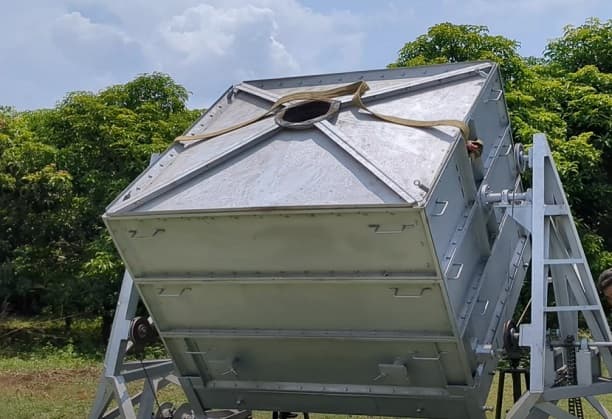
Portable Kilns for charcoal production from predominant weed species in Tamil Nadu
This CSR-supported project by IIT Madras focuses on developing and deploying portable, low-cost charcoal kilns to empower rural communities. By improving kiln efficiency, training local fabricators, and enabling microenterprises, the initiative strengthens livelihoods, promotes sustainable biomass utilisation, and supports safe, high-quality charcoal production for agricultural and entrepreneurial needs.
By: Prof. Abhijit Deshpande
Cause: Energy
Atmospheric nitrogen to ammonia using renewable electrical energy and catalyst generated out of spent batteries
This IIT Madras proposal develops an electrochemical flow reactor that turns atmospheric nitrogen into ammonia using ZnMn-O catalysts derived from spent primary batteries. By scaling a continuous reactor design and optimising flow fields, the project targets greener ammonia production while reducing battery recycling waste and future energy-storage costs, creating a high-impact opportunity for clean-energy CSR partnerships
By: Prof. Kothandaraman R
Cause: Energy

Green hydrogen: PV assisted generation from sea water
This IIT Madras project develops a corrosion resistant bimetal composite porous carbon foam catalyst and a solar PV powered seawater electrolyzer to demonstrate efficient green hydrogen generation from saline water By enabling direct electrolysis of seawater without harmful emissions or chlorine evolution, the project tackles both the energy transition and the water crisis, offering CSR partners a high impact pathway into sustainable fuel and climate action research
By: Prof. Sundara Ramaprabhu
Cause: Energy
Centre for battery safety
This IIT Madras project proposes a dedicated Centre for Battery Safety that will build advanced cell level and module level test facilities to study diverse chemistries, operating scenarios and fire risks so that data from rigorous experimentation, modelling and certification can guide the design of safer battery modules for electric vehicles and energy storage systems, creating a high value pathway for CSR partners to strengthen India's battery safety ecosystem
By: Prof. Aravind Kumar Chandiran
Cause: Energy
Carbon based nanomaterial for hydrogen storage tank
This IIT Madras project designs heteroatom nitrogen doped CNT polymer nanocomposites decorated with palladium transition metal alloy nanoparticles and uses them to build and test a 500 litre hydrogen storage canister operating near room temperature and moderate pressure so CSR partners can accelerate solid state hydrogen storage technologies that are vital for a safe efficient hydrogen economy
By: Prof. Sundara Ramaprabhu
Cause: Energy

Electric Bacteria for Air to Ammonia Conversion
This IIT Madras project uses a plasma electrochemical process that couples non thermal plasma with tailored electrocatalysts to reach ammonia production rates comparable to the Haber Bosch process while operating more sustainably so CSR partners can help convert ammonia production into a green industry that reduces CO2 emissions, supports agriculture and fine chemicals, and demonstrates hydrogen storage for future green transportation
By: Prof. Lakshman Neelakantan
Cause: Energy
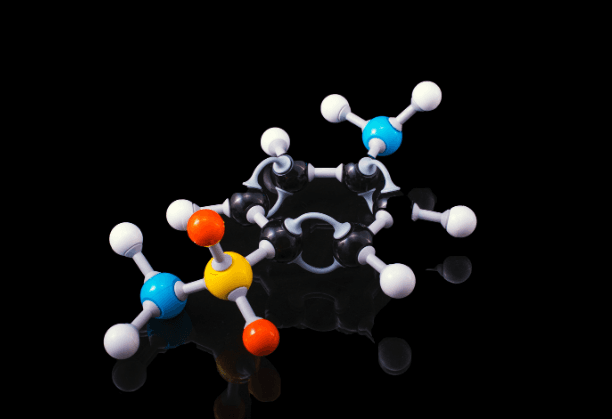
Non-noble metal nanoparticle-assisted solar heat collector system
This IIT Madras project designs and demonstrates a plasmonic nanofluid based solar energy collection system using non noble metal nanoparticles and a tandem receiver configuration so that optimised solar heat can drive efficient wastewater treatment and solar distillation, giving CSR partners a way to back zero liquid discharge ready technologies that cut industrial water footprints and energy use
By: Prof. Tiju Thomas
Cause: Energy
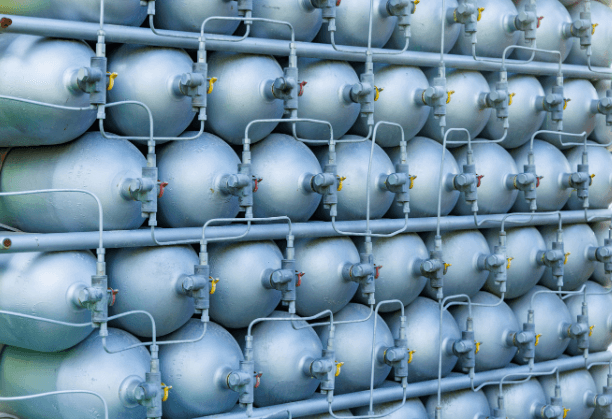
Development of a flex-fuel spark-ignition engine for utilization of green hydrogen-CNG blended fuels
This IIT Madras project develops and field tests a grid independent housing prototype powered by rooftop solar panels and mechanically rechargeable zinc air batteries so CSR partners can help remove battery charging bottlenecks in remote areas while enabling low cost safe zero carbon stationary energy storage for villages and emerging green housing models
By: Prof. Mayank Mittal
Cause: Energy
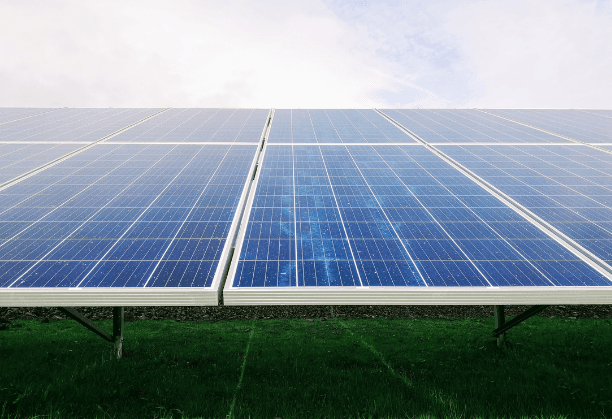
Storing solar energy as 'green zinc' for low cost,safe & sustainable stationary energy storage for grid independent housing
This IIT Madras project develops a flex fuel gaseous spark ignition engine setup and an in house ECU based electronic port fuel injection system to efficiently utilize hydrogen CNG blends while enabling training and knowledge dissemination for wide adoption of green hydrogen mobility so CSR partners can help India meet its national green hydrogen mission and decarbonisation targets in automotive and power generation sectors
By: Prof. Aravind Kumar Chandiran
Cause: Energy

Waste to Power: Converting Contaminated H2 from Industries into Power
This IIT Madras project develops an indigenous fuel cell based proof of concept that converts low concentration contaminated hydrogen exhaust from industries such as chlor alkali steel and refineries into useful electrical power so CSR partners can back waste to power solutions that cut emissions and partially substitute fossil based electricity with hydrogen derived energy
By: Prof. Kothandaraman R
Cause: Energy
Development of high capacity durable next generation K-ion batteries
This IIT Madras project designs optimised carbon based anodes, oxide based cathodes and additive enhanced electrolytes to build durable high capacity potassium ion coin cells so CSR partners can catalyse the next generation of cost effective large scale energy storage technology beyond lithium ion
By: Prof. Sundara Ramaprabhu
Cause: Energy
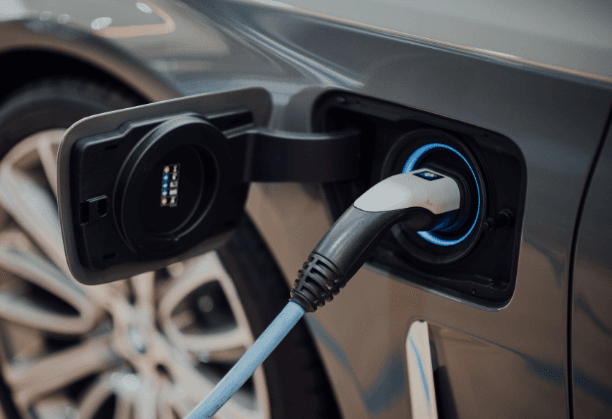
Magnetic field assisted high-capacity durable anode and cathode materials for Li-ion battery
This IIT Madras project engineers magnetic anode and compatible nonmagnetic cathode materials so that faded lithium ion cells can recover capacity and achieve more than two thousand cycles under magnetic field assisted operation giving CSR partners a route to enhance EV battery durability while reducing waste and pollution
By: Prof. Sundara Ramaprabhu
Cause: Energy

Textile Waste to Green Hydrogen to Power: An Attempt to Provide Cleaner Water and Energy
This IIT Madras project uses an electrooxidation based wastewater treatment process that generates hydrogen rich gas from textile effluents and then feeds the recovered hydrogen to fuel cells so CSR partners can help industry clean organic pollutant rich water while partially powering treatment plants with green hydrogen derived on site
By: Prof. Kothandaraman R
Cause: Energy
Building state-of-the-art laboratories for skill development in energy, decarbonization, IoT & sustainability
This IIT Madras project upgrades existing undergraduate and postgraduate laboratories into state of the art facilities for energy decarbonization IoT and sustainability and runs intensive hands on training and entrepreneurship programmes so CSR partners can help build NEP aligned industry ready talent for the fast growing clean energy and digital infrastructure sectors
By: Prof. Ravikumar R
Co-PI: Prof. Aravind Kumar Chandiran
Cause: Energy
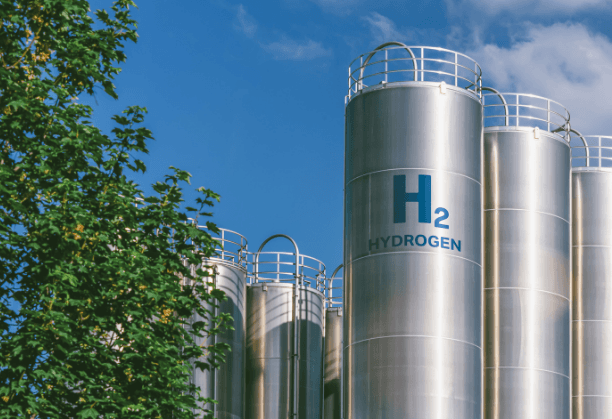
Direct solar water splitting for green hydrogen generation
This IIT Madras project engineers stable Cs based semiconductor and vacancy ordered perovskite devices for large area photoelectrochemical solar water splitting so CSR partners can help demonstrate efficient reactors that convert sunlight directly into green hydrogen without expensive protective layers or noble metals
By: Prof. Aravind Kumar Chandiran
Cause: Energy
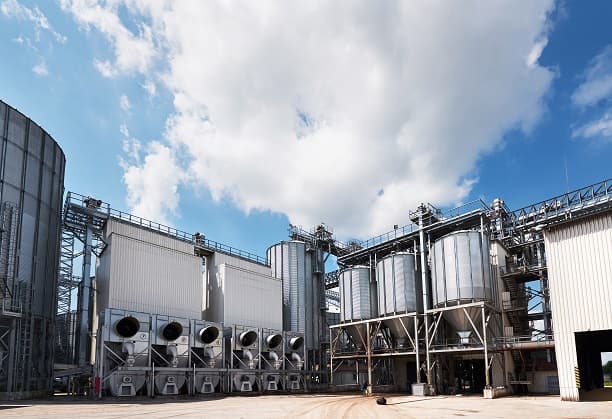
CO2 conversion process for decarbonization of cement manufacturing
This IIT Madras project pilots a CCUS system where CO2 from CaCO3 calcination is electrolytically converted to CO and combined with green hydrogen to form syngas whose combustion heat is reused in the cement process so CSR partners can help decarbonize one of India's highest emitting industrial sectors
By: Prof. Aravind Kumar Chandiran
Co-PI: Prof. Satyanarayana Seshadri, Prof. Rajnish Kumar
Cause: Energy

A novel bi-stable mechanism for wave energy conversion along the Maharashtra coast
This IIT Madras project deploys an innovative bi stable spring buoy wave energy converter in Maharashtra's coastal waters to demonstrate exceptional energy capture and system predictability so CSR partners can add marine renewables to the state's energy mix while reducing carbon emissions and improving local energy security
By: Prof. S A Sannasiraj
Cause: Energy

Industrial Decarbonisation Modelling Software
This IIT Madras project builds an industrial decarbonisation modelling platform that extends energy audits into full CO2 footprinting and carbon abatement analytics while adding baselining tokenisation and MRV features so CSR partners can equip Indian industries with practical tools to design finance and track deep emission reductions
By: Prof. Satyanarayana Seshadri
Cause: Energy
Laboratory of 'Extended Life in Lithium-ion batteries'
This IIT Madras project sets up a dedicated laboratory to generate real time ageing data and predictive models for lithium ion batteries from electric vehicles so CSR partners can enable safe second life use of EV packs in stationary renewable energy storage and improve the overall sustainability of battery powered mobility
By: Prof. Aravind Kumar Chandiran
Cause: Energy
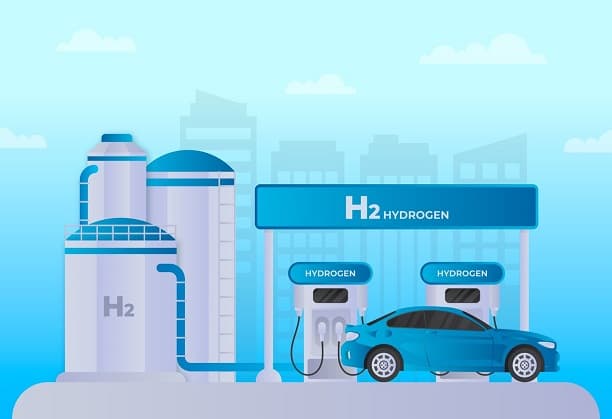
Next generation H2 refuelling stations and On-demand, On-board Retrofitting Production Modules
This IIT Madras project demonstrates a working prototype of a hydrogen refuelling station and an onboard retrofittable module that generate hydrogen on demand from patented solid state materials so CSR partners can help build safer scalable infrastructure for CNG H2 vehicles without relying on high pressure gas storage or centralized production plants
By: Prof. Tiju Thomas
Cause: Energy
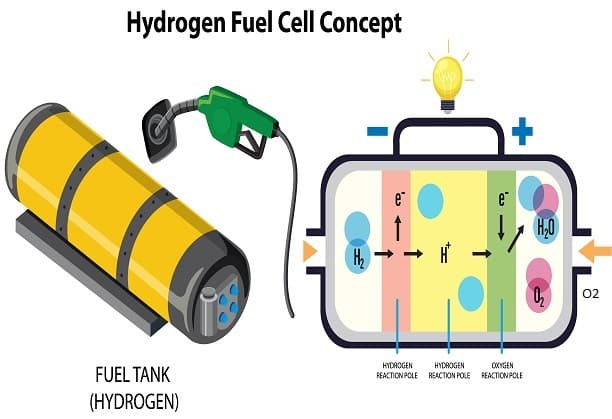
Development of low-Pt loaded carbon nanotube based electrocatalyst for hydrogen based proton exchange membrane fuel cells (PEMFC)
This IIT Madras project creates corrosion resistant heteroatom doped carbon nanotube supports decorated with low loadings of Pt or Pt alloy nanoparticles to achieve high power density and Pt utilization in PEM fuel cells so CSR partners can help make hydrogen fuel cell technology more affordable and scalable
By: Prof. Sundara Ramaprabhu
Cause: Energy

Intelligent Fast Charging Systems with high battery longevity for e-mobility applications
This IIT Madras project designs a chemistry agnostic closed loop fast charging algorithm that adjusts current in real time using cell voltage and temperature and integrates with EV BMS via CCS2 so CSR partners can enable charging systems that cut charge time by around half without sacrificing battery life.
By: Prof. Deepak Ronanki
Cause: Energy
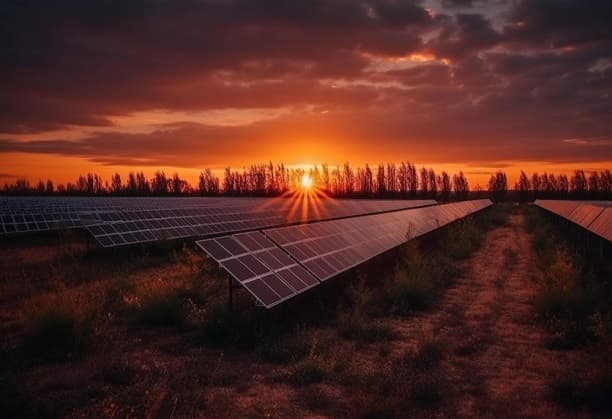
Economic yet efficient design of reconfigurable single-axis sun-tracking mechanisms for improved energy harvesting
This IIT Madras project develops and field tests a reconfigurable single axis solar tracking mechanism that delivers dual axis like energy capture with simpler lower cost hardware so CSR partners can make solar plants more efficient while reducing land use and infrastructure expenses
By: Prof. Sandipan Bandopadhyay
Cause: Energy