
Open Projects in Water
Explore research and CSR opportunities at
IIT Madras in this domain.
Water
37 proposals
Wastewater Based Epidemiology (WBE): Diagnosing community health through Wastewater Analysis-Generic Proposal
This proposal establishes wastewater-based epidemiology as a tool to assess Chennai's community health by measuring microbial loads, chemical contaminants, and illicit drugs in sewage. Developing standardised sampling protocols, high-throughput sequencing pipelines, and comparative analyses with clinical data, the project will feed a real-time online dashboard that supports early disease detection, targeted interventions, and CSR-aligned leadership on Sustainable Development Goal 3.
By: Prof. T Pradeep
Cause: Water
Wastewater Based Epidemiology (WBE): Diagnosing community health through Wastewater Analysis-Chennai City
The Chennai wastewater epidemiology CSR project develops protocols and sequencing pipelines to track infectious agents, chemical contaminants, and substance use patterns in community sewage. By integrating wastewater-derived metrics with clinical information and visualising them on an online dashboard, the initiative supports early disease detection, targeted interventions, and data-driven leadership aligned with global health and sustainable development goals.
By: Prof. T Pradeep
Cause: Water
Concept Note: A Hybrid Course on Water Quality, People's Water Data
This hybrid course, co-developed by IIT Madras and Tel Aviv University, seeks to create “People's Water Data†by training students to analyse key water quality parameters in both classroom and field settings. Combining theory with hands-on testing using handheld instruments and field kits across Tamil Nadu, the programme enhances water literacy, prepares future water professionals, and empowers communities to participate actively in the sustainable management of local water resources.
By: Prof. T Pradeep
Cause: Water
IoT enabled rural water supply
The IoT Enabled Rural Water Supply project equips Panchayat-level schemes with smart sensing and control systems to monitor surface water sources, storage, and distribution in real time. By automating key operations and providing data-driven insights to local officials, the initiative aims to reduce water loss, enhance reliability, lower operational risks, and generate tangible and intangible livelihood benefits for rural stakeholders.
By: Prof. Ligy Philip
Cause: Water
Technical Advisory Services by Aquamap - IIT Madras to WATCO on water quality assurance for all cities of Odisha
Safe drinking water access remains a critical challenge in urban India despite infrastructure investments. This groundbreaking collaboration between AquaMAP, IIT Madras, and the Water Corporation of Odisha (WATCO) marks a significant milestone in ensuring the success of the 24x7 Drink from Tap program for urban water supply systems across Odisha state. By providing comprehensive technical advisory services on water quality assurance, this initiative showcases leadership in water management, establishes robust quality frameworks, and creates a replicable model that could transform urban water supply systems nationwide if successfully implemented in Puri and other Odisha cities.
By: Prof. Ligy Philip
Cause: Water
Compact thermal desalination system for affordable drinking water
Global population growth and industrial expansion exponentially increase freshwater demand, creating urgent need for innovative water solutions. This IIT Madras project develops a compact low-temperature sea or grey water desalination system that reduces household, industrial, or community wastewater discharges by 70% or greater while optimizing thermal and electrical energy utilization. By providing easily installable systems with minimal maintenance costs, this technology produces 1000 liters per day of high-quality fresh water (less than 10 ppm salts), offering sustainable solutions for urban households, coastal areas with saline groundwater, high-usage businesses, and municipalities seeking environmental sustainability credentials.
By: Prof. Thilagan K
Cause: Water
Rural water supply meets advanced data analytics, machine learning and artificial intelligence
The initiative upgrades manually operated rural and peri-urban water systems with intelligent controls, sensors, and actuators powered by solar energy to enable continuous monitoring and optimisation. By analysing pump run-time, flow, and service levels, the project reduces overflows, power wastage, and failures while providing transparent information for stakeholders and aligning with national requirements for sensing, monitoring, and control under the Jal Jeevan Mission.
By: Prof. Sridharakumar Narasimhan
Cause: Water
Concept Note on In-situ drain rejuvenation by modular biofilm-Phytoremediation: A Low-Energy Approach for Resource-Limited Settings
The project aims to demonstrate a low-energy, nature-based technology for rejuvenating polluted drains using modular biofilm-phytoremediation units that can later be replicated at larger scales. Building on successful lab-scale trials, the system uses construction and demolition waste as support media, promotes microalgal carbon capture, avoids external power and greenhouse gas emissions, and is now seeking partners for a pilot covering about 170 metres of drain carrying 0.2 MLD of wastewater.
By: Prof. Ligy Philip
Cause: Water
Concept Note on hybrid Constructed Floating Wetland for in-situ Water Body Rejuvenation
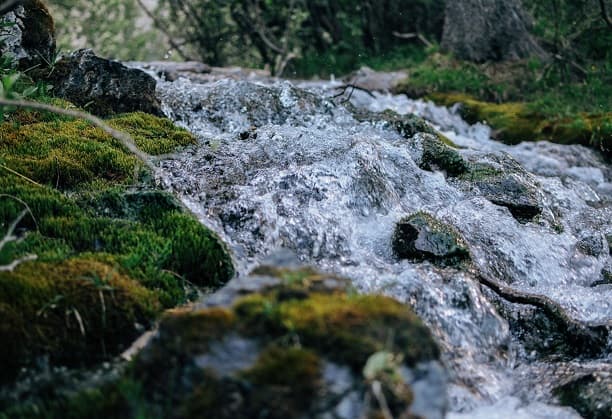
The project demonstrates a novel hybrid constructed floating wetland system as a scalable, low-energy CSR intervention for restoring stressed water bodies affected by nutrients and emerging pollutants, including pharmaceutical and personal care products. Developed by researchers at IIT Madras as a nature-based solution, the system combines phytoremediation and bioactive biochar to deliver effective contaminant removal while remaining suitable for deployment in resource-limited settings.
By: Prof. Ligy Philip
Cause: Water
Concept Note on rural wastewater management
The rural wastewater management CSR project addresses untreated greywater and septic tank effluent that threaten water quality and public health in villages. Building on installations already implemented in multiple villages with CSR support from industry partners, the model integrates treatment, reuse, and community spaces, and is now being scaled by state governments to hundreds of additional villages.
By: Prof. Ligy Philip
Cause: Water
Concept Note on sustainable waste management and resource recovery
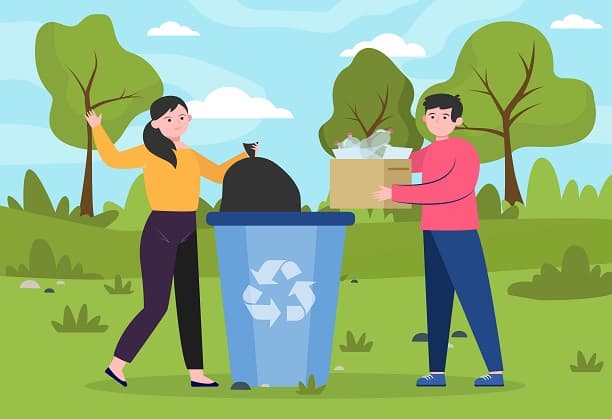
The sustainable waste management and resource recovery CSR project addresses rising solid waste volumes, greywater, and septic effluent in Indian villages that threaten water security, food security, and public health. Drawing on AquaMAP's expertise in constructed wetlands and advanced composting, and on successful CSR-funded deployments in multiple Tamil Nadu villages, the initiative aims to convert waste streams into useful resources while improving village hygiene and environmental quality.
By: Prof. Ligy Philip
Cause: Water
Concept Note on agricultural water management
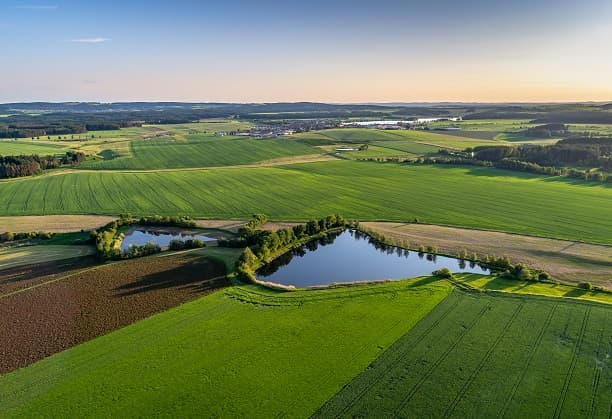
The agricultural water management CSR project centres on NeerPasanam, a mobile app that helps farmers schedule irrigation based on seven-day weather forecasts, soil information, and crop needs rather than intuition alone. Piloted in water-stressed rice-growing areas of Tamil Nadu with support from international CSR funding, the initiative has already improved irrigation timing, reduced excess water use, and enabled smarter sowing, harvesting, and input decisions for participating farmers.
By: Prof. Ligy Philip
Cause: Water
Concept Note on groundwater recharge
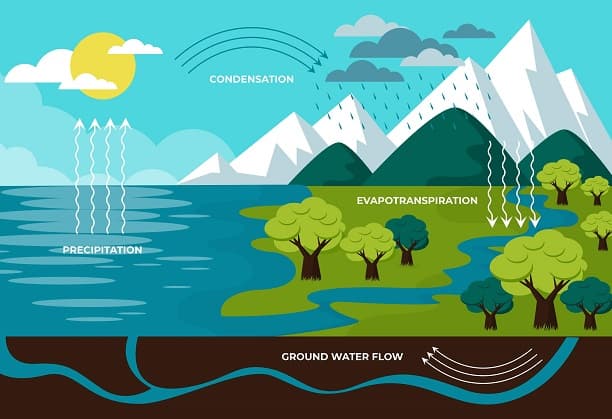
The groundwater recharge CSR project aims to counter rapid urbanisation-driven water stress in Bengaluru by installing thousands of low-cost recharge wells that enhance natural aquifer replenishment. Leveraging AquaMAP's nationally recognised expertise in groundwater management, the initiative seeks close collaboration with public and private agencies to identify optimal locations, design effective recharge structures, and rigorously evaluate their long-term hydrological benefits.
By: Prof. Ligy Philip
Cause: Water
Environmental surveillance of emerging viruses in community wastewater using automated samplers (Equipment)
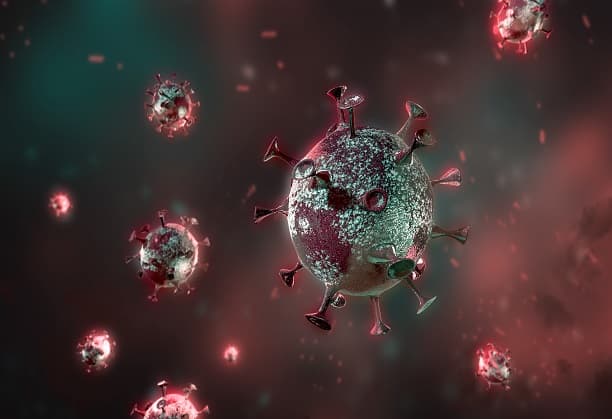
This project establishes wastewater-based environmental surveillance to monitor emerging and re-emerging viruses, including respiratory pathogens such as COVID-19, across communities. By deploying automated samplers at multiple sites and analysing temporal and seasonal trends, the system will rapidly detect infection hotspots, provide comprehensive datasets for public health authorities, and form the backbone of a fast, economical early warning network for outbreaks in India.
By: Prof. T Pradeep
Co-PI: Prof. Rahul Kumar
Cause: Water
Efficient degradation of harmful perfluoroalkyl substances using novel materials
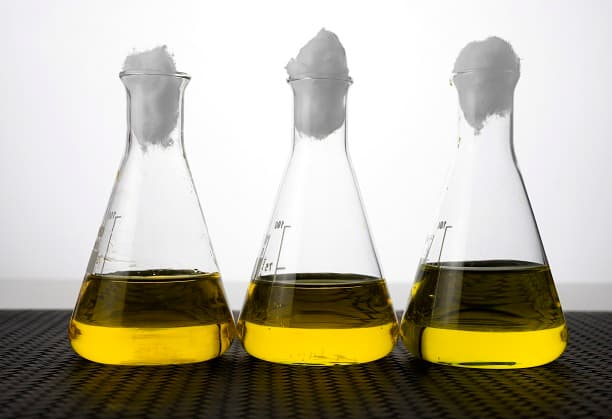
This project targets per- and polyfluoroalkyl substances, a large class of persistent man-made chemicals that accumulate in human organs and resist natural degradation. By systematically evaluating alkali and alkaline earth metal surfaces and applying ab initio molecular dynamics simulations, the team will identify promising candidates that break PFAS into environmentally benign metal fluoride products, contributing to sustainable, additive-free approaches for industrial waste management.
By: Dr.Yamijala SRK Chaitanya Sharma
Cause: Water

A Pocket Potentiostat for digital education
This project introduces a compact, affordable potentiostat that serves as a digital platform for electrochemical experiments outside traditional labs, using locally available consumables. Designed for the growing field of digital education, the PSTAT allows school and undergraduate students to explore core electrochemistry concepts linked to science literacy, modern technology, and water quality monitoring, expanding access to hands-on STEM learning and career inspiration in electrochemical technologies.
By: Prof. T Pradeep
Cause: Water
Microdroplet-based technologies for clean water
This project investigates the fundamental behaviour of microdroplets and harnesses their unique chemistry to break down persistent PFAS compounds in water. Through targeted experiments, advanced analytical methods, environmental sustainability assessments, and strategies for industrial scaling, the research aims to establish energy-efficient microdroplet-based remediation approaches and disseminate findings via publications, conferences, and outreach to policymakers and the public.
By: Prof. T Pradeep
Cause: Water

Study on floating structural concepts and riser systems for deep and ultra-deep water for east coast of India
This proposal focuses on studying and developing advanced floating structural concepts and riser systems for deep and ultra-deep water conditions along the east coast of India. The research aims to design safe, reliable, and cost-effective offshore infrastructure capable of supporting oil and gas exploration, renewable energy projects, and marine operations in challenging ocean environments. By enhancing engineering solutions for deep-water applications, the project seeks to strengthen India's offshore capabilities, improve energy security, and promote sustainable utilization of marine resources.
By: Prof. Sannasiraj
Co-PI: Prof. K Narendran
Cause: Water
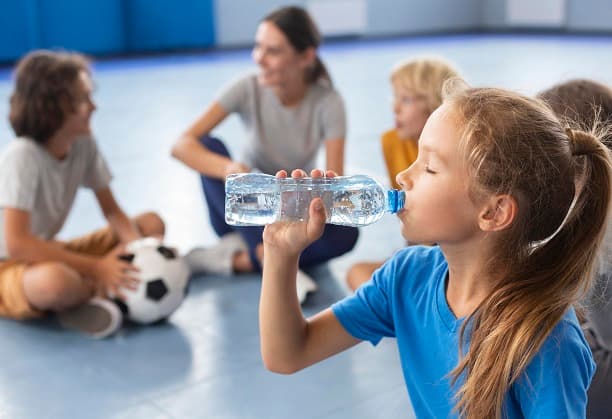
Sustainable solar-powered wastewater treatment systems to improve hygiene and sanitation in schools
This initiative designs and implements solar-powered wastewater treatment systems that recycle water and continuously monitor quality to tackle poor hygiene and sanitation in schools across India. By ensuring treated water meets permissible limits for safe non-potable use, the decentralised units reduce dependence on scarce freshwater, enhance toilet usability, and support continued education, especially for adolescent girls who are disproportionately affected by inadequate WASH infrastructure.
By: Prof. Ligy Philip
Cause: Sanitation
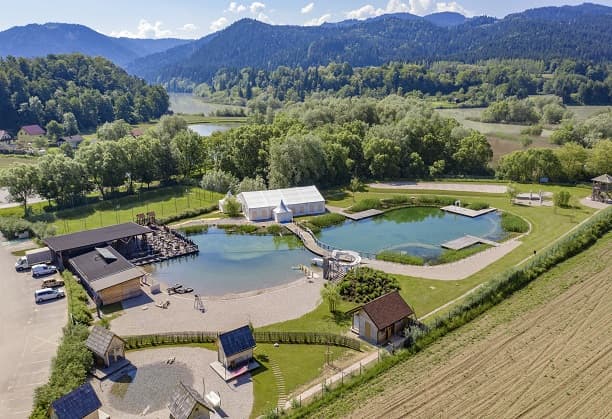
Concept Note on Water smart village
This CSR proposal from ICCW outlines a Water Smart Village concept that uses local treatment facilities, IoT-based dashboards, and mobile water testing to ensure safe, affordable drinking water in rural India. Building on national reports of widespread contamination, the project envisions a model village where regular monitoring maintains hardness, nitrate, and fluoride within safe limits while RFID-enabled systems and geotagging help identify and sustain secure water sources.
By: IITM
Cause: Water
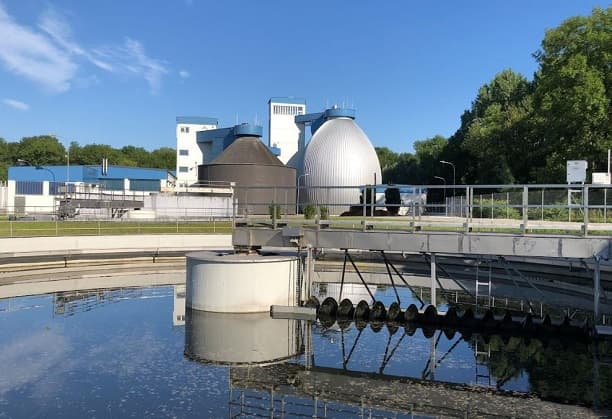
Design, supply, installation, commissioning & 5 years warranty comprehensive warranty operation and maintenance of iron, iron-cum-arsenic removal plants in the villages of Assam
This project aims to provide every rural resident of Assam with clean drinking water by deploying treatment plants based on AMRIT, an IIT Madras technology for removing anions and metals from groundwater. Addressing widespread contamination documented in several Indian states, the initiative covers design, supply, installation, commissioning, and a comprehensive five-year warranty and O&M package, aligning with government programmes to secure safe rural water supplies.
By: Prof. T Pradeep
Cause: Water
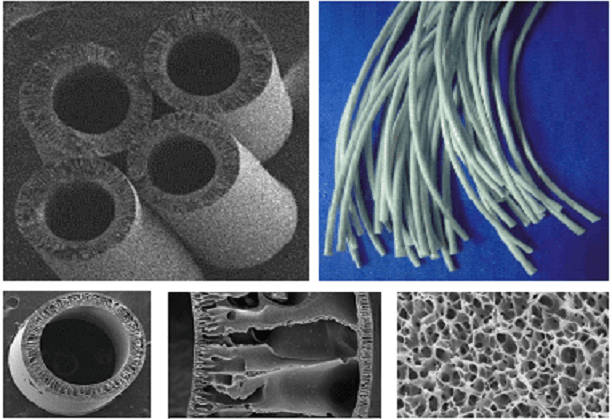
Low cost facile route for synthesis of hydrophobic metal organic frameworks (MOFs) and application in abatement of forever chemical from municipal wastewater using tuned hollow fiber membranes
This project designs a low-cost, environmentally friendly synthesis route for three hydrophobic Zr-based MOFs—UiO-66, UiO-66-NH2, and FJI-H7—and evaluates their capacity to adsorb diverse PFAS compounds from municipal wastewater. By embedding these high-surface-area materials into thin-film nanocomposite hollow fiber membranes, the team will optimise PFAS removal efficiency, develop data-driven synthesis and operating protocols, and establish pathways for material reuse across multiple treatment cycles.
By: Prof. Sankha Karmakar
Cause: Water
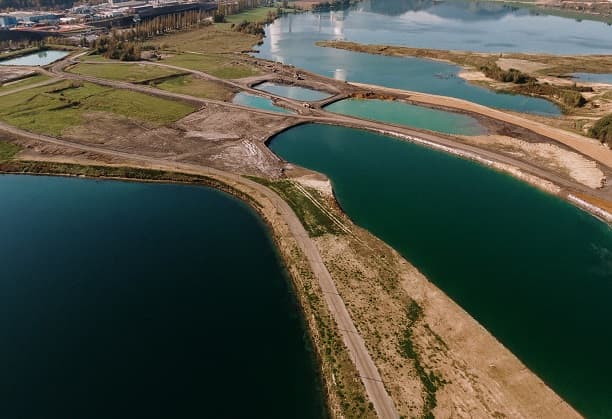
Concept Note on Aquamap Outreach Cell: Training, Education & Technical Services for water and wastewater management & WASH in global south
This concept note proposes an AquaMAP Outreach Cell at IIT Madras to strengthen human resources for installing, operating, and managing water and wastewater services while advancing WASH outcomes in the Global South. The cell will run capacity-building and technology training programmes, benchmark new treatment and grey water management solutions, undertake need-based research, and provide technical advisory services to governments and utilities working toward SDG-aligned water security.
By: Prof. Ligy Philip
Cause: Water
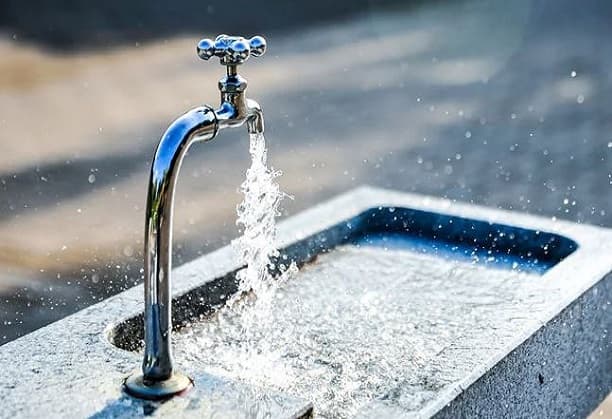
Sustaining domestic water supply in select village panchayats in Ramanathapuram district
The project supports ICICI's CSR programme to improve domestic water security in selected village Panchayats across Ramanathapuram district through coordinated surface and groundwater interventions. Activities include rejuvenating traditional Ooranis, developing ring wells and borewells, identifying fresh water zones, and implementing rainwater harvesting and recharge measures, all designed in partnership with local stakeholders to address complex water challenges.
By: Prof. T Pradeep
Cause: Water
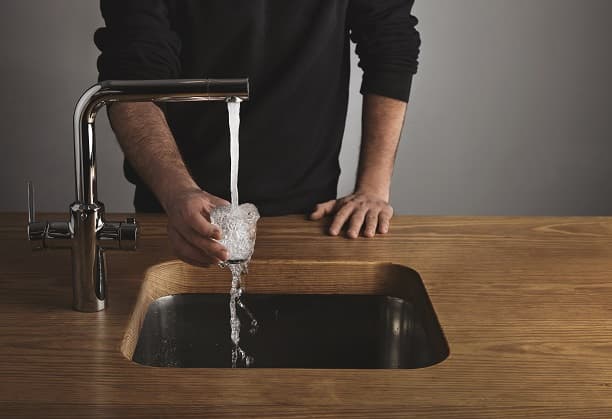
Endobot - Enabling Affordable & Clean Piped Water
The clean piped water CSR project introduces a remotely operated robotic inspection tool that travels inside underground pipelines to assess internal conditions, locate defects, and identify leakage and contamination risks. By enabling utilities and municipal corporations to reduce non-revenue water, avoid disruptive excavation, and target repairs more cost-effectively, the solution improves the reliability, safety, and longevity of urban water distribution systems.
By: Prof. Krishnan Balasubramanian
Co-PI: Prof. Prabhu Rajagopal
Cause: Water
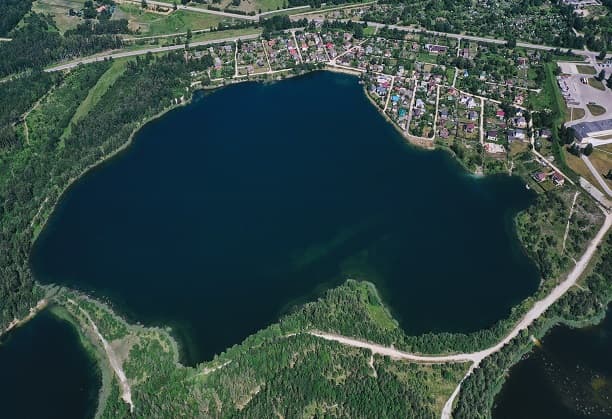
Generic Aquamap Project Proposal
The AquaMAP CSR programme aims to tackle pressing water and waste challenges across Indian villages by piloting and scaling context-specific technologies for water conservation, wastewater treatment, solid waste management, and water body rejuvenation. By monitoring performance under real-world conditions and feeding insights into policy discussions, the initiative seeks to conserve water resources, enhance cleanliness and hygiene, and uplift livelihoods through dignified, environmentally sound village development.
By: Prof. Ligy Philip
Cause: Water
Efficient water treatment potential through gel encapsulated nanoparticle immobilized on porous membrane.
The nanoparticle-based water treatment CSR project explores microgel particles immobilized on porous membranes to enhance disinfection and contaminant removal from wastewater. By trapping and inactivating pathogenic bacteria while improving overall treatment efficiency, the technology aims to generate safe recycled water suitable for irrigation and selected domestic applications, laying the groundwork for innovative large-scale treatment strategies.
By: Prof. Jitendra Sangwai
Cause: Water
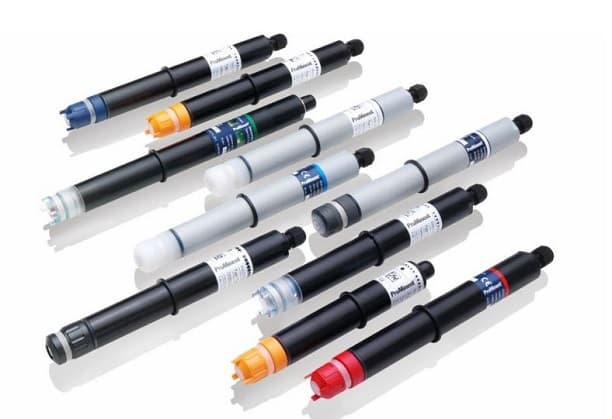
A water pen for free chlorine, PH & TDS Sensing
The water quality monitoring CSR project creates a portable "water pen" that uses advanced metal-sensing electrodes to test free chlorine, pH, and TDS in field samples. Designed to overcome limitations of traditional reference electrodes, the patented sensor platform provides robust, low-maintenance measurements whose data can support real-time quality tracking, regional analysis, and AI-driven predictions, with potential for international deployment.
By: Prof. T Pradeep
Cause: Water

Universal Hydro-informatics platform for MSME
The MSME hydro-informatics CSR project aggregates past, present, and projected water-cycle data to provide analytics and decision support for industrial clusters. Through GIS-based digital twins and stakeholder agreements, the platform guides on-ground interventions that enhance working conditions, boost competitiveness, and meet climate and resource conservation goals while being handed over to relevant regional authorities for long-term use and maintenance.
By: Prof. T Pradeep
Cause: Water

Development of a hydroinformatics platform for Nallampatti village for solution implementation
The Nallampatti hydroinformatics CSR project builds a digital twin of the village that integrates water-related data with health and economic indicators to guide solution design. By visualising multiple stakeholders' perspectives and using learning algorithms to reflect near real-time conditions, the platform supports collaborative decision-making, rapid testing of intervention options, and eventual replication to other communities seeking improved socio-economic outcomes.
By: Prof. T Pradeep
Cause: Water
Development of AI-based predictive models for water quality in India
The AI-based water quality CSR project aggregates historical groundwater data, land-use and climate variables, and remote-sensing information to train machine learning models that forecast quality at different locations, depths, and times. By highlighting emerging contamination hotspots and supporting targeted remediation, the platform aims to reduce water-related disease burdens, protect ecosystems, and create new local employment opportunities in monitoring and treatment services.
By: Prof. T Pradeep
Cause: Water
Development of pipeline rehabilitation robots and Swasth-AI
The pipeline rehabilitation CSR project designs robots equipped with inspection, agitation, and suction systems to clean and desilt large sewer lines while capturing detailed condition data. Integrated with the AI-based SWASTH platform, this data supports early fault detection, improves service for tens of thousands of households per city, and delivers substantial savings compared with traditional trenching and manual maintenance methods.
By: Prof. Prabhu Rajagopal
Cause: Water
SmartSan: Technologies for smart management of sanitation assets
The SmartSan CSR project scales up SmartLids and HomoSEP robots to handle desludging, suction, storage, and transport of waste from septic tanks and sewer manholes, replacing hazardous manual practices. By integrating these technologies with secure sludge transfer to sewage treatment plants, the initiative aims to achieve zero manual scavenging, reduce deaths in confined spaces, and generate dignified employment for sanitation workers.
By: Prof. Prabhu Rajagopal
Cause: Sanitation
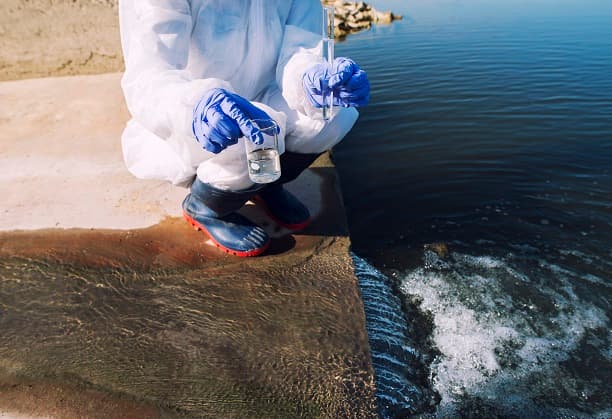
Capacity Building for analyses of Micro-pollutants in Water Bodies
The micro-pollutant monitoring CSR project focuses on building analytical capacity to detect hormone-disrupting and other priority contaminants in water bodies near densely populated peri-urban Chennai, where many households rely on septic tanks. By simplifying GC-MS-based methods into low-cost cartridges and compiling a comprehensive occurrence database, the initiative equips regulators, utilities, and developers to track pollution sources and design safer, more sustainable water and sanitation systems.
By: Prof. T S Chandra
Cause: Water
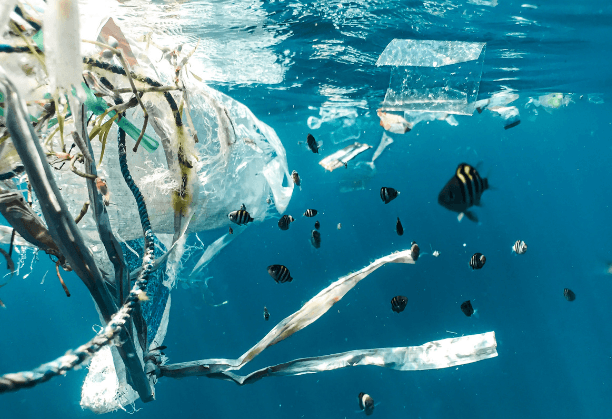
Enumeration of microplastics in water supply system and development of microplastics' removal technologies
The microplastics CSR project investigates particle loads and characteristics in water from Chennai's reservoirs and treatment plants, assessing how different process stages influence removal efficiency. Using on-site bulk sampling, sieving, and advanced analysis, the team will link micro and macro plastic pollution and develop tailored treatment technologies, ultimately supporting targeted action plans for microplastic control in urban water environments.
By: Prof. Indumathi Manivannan Nambi
Cause: Water
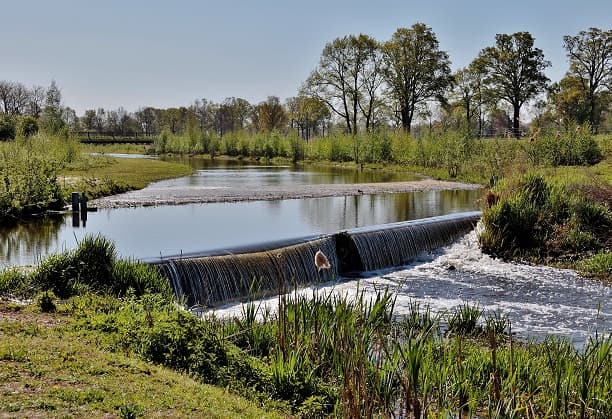
Sustainable Hybrid Water Systems
The sustainable hybrid water systems CSR project designs a planning toolkit that evaluates combinations of groundwater, surface water, rainwater, and recycled water to deliver continuous, fit-for-purpose supply at minimal financial and environmental cost. Piloted in a selected town, the toolkit will integrate data on rainfall, infrastructure, demand, and governance, offering dashboards, software, and guidance that local utilities and regulators can use to scale resilient water strategies.
By: Prof. S. Shankar Narasimhan
Co-PI: Prof. Sridharakumar Narasimhan, Prof. B.S. Murty
Cause: Water
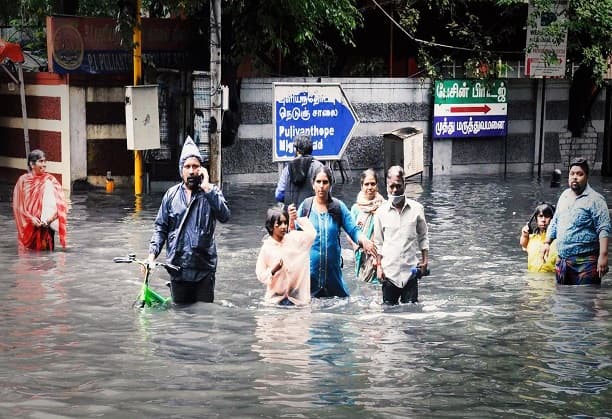
Urban Lake Restoration to Mitigate Flooding and drought and Social Integration to Create Sustainable Communities
The urban lake restoration CSR project focuses on rejuvenating a set of cascading lakes in the South Chennai watershed to complement ongoing work at Siruseri and Sembakkam. By reversing the impacts of unplanned urban sprawl and inadequate water and waste infrastructure, the initiative aims to enhance groundwater recharge, reduce flooding, naturally purify water, and foster ecological niches that support fisheries and recreation for surrounding communities.
By: Prof. Indumathi Nambi
Co-PI: Prof. Balaji Narasimhan
Cause: Infrastructure