
Open Projects in Healthcare
Explore research and CSR opportunities at
IIT Madras in this domain.
Healthcare
103 proposals
Design and development of high precision, affordable devices for ultra purification of blood (Broken down into smaller proposal as per our feedback)
This CSR-ready project designs high-precision, bio-compatible devices that remove excess potassium ions from blood and support dialysis for patients with renal disorders such as hyperkalemia. Using lab-on-chip and particle separation technologies, the solution aims to deliver portable, ultra-purification capability at a fraction of current dialyzer costs. Corporate partners can expand access to life-saving renal care while also enabling wider applications across healthcare and allied industries.
By: Prof. GL Samuel
Cause: Healthcare

Comprehensive health monitoring & early warning system based on complex system analysis and artificial intelligence tailored to Indian healthcare sector
This CSR-ready project builds an integrated health monitoring system that combines multi-sensor smart beds, cloud analytics, and machine learning for diagnosis and anomaly detection. Linked with Ayushman Bharat Digital Mission, the platform enables continuous monitoring, early disease detection, and personalised feedback for both hospital and home care settings. Corporate partners can expand equitable access to quality healthcare, especially in rural India, while strengthening epidemic surveillance and workforce efficiency.
By: Prof. Sujith
Cause: Healthcare

CSR Proposal on Breast Cancer Genomics
This CSR-ready project establishes a comprehensive breast cancer genomics pipeline spanning biomarker-based screening, molecular profiling, ctDNA tracking, and minimal residual disease monitoring. By enabling multi-level patient stratification and treatment surveillance, the initiative shifts care from one-size-fits-all protocols to personalised therapy decisions. Corporate partners can advance cutting-edge precision oncology for Indian patients while building a national cancer genomics data resource.
By: Prof. S. Mahalingam
Cause: Healthcare
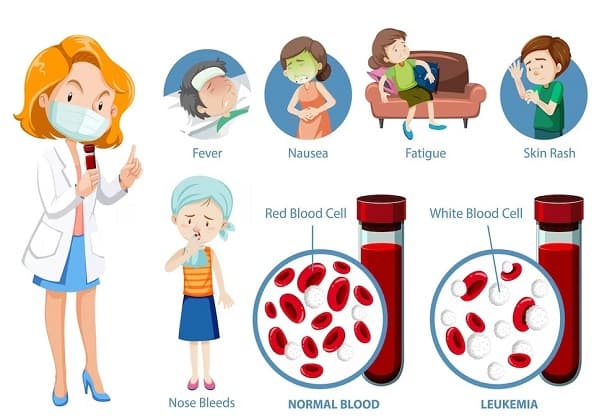
Equipment Support: Identification of biomarkers and novel drug targets for breast cancer from Indian cohorts using next generation sequencing
This CSR-ready project applies next generation sequencing to Indian pediatric leukemia cohorts to map genome and transcriptome changes over time. By isolating cancer cells, profiling gene mutations, and identifying biomarker panels, the initiative aims to improve early detection, risk stratification, and treatment design for childhood leukemia. Corporate partners can drive transformative pediatric oncology research that addresses a critical gap in India's genomic data.
By: Prof. S. Mahalingam
Cause: Healthcare
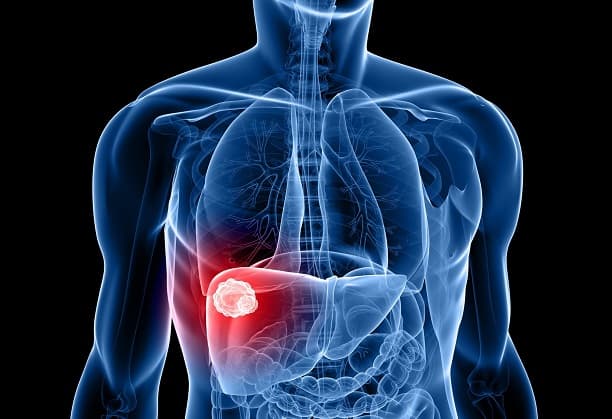
CSR Proposal on Liver Cancer Genomics
This CSR-ready project builds a comprehensive liver cancer genomics workflow spanning biomarker-driven detection, molecular profiling, ctDNA analysis, and minimal residual disease monitoring. By generating a large-scale genomic database and enabling multi-level patient stratification, it supports targeted therapies and better treatment surveillance for Indian patients. Corporate partners can accelerate precision oncology, reduce late-stage liver cancer burden, and strengthen India's cancer research ecosystem.
By: Prof. S. Mahalingam
Cause: Healthcare
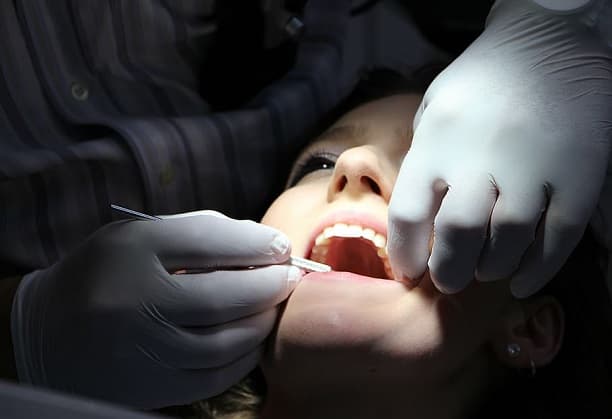
Affordable hyperthermia treatment to address the growing burden of oral cancer due to tobacco consumption
This CSR-ready project develops a cost-effective microwave hyperthermia platform that uses radar-guided antennas and precision power control to heat oral tumours safely. Designed as an indigenous, modular system, it enables late-stage oral cancer patients in low-income settings to access advanced adjunct therapy that improves outcomes and quality of life. Corporate partners can help reduce India's tobacco-driven cancer burden while catalysing homegrown oncology device innovation.
By: Prof. Kavitha Arunachalam
Cause: Healthcare
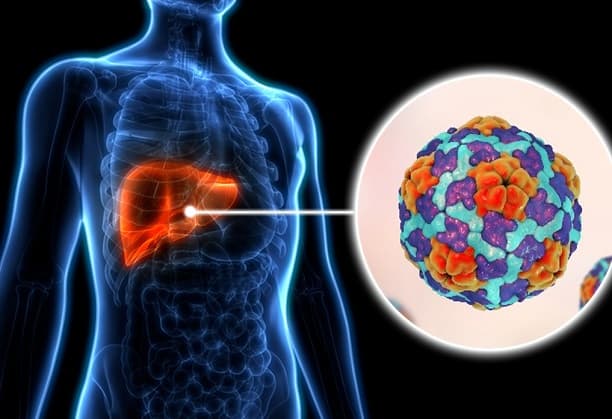
Fabrication of a cost effective, portable device for rapid detection and classification of Hepatitis viral strains
This CSR-ready project develops a lightweight, affordable device that can detect and differentiate hepatitis viral strains from a single blood sample in less than 20 minutes. Designed for home or near-patient use, it reduces reliance on bulky, expensive lab equipment and speeds up clinical decisions that preserve long-term liver health. Corporate partners can expand access to life-saving diagnostics for millions at risk of viral hepatitis.
By: Prof. GL Samuel
Cause: Healthcare
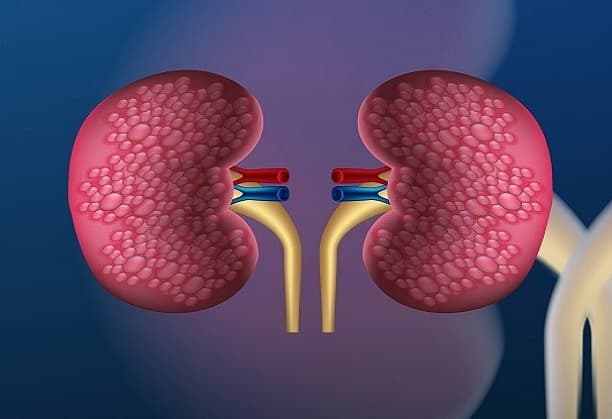
Prognostics for kidney health : Design and Development of a smart, AI/ML driven, IoT based device
This CSR-ready project designs a cost-effective, portable device that uses AI/ML algorithms and IoT connectivity to track kidney health and flag early signs of chronic kidney disease. With an intuitive visual interface suitable for patients, caregivers, and clinicians, it supports continuous monitoring, personalised interventions, and remote follow-up. Corporate partners can reduce healthcare inequality and dialysis demand by enabling proactive renal care across India.
By: Prof. GL Samuel
Cause: Healthcare
2-D Electronic Spectroscopy of photodynamic Therapeutic Drug Molecules
This CSR-ready project applies first-principles computational methods to interpret two-dimensional electronic spectra of zinc phthalocyanine-based photodynamic drugs. The work will uncover how electronic and nuclear motions drive photosensitization, guiding the design of more efficient PDT agents and stimulating experimental collaborations. Corporate partners can catalyse world-class basic research that underpins safer, more precise cancer treatments.
By: Prof. Krishna Reddy Nandipatti
Cause: Healthcare

Rural Women's Initiative for Skill Enhancement in education, awareness, screening, prevention and management of PCOS & GDM (WISH Project)
This CSR-ready WISH project works across four verticals: health education for rural college students, screening of young women for diabetes, malnutrition, hormonal imbalance, and PCOS, provision of medical nutrition counselling, and technical skill development. Grounded in NFHS data on undernutrition, obesity, and anemia, the program empowers reproductive-age women to safeguard their own health and that of future pregnancies. Corporate partners can drive lasting change in rural women's wellbeing and livelihoods.
By: Prof. Madhulika Dixit
Cause: Women Empowerment

Real-world deployment of India-specific Garbhini -GA1 & GA2 Gestational Age Models
This CSR-ready project scales up the Garbhini-GA1 and GA2 gestational age models, which are tailored to India's diverse maternal populations and dramatically reduce estimation error compared with Western-derived formulas. By enabling more accurate timing of interventions and better classification of preterm births, the deployment can benefit crores of pregnant women, including those served by Armed Forces Hospitals. Corporate partners can transform maternal and newborn outcomes nationwide.
By: Prof. Himanshu Sinha
Cause: Healthcare

Proposal for development of a universal stair climber solution
This CSR-ready project designs a compact, platform-based stair climber tailored to Indian homes, apartments, and commercial spaces, offering safe vertical mobility for elderly people and persons with disabilities. The Make-in-India device will be affordable, easy to install, and adaptable to emergency evacuation needs, providing a viable alternative to expensive stairlifts. Corporate partners can help deliver dignified, independent living while advancing Accessible India and Atmanirbhar Bharat goals.
By: Prof. Manish Anand
Cause: Healthcare

WINDYA : A CoE for wellbeing initiative for neurodivergent young adults
This CSR-ready initiative brings together a consortium of NGOs and disability experts in Tamil Nadu to create WINDYA, a centre of excellence for behavioural health and functioning among neurodivergent young adults. Through evidence-based assessments, personalized recommendations, and inclusive service models, the programme promotes independent living, meaningful employment, and community understanding of neurodiversity. Corporate partners can help scale a compassionate, technology-enabled ecosystem that unlocks human potential.
By: Prof. Arshinder Kaur
Cause: Healthcare

Vaginal Microbiome Data Collection for HPV Self-Screening for enhanced cervical cancer prevention
This CSR-ready project will build a vaginal microbiome dataset for healthy and HPV-infected Indian women, uncovering biomarkers that signal infection and cervical cancer risk. The findings will inform low-cost, self-screening strategies suitable for diverse and underserved communities, contributing to India's mission of a cervical cancer-free nation. Corporate partners can advance women's health equity through cutting-edge microbiome science and community screening innovation.
By: Prof. R Sridhar
Cause: Healthcare
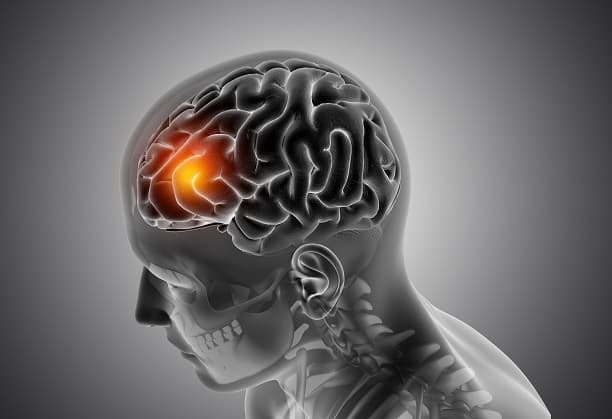
Targeting chemotherapy-resistant aggressive recurrent glioblastoma using soft hydrogel biomaterials
This CSR-ready project engineers a soft hydrogel-based 3D in vitro model that captures glioblastoma cell dormancy, phenotypic plasticity, and chemoresistance driven by the tumour microenvironment. By distinguishing dormant from proliferative cell populations and testing candidate drugs, the platform will reveal mechanisms of recurrence and support discovery of more effective therapies for aggressive GBM. Corporate partners can accelerate breakthroughs against one of the deadliest brain cancers.
By: Prof. Shantanu Pradhan
Cause: Healthcare

Center of Excellence in Engineered Cell Therapy for Cartilage Regeneration Research
This CSR-ready proposal seeks infrastructure and operational support for a cutting-edge research centre dedicated to engineered cell therapies that can reverse cartilage degeneration in conditions such as osteoarthritis. By enabling rapid regeneration of full-thickness cartilage with a single minimally invasive treatment, the centre aims to reduce disability, avoid joint replacement surgeries, and foster strong academia-industry partnerships in regenerative medicine.
By: Prof. Niket Kaisare
Cause: Healthcare
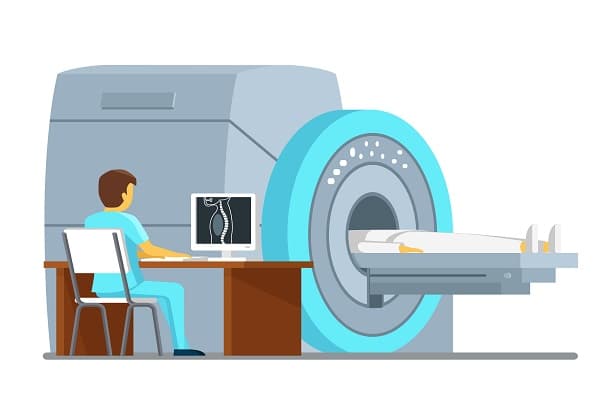
Center for Magnetic Resonance Imaging (MRI) Excellence
This CSR-ready initiative seeks support to install a high-performance 3T MRI scanner dedicated to research in neuro, musculoskeletal, oncologic, ageing, and whole-body imaging at IIT Madras. The facility will enable advanced quantitative imaging and biomarker discovery, foster AI-driven protocol development, and train India's next-generation imaging scientists. Corporate partners can catalyse a multidisciplinary engine for discovery with direct benefits for healthcare innovation nationwide.
By: Prof. Rupsa Bhattacharjee
Cause: Healthcare

A blood based cervical cancer screening test with better accessibility, affordability & acceptability
This innovative blood-based cervical cancer screening test represents a breakthrough in women's healthcare by offering a non-invasive, accessible, and affordable alternative to traditional screening methods. The test addresses critical barriers of cost, cultural acceptability, and healthcare access that prevent millions of women, particularly in rural and underserved communities, from receiving timely cervical cancer screening. By enabling early detection through a simple blood test, this technology has the potential to significantly reduce cervical cancer mortality rates and improve health outcomes for women across India and globally.
By: Prof. Raghavendra Sai VV
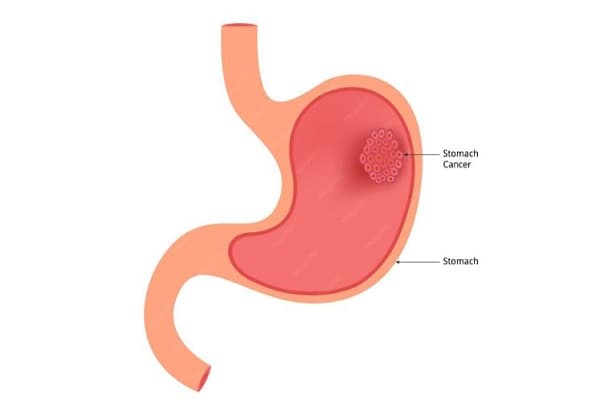
Detection of DNA biomarkers circulating in blood for gastric cancer detection using indigenously developed P-Fab platform
This innovative project focuses on detecting circulating DNA biomarkers in blood for early gastric cancer detection using the indigenously developed P-Fab (Paper-based Fabrication) platform. The technology offers a non-invasive, cost-effective alternative to conventional gastric cancer screening methods by identifying cancer-specific genetic markers present in the bloodstream. By combining advanced molecular diagnostics with an accessible paper-based platform, this solution aims to improve early detection rates and treatment outcomes for gastric cancer, particularly in resource-limited settings.
By: Prof. Raghavendra Sai VV

SAFE-MOM (Screening & Analysis using fiber optic biosensors for early detection of pre-eclampsia in motherhood)
SAFE-MOM (Screening & Analysis using Fiber optic biosensors for Early detection of pre-eclampsia in Motherhood) is an innovative diagnostic technology designed to identify pre-eclampsia at early stages through advanced biosensor technology. This system utilizes fiber optic biosensors to detect biomarkers associated with pre-eclampsia, enabling timely medical intervention and reducing maternal and fetal complications. By providing rapid, accurate, and accessible screening, SAFE-MOM aims to significantly improve pregnancy safety and outcomes, particularly for high-risk mothers in both urban and rural healthcare settings.
By: Prof. Raghavendra Sai VV
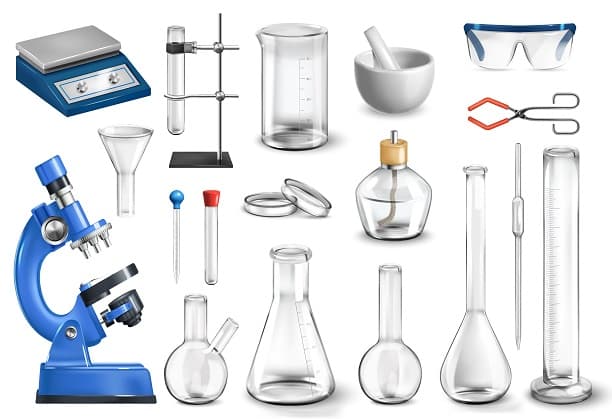
Purchase of lab equipment to aid IIT Madras, DMST, high speed ultracentrifuge
The purchase of a high-speed ultracentrifuge represents a critical enhancement to the Department of Metallurgical and Materials Engineering (DMST) research infrastructure at IIT Madras. This advanced equipment enables precise separation and analysis of materials at the molecular and cellular levels, supporting cutting-edge research in nanomaterials, biomaterials, polymers, and colloidal systems. By providing state-of-the-art centrifugation capabilities, this equipment empowers researchers to conduct sophisticated experiments in materials characterization, protein purification, nanoparticle synthesis, and advanced materials development.
By: Prof. DMST

Annexure to the above - Need assessment report for high speed ultracentrifuge at DMST, IIT Madras
This need assessment report provides a comprehensive analysis justifying the acquisition of a high-speed ultracentrifuge for the Department of Metallurgical and Materials Engineering (DMST) at IIT Madras. The document evaluates current research requirements, identifies gaps in existing infrastructure, and demonstrates how this equipment will enhance research capabilities across multiple domains including nanomaterials, biomaterials, and advanced materials characterization. By presenting evidence-based justification for this critical investment, the report supports informed decision-making for strengthening DMST's research infrastructure and competitive positioning.
By: Prof. DMST
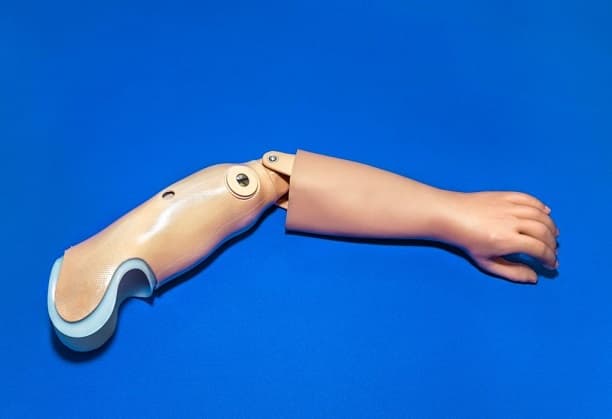
Project Jafar - Design of an affordable pediatric prosthetic arm for activities of daily living
Project Jafar is an innovative initiative focused on designing and developing an affordable, functional prosthetic arm specifically tailored for children to perform activities of daily living. This project addresses the critical gap in accessible pediatric prosthetics by creating a cost-effective solution that grows with the child, incorporates user-friendly controls, and enables essential tasks like grasping, writing, and self-care. By combining advanced engineering with affordability and adaptability, Project Jafar aims to restore independence and improve quality of life for children with upper limb differences across economic backgrounds.
By: Prof. Sujatha Srinivasan

Developing an AI-Human translation collaboration platform
The AI-Human Translation Collaboration Platform is an innovative system that synergizes the efficiency of artificial intelligence with the nuanced understanding of human translators to deliver high-quality, contextually accurate translations. This platform leverages machine learning algorithms to provide initial translations while enabling human experts to refine, validate, and enhance the output, creating a feedback loop that continuously improves AI performance. By combining the strengths of both AI and human intelligence, the platform addresses the growing demand for multilingual content across diverse domains including education, healthcare, legal services, and cross-cultural communication.
By: Prof. Anindita Sahoo
Co-PI: Prof. Imon Chakraborty

Development of Siddha drug bio-artermin against viral and malarial disease - Clinical trials & formulation
This project focuses on the clinical evaluation and formulation development of Bio-Artermin, a Siddha-based drug designed to address viral and malarial diseases. The initiative aims to validate safety, efficacy, and therapeutic potential through scientific research and clinical trials, supporting the integration of traditional medicine with evidence-based healthcare.
By: Prof. Satyanarayana Gummadi
Cause: Healthcare
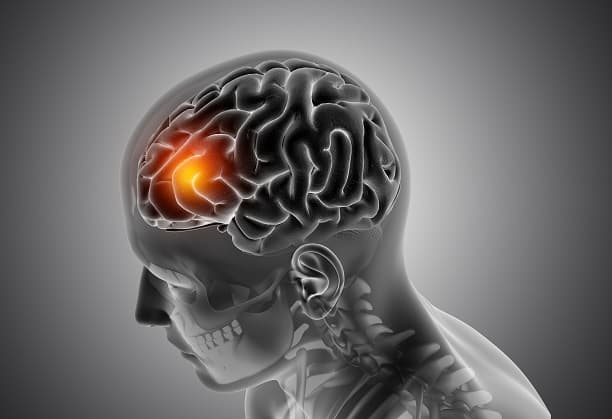
Whole Tumour Histology and Spatial transcriptomics for brain tumours in the Indian population
This project leverages whole tumour histology and spatial transcriptomics to study brain tumours in the Indian population, generating deeper insights into tumour architecture, molecular diversity, and disease progression to enable improved diagnosis and treatment strategies.
By: Prof. Mohanshankar Sivaprakasam
Cause: Healthcare
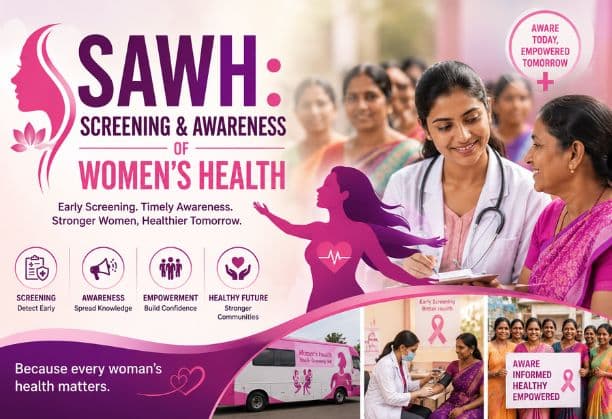
Concept Note on SAWH: Screening & Awareness of Women's Health
Women's health outcomes often depend on timely awareness, regular screening, and access to preventive healthcare services. The Screening & Awareness of Women's Health (SAWH) initiative aims to bridge these gaps by promoting early detection, health education, and community outreach. Through awareness campaigns and accessible screening programmes, the initiative seeks to empower women to take charge of their health, encourage preventive care, and facilitate timely medical intervention, ultimately contributing to healthier communities and improved quality of life.
By: Prof. Madhulika Dixit

A wireless high density EEG System for mobile neuroscience research
Conventional EEG systems limit neuroscience research to controlled laboratory settings. This project aims to develop an indigenous wireless high-density EEG system that enables accurate brain signal monitoring in real-world environments, advancing neuroscience research, clinical applications, and neurotechnology innovation.
By: Prof. Manish Anand & Sujatha Srinivasan
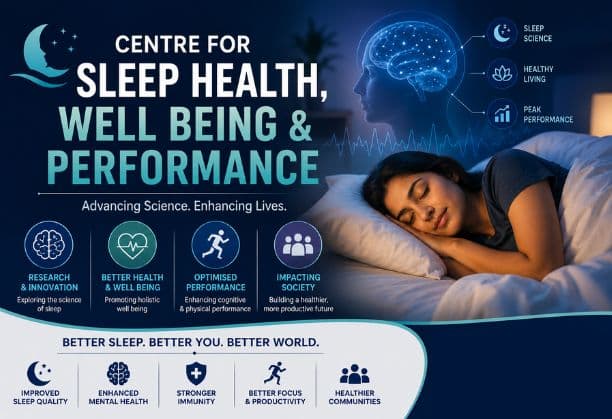
Centre for Sleep Health, Well being & Performance
Quality sleep is essential for physical health, mental well-being, and optimal performance, yet sleep disorders often go undiagnosed. The Centre for Sleep Health, Well-being & Performance focuses on research, innovation, and awareness to improve sleep health and enhance overall quality of life.
By: Prof. SarathI

Developing a digital twin for managing Polycystic Ovary Syndrome (PCOS) in India
Polycystic Ovary Syndrome (PCOS) affects millions of women, yet personalized management remains a challenge. This project aims to develop a digital twin for PCOS, enabling data-driven, individualized care to support early intervention, better treatment decisions, and improved health outcomes.
By: Prof. Nirav Bhatt & Madhulika Dixit

Establishment of the FAST Lab - Food & Supplement Testing Laboratory
IIT Madras proposes the FAST Lab, a Food and Supplement Testing Laboratory under its Centre of Excellence on Sports Science and Analytics, to serve as India's first testing and certification facility for sports nutrition products and functional foods. India has no independent facility focused on athlete nutrition, leaving athletes exposed to contamination, adulteration and inadvertent doping. It will screen for WADA-prohibited substances, contaminants, heavy metals and microbiological risk, and award a Tested and Verified by IIT Madras mark.
By: Prof. Mahesh Panchagnula
Cause: Healthcare

Centre for Women's & Child's Health
IIT Madras proposes a Centre for Women's and Child Health covering three life stages, in a country recording 97 maternal deaths per 100,000 live births, 20 neonatal deaths per 1,000, and high-risk pregnancies in 30% of cases. The young-age programme covers fetal cardiac ultrasound AI, digital twins of abnormal fetal hearts, video-based psychosis pre-screening and a fortified salt trial; the middle-age programme builds a breast cancer precision oncology platform; the elderly programme develops normative musculoskeletal and breast MRI atlases.
By: Prof. Pradeeba Sridhar
Cause: Healthcare
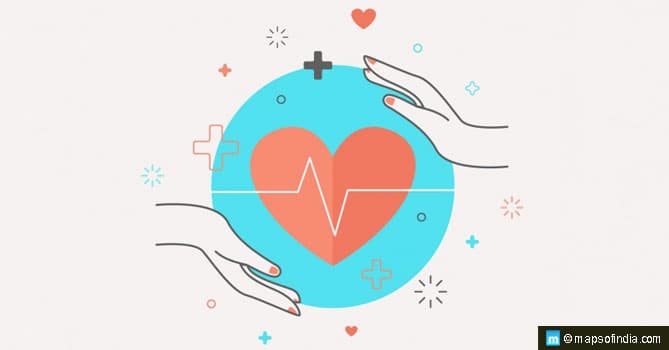
Development of a point-of-care device for simultaneous estimation of haemoglobin & micronutrients from capillary blood using microfluidic technology
IIT Madras proposes a microfluidic point-of-care device that estimates haemoglobin, ferritin, vitamin B12 and folate from under 50 microlitres of blood taken by finger prick. Anaemia affects nearly half of India's women of reproductive age, yet portable haemoglobinometers reveal nothing about the underlying deficiency, and laboratory assays need venous samples and trained staff. A disposable cartridge combining passive capillary flow, plasma separation, optical detection and electrochemical immunosensors will return results in 10 to 15 minutes.
By: Prof. Pradeeba Sridhar
Cause: Healthcare
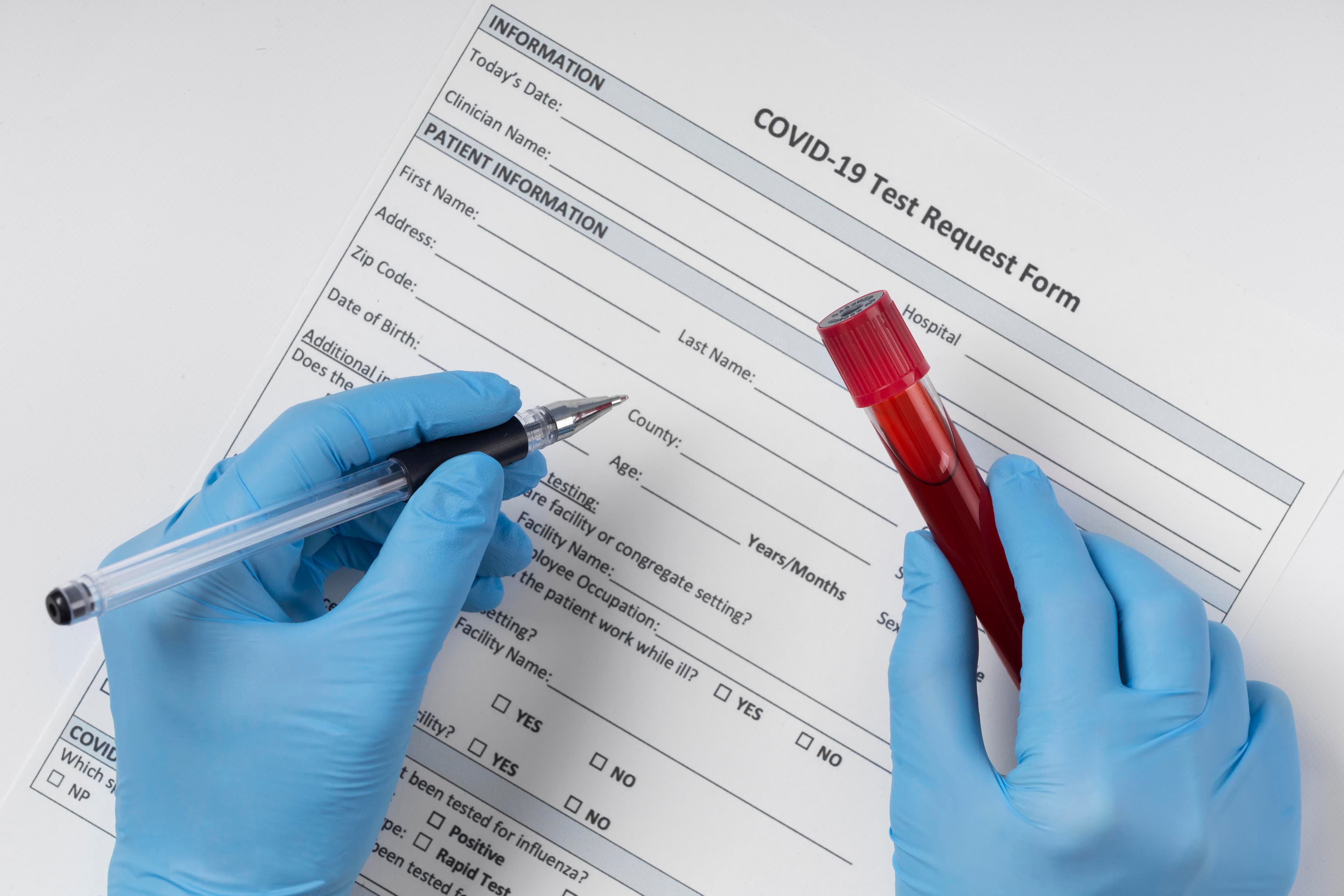
Ocu-HB vision : A non-invasive AI-Based Tool for Anaemia Screening
IIT Madras proposes Ocu-Hb Vision, a smartphone application that estimates haemoglobin from images of the inner eyelid, turning the long-taught clinical sign of conjunctival pallor into a measurable value. Haemoglobin estimation still requires a blood test, and fear of needle pricks discourages participation in screening camps, so mild and moderate anaemia often go unnoticed. Combining Vision Transformer segmentation, diffusion-based lighting normalization and short video analysis, it targets a mean absolute error below 1 g/dL and works offline.
By: Prof. Pradeeba Sridhar
Cause: Healthcare

Precision Anaemia and Reproductive Health Initiative for Adolescent Girls and Women - A Community-Based Screening and Early Prevention Program
IIT Madras proposes a community-based screening and prevention programme for 250 adolescent girls and women, examining anaemia and iron deficiency in ovulation timing and reproductive function. Haemoglobin alone does not reflect iron status, and many women present with low ferritin, fatigue, menstrual irregularities and hormonal imbalance. Over 18 months the study combines iron and micronutrient panels, hormonal profiling, validated stress, fatigue and sleep scales, wearable monitoring and four months of urine LH ovulation tracking.
By: Prof. Pradeeba Sridhar
Cause: Healthcare
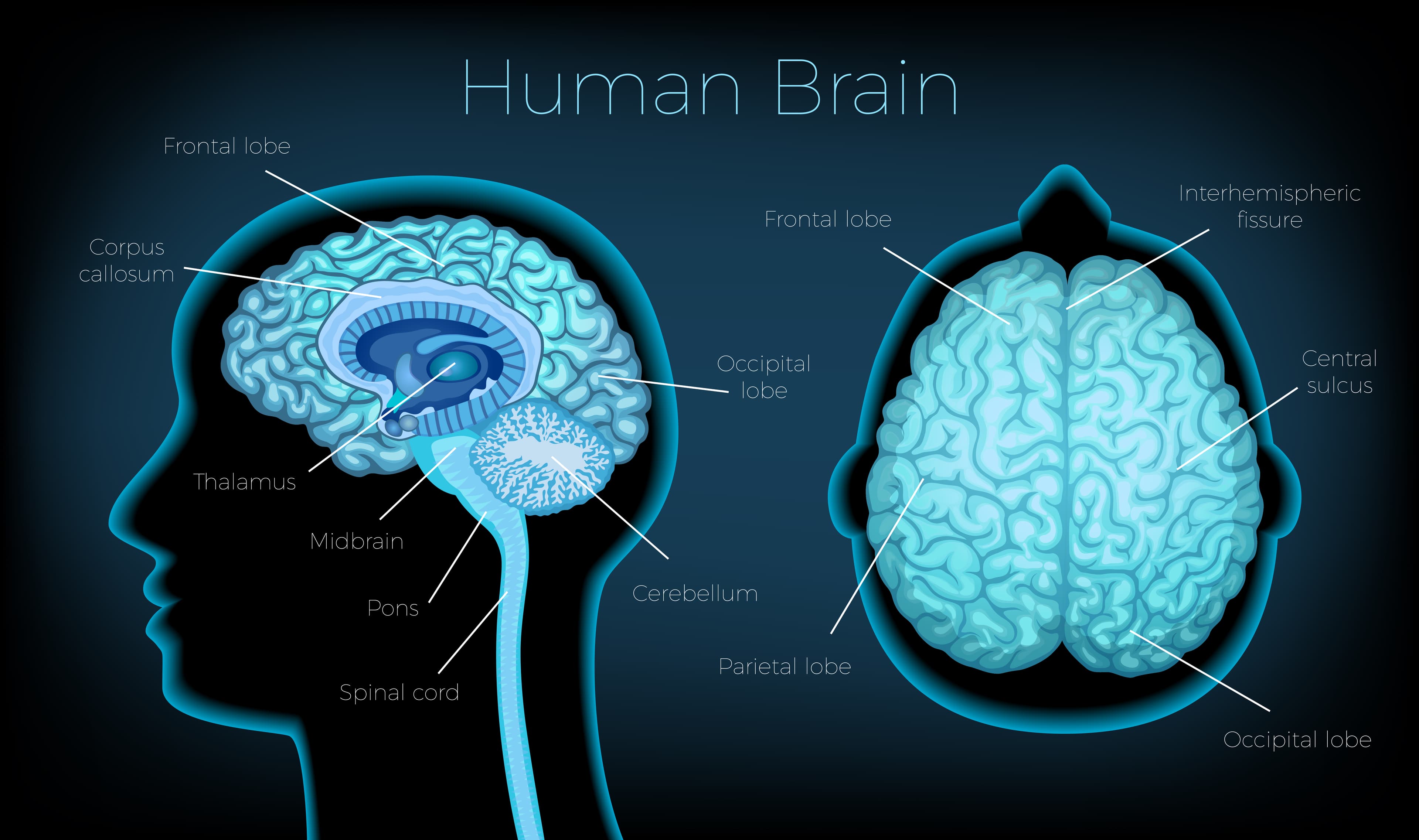
Proposal for supporting human brain imaging at brain centre
IIT Madras seeks support to image whole human brains at cellular resolution at its Brain Centre, the first facility globally to do so at this scale. Each adult brain is processed into around 10,000 slices of 20 microns, yielding petabyte-scale digital volumes on a computing platform built with NVIDIA. More than 150 brains have been collected from across India and over 100 digitized, including 50+ fetal brains, feeding the world's first open-source atlas of human brain data across diverse ages and neurological conditions.
By: Prof. Mohanasankar Sivaprakasam
Cause: Healthcare
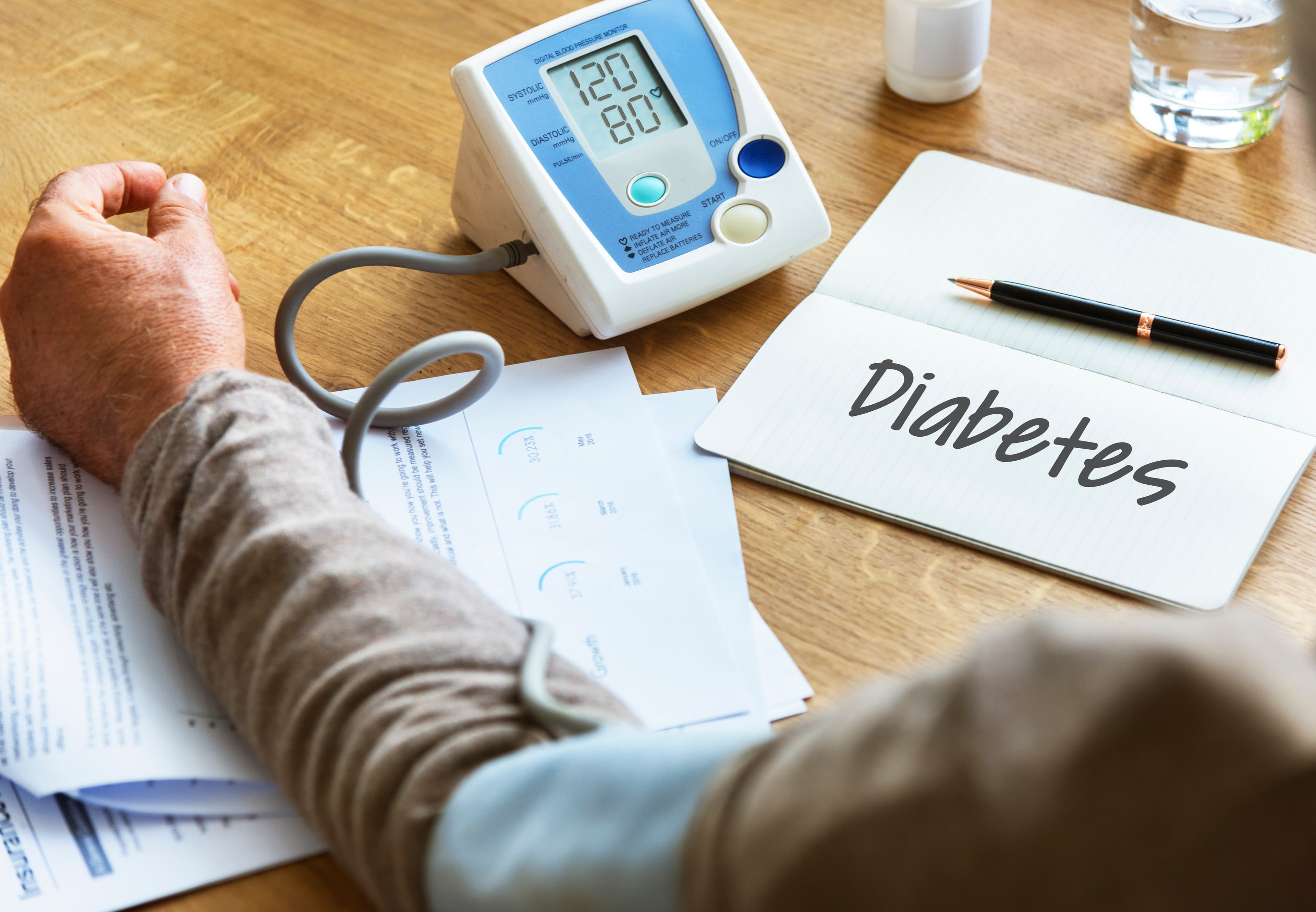
Discovery of functional genetic variants as novel early predictors of diabetes
IIT Madras proposes to identify functional genetic variants in candidate genes in Indian populations and establish their causal role in disease, so that diabetes can be caught at the pre-diabetes stage. About 10% of adults worldwide, roughly 500 million people, live with diabetes, and almost half are unaware of it, so by the time they are diagnosed they may already have kidney, retinal or cardiac damage. Prevalence is higher in South Asians than in people of European ancestry, and Indian genetic make-up is likely to contribute.
By: Prof. Nitish Mahapatra
Cause: Healthcare
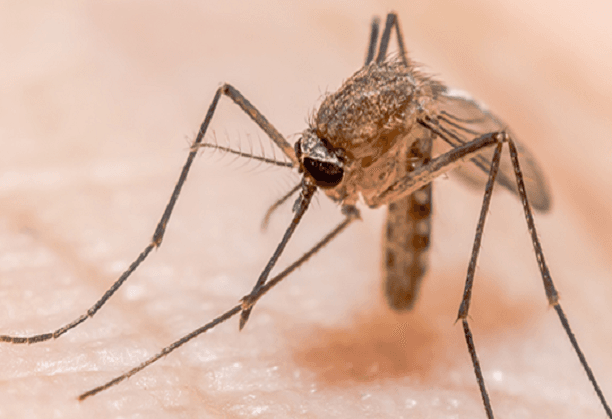
Identification of novel low-cost anti-malarials from viola odorata (Banafsha), an Indian medicinal plant used in AYUSH, against the artemisinin-resistant Plasmodium falciparum
This CSR-ready project screens phytochemical extracts of Viola odorata, an Ayush-recognised medicinal plant, to identify new anti-malarial compounds effective against artemisinin-resistant Plasmodium falciparum. Through proteomics, bioactivity comparison, and biomass optimisation, the research aims to deliver affordable, plant-derived therapies that advance global malaria control and SDG targets. Corporate partners can back high-impact infectious disease innovation rooted in India's traditional knowledge systems.
By: Prof. Smita Srivastava
Cause: Healthcare
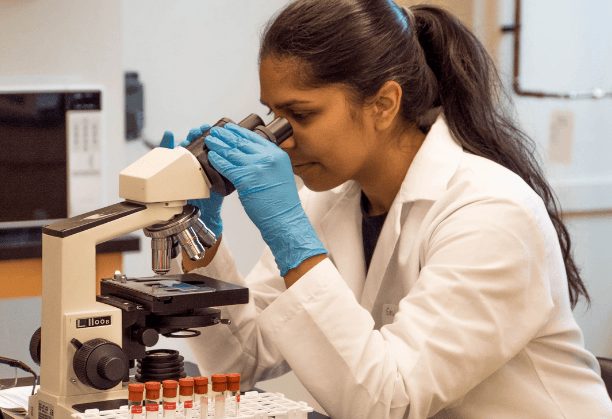
Patient specific maxillofacial implants for mucormycosis (black fungus) by 3D printing
This CSR-ready project develops automated design algorithms and indigenous alloy-based 3D printing workflows to produce personalised maxillofacial implants for mucormycosis survivors. By offering free, high-quality implants along with surgical protocols, rehabilitation, and psychological support, the initiative restores patients' ability to eat, speak, and re-enter society with confidence. Corporate partners can back a flagship Make-in-India healthcare program that delivers life-changing impact for thousands of low-income patients.
By: Prof. Murugaiyan Amirthalingam
Cause: Healthcare

Proposal for mobile medical device calibration facility
This CSR-ready project sets up an ISO/IEC 17025:2017-accredited mobile facility that calibrates medical devices on-site in hospitals and clinics, including those in rural areas. By providing accredited testing, in-service checks, and staff training, it strengthens equipment reliability, patient safety, and regulatory compliance. Corporate partners can improve healthcare quality at scale while advancing SDG 3 on Good Health and Well-being.
By: Prof. Anbarasu Manivannan
Cause: Healthcare

A sustainable framework for enhanced maternal health and child nutrition in rural India
This CSR-ready project builds a sustainable digital framework for maternal health and child nutrition in rural India by combining IoT devices, AI-driven analytics, and telemedicine platforms. It enhances access to timely care, real-time health monitoring, and efficient medicine delivery, including drone-based logistics for remote villages. Corporate partners can reduce maternal and infant mortality while empowering local health workers and communities with data-informed decision-making.
By: Prof. Nargis Pervin
Co-PI: Prof. Arshinder Kaur
Cause: Healthcare
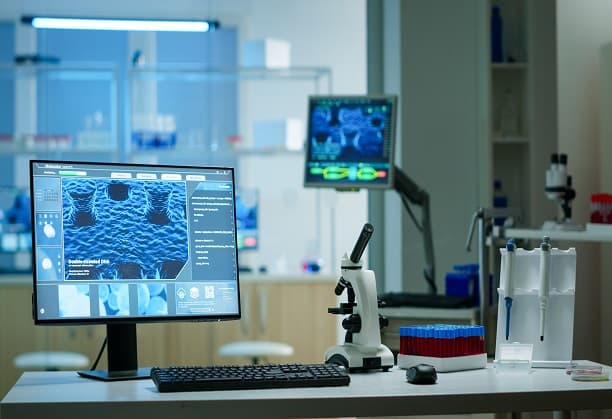
Ultra-precision manufacturing of biomedical devices/implants (Broken down into smaller proposal as per our feedback)
This CSR-ready project develops high-precision microfluidic devices for pathogen detection, organ-on-chip platforms for blood ultra-purification, and advanced bio-implant surfaces. By also creating a digital twin of the kidney, it enables better diagnosis, treatment planning, and patient education for renal diseases. Corporate partners can catalyse next-generation medical manufacturing in India while expanding access to sophisticated yet affordable devices.
By: Prof. GL Samuel
Cause: Healthcare
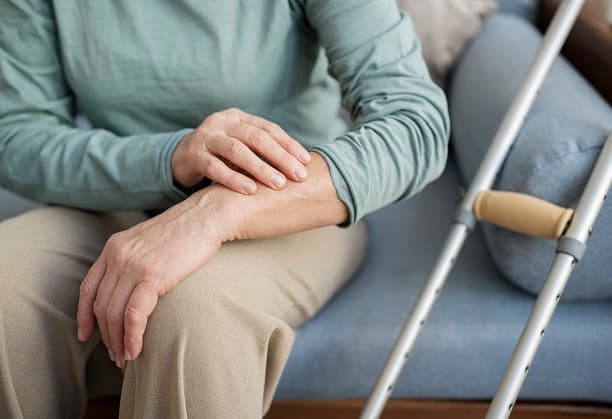
Digital twin-based therapeutics for neurodegenerative diseases (Parkinsons & Alzheimer)
This CSR-ready project builds digital twin models for Parkinson's and Alzheimer's disease, enabling deep brain simulation, personalised diagnostics, and treatment optimisation. It also develops QUADis-PD, a unified diagnostic system for Parkinson's, and "Yaad Yaar," an AI virtual assistant that supports memory and daily functioning for Alzheimer's patients. Corporate partners can pioneer advanced neurotechnology that improves quality of life for ageing populations in India.
By: Prof. V Srinivasa Chakravarthy
Cause: Healthcare
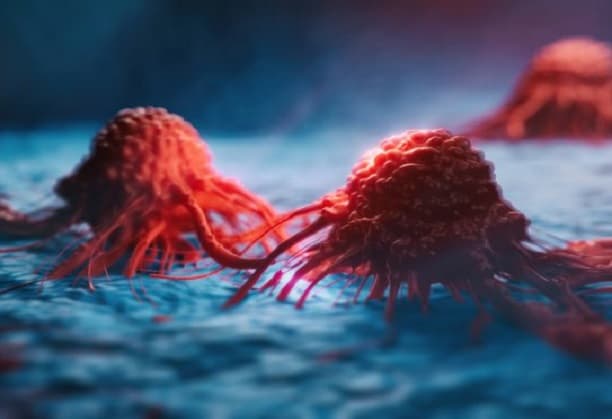
Simultaneous delivery of multiple chemotherapeutic agents at specific tumor sites through engineerable nanovesicles (Equipment)
This CSR-ready project designs engineerable AOT-based nanovesicles that can encapsulate both hydrophilic and hydrophobic cancer drugs for simultaneous delivery to tumours. By combining established chemotherapeutic agents with chemosensitizers in a single, targeted nano-carrier, the platform aims to enhance efficacy while minimising systemic toxicity. Corporate partners can drive next-generation oncology solutions that align with precision medicine and sustainable healthcare goals.
By: Prof. Sanjib Senapati
Cause: Healthcare
Development of a narrow-banded imaging in predicting the malignant potential of oral lesions in comparison with histopathological examination in a tertiary hospital in South India
This CSR-ready project develops an affordable, portable narrow band imaging device to visualise and categorise suspicious oral cavity lesions in outpatient and community settings. By benchmarking its diagnostic accuracy against histopathology and building a practical classification system, the initiative enables early detection and triaging in rural, semi-urban, and urban public health centres. Corporate partners can significantly reduce tobacco-related oral cancer mortality through scalable screening technology.
By: Prof. Sivarama Krishnan
Cause: Healthcare

Development of optimal brain stimulation protocols for stroke recovery using a digital twin
This CSR-ready project creates an integrative digital twin that links brain dynamics with behaviour to design optimal stimulation strategies for stroke recovery. By modelling EEG responses, cognitive and motor functions, and transcranial magnetic stimulation effects, it enables personalised rehab programs delivered through scalable technologies such as mobile games and neurofeedback systems. Corporate partners can accelerate advanced neurorehabilitation solutions that restore independence and quality of life.
By: Prof. V Srinivasa Chakravarthy
Cause: Healthcare
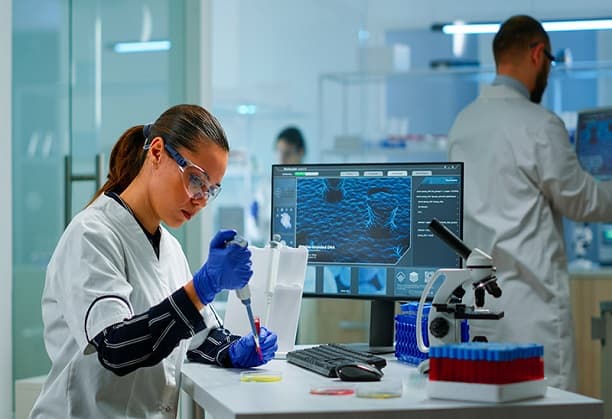
Concept Note on Skill Enhancement for medical diagnostic technicians
This CSR-ready project offers intensive lab training for DMLT, nursing, and paramedical diploma students in advanced diagnostic techniques such as PCR and ELISA, along with data analysis and regulatory best practices. By addressing the acute shortage of skilled lab technicians in India's rapidly growing diagnostics sector, the initiative strengthens healthcare delivery nationwide. Corporate partners can build employable talent pipelines while advancing public health outcomes.
By: Prof. Madhulika Dixit
Cause: Healthcare
Data Collection and AI/ML based model and software development to boost rapid detection and classification of lung diseases
This CSR-ready project builds a scalable AI platform that analyses cough sounds and mobile X-ray images to detect TB and other lung diseases quickly and accurately. Using a data-centric approach and partnerships with hospitals, NGOs, and community leaders, it integrates into clinical workflows to support frontline providers in remote areas. Corporate partners can accelerate India's fight against TB while showcasing high-impact deeptech for public health.
By: Prof. Ramji S
Cause: Healthcare

Applying LLMs to generate electronic medical records from clinical notes and medical reports
This CSR-ready project develops a robust application that uses large language models to transcribe and summarise doctors - clinical notes into structured electronic medical records. Piloted across a network of partner hospitals, it creates a rich knowledge base of doctor-patient interactions while reducing documentation time and errors. Corporate partners can advance digital health transformation, data quality, and clinician well-being across India's healthcare systems.
By: Prof. Himanshu Sinha
Cause: Healthcare
Proposal to address the lack of access to medical advice for pregnancies
This CSR-ready project develops a voice-enabled mobile app that uses large language and generative AI models, grounded in expert medical guidelines, to answer pregnancy questions in local languages. The tool offers personalised, private guidance on antenatal care, danger signs, nutrition, and newborn preparation, especially for women with irregular access to clinics. Corporate partners can reduce maternal health disparities while advancing inclusive digital public goods for women.
By: Prof. Himanshu Sinha
Cause: Healthcare
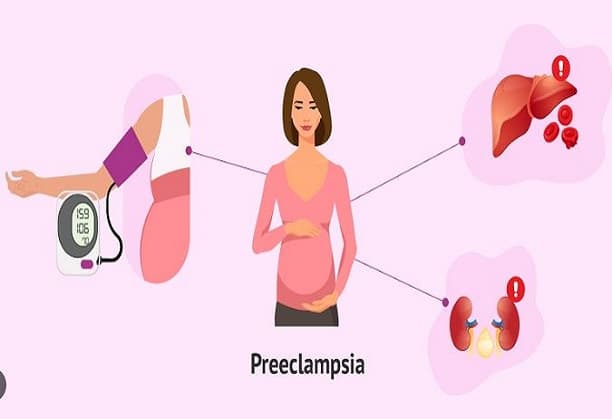
Developing protein biomarkers for late-onset preeclampsia for risk assessment, early detection and personalised management strategies
This CSR-ready project collects longitudinal blood samples and pregnancy outcomes from Indian women to identify protein biomarkers that predict late-onset preeclampsia. By focusing on population-specific genetic and environmental factors, it aims to build screening models that flag high-risk pregnancies early and guide proactive management or timely delivery. Corporate partners can reduce maternal and neonatal complications while advancing precision maternal health research in India.
By: Prof. Himanshu Sinha
Cause: Healthcare
Development of health monitoring system for remotely located structures : Vibration analysis of the rig platforms at ONGC
This CSR-ready project deploys vibration sensors and data acquisition systems on offshore rig platforms to track natural frequencies and detect early signs of fatigue failure. By combining real-time data transfer with numerical modelling using SACS structural analysis software, it enables proactive maintenance of remotely located assets. Corporate partners in energy and infrastructure can enhance safety, reliability, and ESG performance through advanced structural health monitoring.
By: Prof. Sannasiraj
Co-PI: Prof. K Narendran
Cause: Healthcare

Disease Networks
This CSR-ready project constructs a rigorous mathematical framework to map how diseases cluster and interact, focusing on conditions associated with MASLD such as obesity, hypertension, and dyslipidaemia. By revealing hidden connections in complex disease networks, it enables better mechanism discovery, targeted therapeutics, and data-informed health policies. Corporate partners can back cutting-edge systems medicine that enhances precision care and population-level planning in India.
By: Prof. R Krishna Kumar
Cause: Healthcare
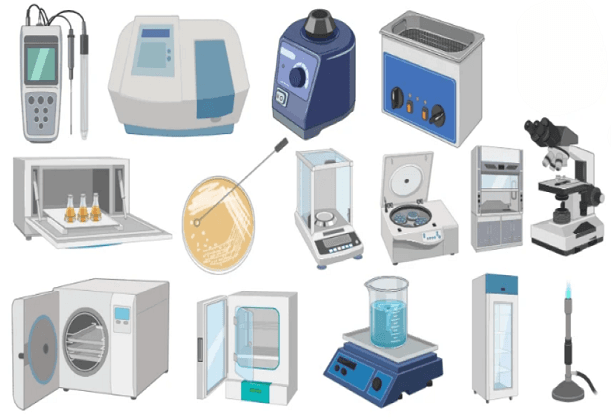
Lab equipment purchase to aid IITM Biotechnology Department in the area of education and scientific studies in healthcare sciences
This CSR-ready project equips the IIT Madras Biotechnology department with a circular dichroism spectrophotometer and advanced HPLC system for structural and purity analysis of biologic drugs. These instruments will support high-quality research and teaching across diabetes, cancer, and autoimmune diseases, while ensuring stable, safe IL-based antibody formulations. Corporate partners can strengthen India's biopharma pipeline and translational capacity through impactful research infrastructure support.
By: Prof. Sanjib Senapati
Cause: Healthcare
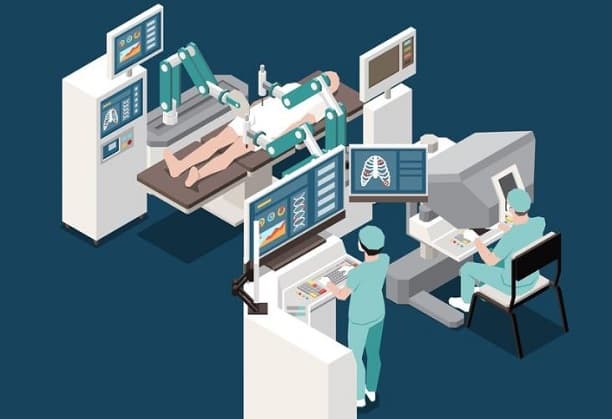
Development of a low-cost robotic surgical training system
This CSR-ready project builds a master-slave teleoperation platform and side-surgical manipulator to simulate robotic procedures for surgeons in training. Deployed across teaching hospitals, the framework enables structured skill evaluation and early exposure to robotic-assisted surgery, ultimately lowering procedure costs and expanding access for underserved patients. Corporate partners can strengthen India's surgical workforce and future-proof healthcare infrastructure.
By: Prof. Nirav Patel
Cause: Healthcare
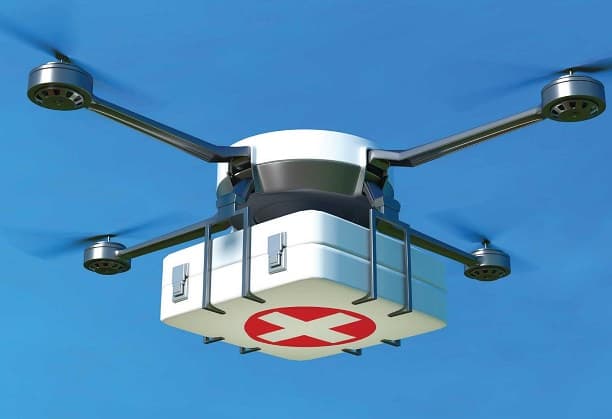
Proposal for enabling efficient & sustainable medical access with drones
This CSR-ready project leverages advanced drone and eVTOL technologies incubated at IIT Madras to create fast, zero-emission corridors for organs and critical medical supplies. By bypassing traffic and terrain barriers, the system can dramatically cut transport times, support time-sensitive transplants, and strengthen emergency preparedness. Corporate partners can pioneer futuristic, climate-friendly healthcare logistics that save lives across urban and remote regions.
By: Prof. Satyanarayana Chakravarthy
Cause: Healthcare
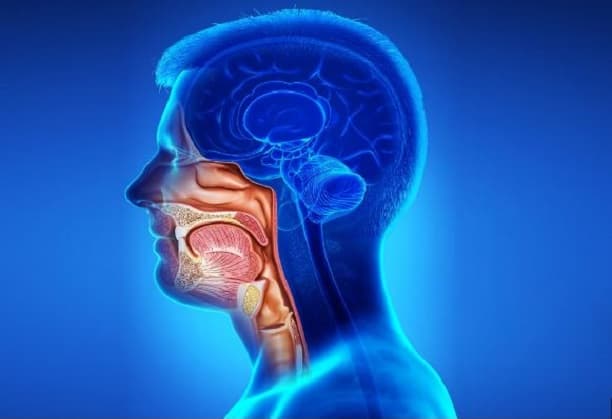
Boosting head and neck cancer survival with hyperthermia activation
This CSR-ready project creates an indigenous clinical hyperthermia device that locally raises tumour temperature to enhance the effectiveness of radiation and chemotherapy for oral and head-neck cancers. Targeted at low and middle-income settings, the adjuvant therapy offers improved outcomes with minimal added toxicity. Corporate partners can reduce India's oral cancer burden by enabling equitable access to advanced yet affordable treatment options.
By: Prof. Kavitha Arunachalam
Cause: Healthcare
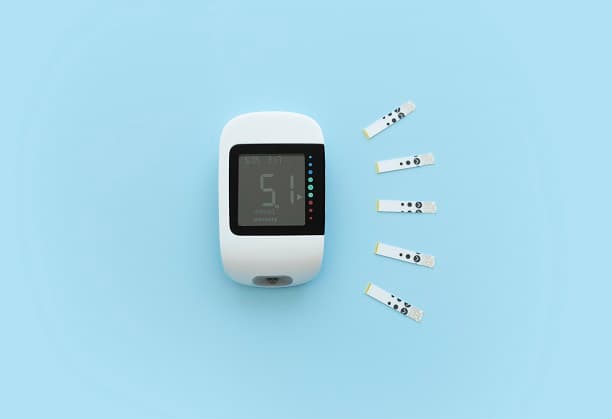
Foundational Research for non-invasive continuous glucose monitoring device development
This CSR-ready project establishes critical lab infrastructure and sensor characterisation capabilities needed to develop non-invasive continuous glucose monitoring prototypes. By exploring state-of-the-art sensing techniques, the team will generate early designs and performance data that de-risk future product development. Corporate partners can catalyse a pipeline of painless, low-cost diabetes monitoring solutions that particularly benefit underserved patients in India.
By: Prof. Boby George
Co-PI: Prof. Anubama Rajan
Cause: Healthcare
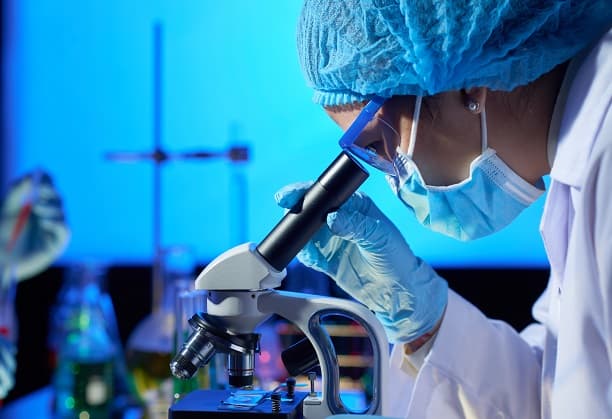
Revolutionising biomedical research: A state-of-the-art high throughput liquid handling platform for transformative research
This CSR-ready project invests in an advanced liquid handling system that uses AI-guided robotics to automate complex experiments across genomics, transcriptomics, and pharmaceutical research. Capable of processing thousands of nanoliter-scale samples with high precision, the platform shortens experimental timelines, boosts data quality, and enables multi-condition studies that uncover new mechanisms of disease. Corporate partners can directly fuel life-saving biomedical breakthroughs while advancing national research capacity.
By: Prof. Himanshu Sinha
Cause: Healthcare
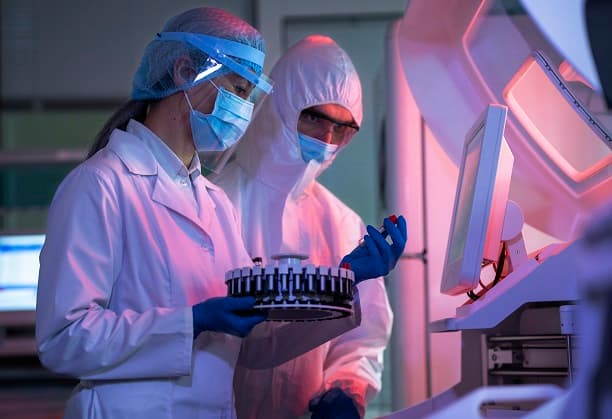
Microfluidics technology for motility-based sperm sorting
This CSR-ready project develops a microfluidic platform that separates highly motile, biologically intact sperm from human samples and validates performance in an IVF setting. By mimicking natural selection processes and avoiding harsh conventional techniques, the system targets better fertilisation rates and healthier offspring. Corporate partners can advance reproductive health technology in India while supporting patentable, industry-ready innovation.
By: Prof. Ashis Kumar Sen
Cause: Healthcare
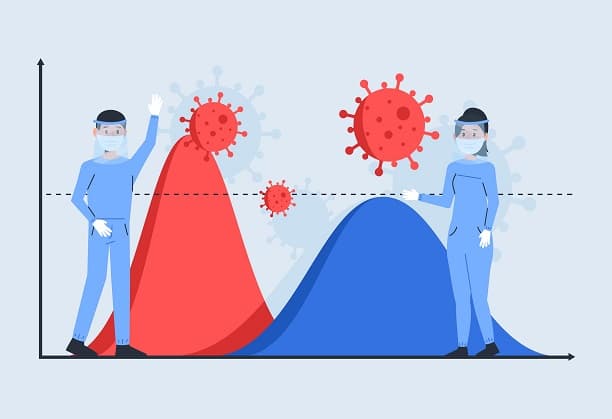
Microfluidic platform for early detection of sepsis
This CSR-ready project develops an integrated microfluidic system for real-time monitoring of multiple blood parameters associated with sepsis in ICU patients. Validated through large clinical trials, it will underpin predictive algorithms and a commercial-ready prototype for continuous bedside use. Corporate partners can dramatically improve survival from sepsis while supporting high-impact, IP-generating diagnostic innovation in India.
By: Prof. Ashis Kumar Sen
Cause: Healthcare
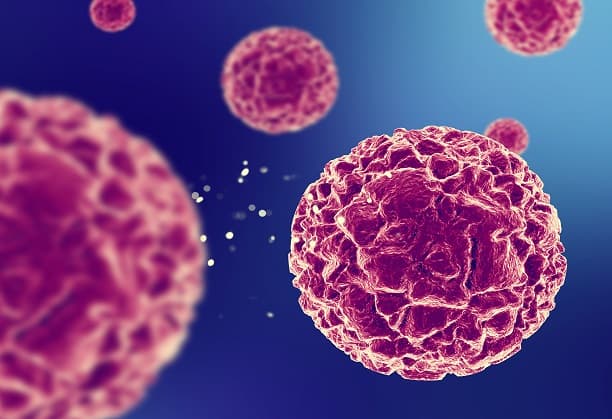
3D Cancer model & drug screening
This CSR-ready project creates a microfluidic system that generates large arrays of breast tumor spheroids with controllable size, cell density, and ECM interactions to better replicate the tumor microenvironment. The platform will test anti-cancer drugs and ultrasound parameters on chemoresponsiveness, delivering a prototype for advanced 3D drug screening. Corporate partners can accelerate discovery of more effective therapies while supporting patentable oncology technology from India.
By: Prof. Ashis Kumar Sen
Cause: Healthcare
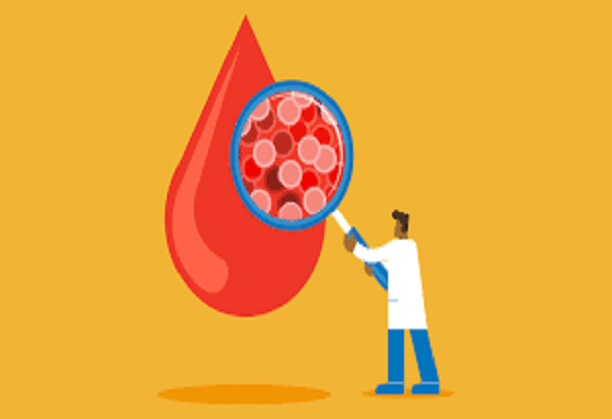
Development of a multiplexed aptamer-based diagnosis kit for early detection of SEPSIS using smart biosensing
This CSR-ready, Indo-Australian collaboration will build a multiplexed aptamer-based biosensing kit that detects novel sepsis biomarkers and uses AI and deep learning to predict onset, progression, and subtypes. The platform will guide personalized therapeutic decisions and set new standards for sepsis classification relevant to both countries. Corporate partners can help reduce sepsis mortality while nurturing global, IP-generating health-tech innovation.
By: Prof. Swathi Sudhakar
Cause: Healthcare

Development of affordable test system to detect uterus abnormalities in rural young women
This CSR-ready project will develop and validate a Histone 4-based lateral flow assay and complementary ELISA tests to detect endometriosis and related uterine abnormalities in young women, particularly in rural settings. By offering a simple, low-cost, noninvasive kit, the initiative aims to overcome underdiagnosis, reduce chronic pain and infertility, and improve women's quality of life. Corporate partners can transform reproductive health outcomes while supporting scalable diagnostic innovation.
By: Prof. Swathi Sudhakar
Cause: Women Empowerment

Concept Note on development of an affordable test system to detect uterus abnormalities in rural young women
This concept-stage CSR project focuses on refining a Histone 4-based lateral flow assay for detecting endometriosis and uterine abnormalities in young women, with a special focus on rural communities. By tuning antibody and nanoparticle parameters and benchmarking against laparoscopic diagnosis, the team aims to maximise assay sensitivity and specificity. Corporate partners can help move this promising idea toward a validated, scalable women's health screening tool.
By: Prof. Swathi Sudhakar
Cause: Women Empowerment
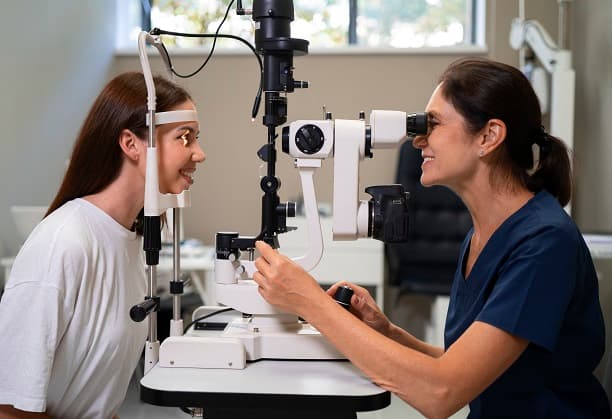
AI-driven solution for mass screening of eye health using smart phone-based fundus image devices
This CSR-ready project develops a deep learning pipeline for analysing smartphone-based fundus images, enabling low-cost mass screening for eye diseases such as glaucoma, diabetic retinopathy, and cataracts. Working with hospitals to build large datasets and deploying edge AI models in partnership with industry, the initiative targets early detection in underserved rural and marginalised communities. Corporate partners can help cut avoidable blindness while advancing accessible MedTech innovation.
By: Prof. S. Nirav Bhatt
Co-PI: Prof. Sridharakumar Narasimhan
Cause: Healthcare
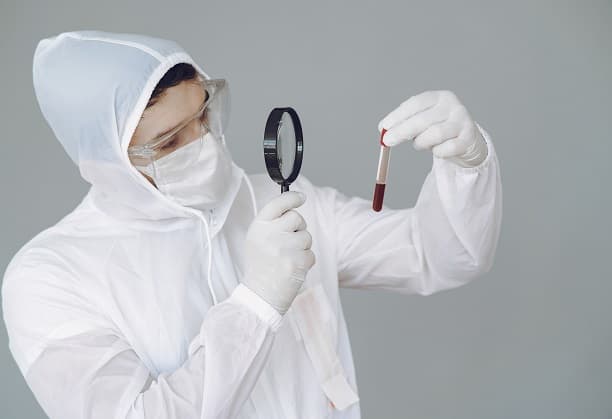
AI-driven automated malaria diagnostics from thick/thin blood images in field
This CSR-ready project creates a deep learning pipeline that analyses thin and thick blood smear images captured via smartphone-based microscopes to automatically diagnose malaria. The system will detect parasite presence, classify human Plasmodium species, estimate life-cycle stages, and quantify parasite load, enabling faster treatment decisions in remote and rural settings. Corporate partners can help overcome diagnostic delays and advance scalable digital tools for malaria control.
By: Prof. S. Nirav Bhatt
Co-PI: Prof. Sridharakumar Narasimhan
Cause: Healthcare

BlockTrack': Blockchain-based Information System for Integrating Healthcare Ecosystem and Tracking Spread of Contagious Diseases - Phase II
This CSR-ready project expands BlockTrack, a blockchain-powered healthcare information system piloted at IITM Institute Hospital, to additional medium-sized hospitals. By securing patient records, enabling Bluetooth-based infection tracking, and supporting doctor and patient apps across web, Android, and iOS, the platform enhances data privacy, operational efficiency, and pandemic readiness. Corporate partners can help demonstrate scalability and set new standards for trustworthy digital health infrastructure.
By: Prof. Prabhu Rajagopal
Cause: Healthcare

Degradation effects of diabetes on oral and systemic health evaluated by a novel customized handheld FT-IR
This CSR-ready project introduces a customised handheld FT-IR device for chairside detection of advanced glycation end products in the coronal dentin of people with type 2 diabetes. By characterising enamel and dentin chemistry and linking AGE accumulation to biomechanical changes, the study will clarify how diabetes damages oral tissues and reflects systemic disease burden. Corporate partners can enable innovative diagnostics that connect dental and metabolic health.
By: Prof. Tiju Thomas
Cause: Healthcare

Determining the prevalence of Fanconi Anemia among Indian population by using molecular diagnostic tools
This CSR-ready project investigates the prevalence of Fanconi anaemia in the Indian population and designs a low-cost molecular diagnostic kit for early screening. By identifying FA carriers, mapping inheritance patterns, and partnering with leading clinicians, the study will generate vital epidemiological data and improve management for affected families. Corporate partners can help reduce delays in diagnosis and expand access to life-saving genetic testing.
By: Prof. Rama S. Verma
Cause: Healthcare
Development of a 'Dual mode' Chemical Sensor for Monitoring the Redox Status of Human Blood Plasma or Cells with Potential Use in the Early Detection of SEPSIS
This CSR-ready project develops a dual-mode chemical sensor that monitors blood plasma or cell redox status to enable early detection of sepsis, a major cause of mortality among hospitalised and immunocompromised patients. By designing ROS- and H2S-sensitive probes, validating analytical methods, and analysing clinical samples, the team will build predictive models for timely diagnosis. Corporate partners can help deliver a versatile redox-sensing platform with applications across sepsis and other chronic inflammatory diseases.
By: Prof. Muraleedharan K. M
Cause: Healthcare

Early detection of Fetal Congenital Heart Disease
This CSR-ready project develops a machine-learning software tool that analyses fetal ultrasound and Doppler data to detect congenital heart disease at the earliest stages. Designed for use by non-expert sonographers, including in rural and resource-limited settings, the system will flag high-risk pregnancies for timely referral to specialist care and support research into CHD risk factors. Corporate partners can help reduce infant mortality in India through scalable, AI-enabled prenatal screening.
By: Prof. K. Arul Prakash
Cause: Healthcare
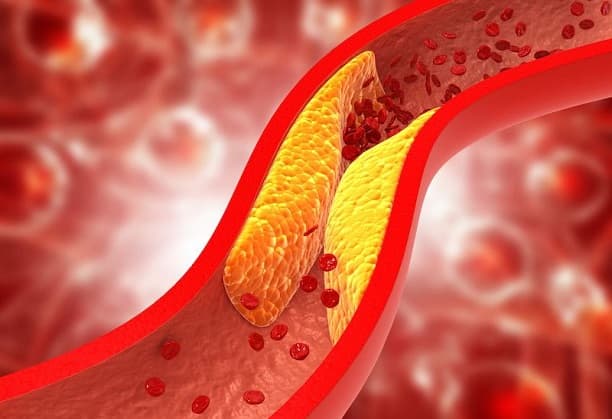
Evaluation of Ribonucleic Acid as a Novel Cholesterol-lowering Agent
This CSR-ready project evaluates microRNA-27a as an innovative cholesterol-lowering therapy, developing a chemically stabilised miR-27a mimic and liposome-based delivery system in preclinical models. By assessing effects on blood cholesterol, liver safety, heart function, and arterial plaques, the study aims to create an alternative to statins with fewer side effects. Corporate partners can help advance next-generation RNA therapeutics for cardiovascular disease prevention worldwide.
By: Prof. Nitish R. Mahapatra
Cause: Healthcare
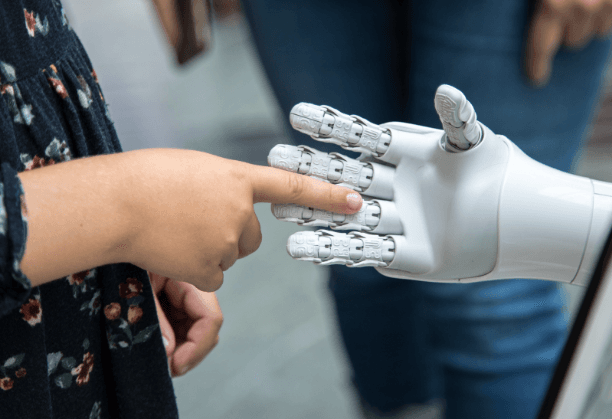
A Robotic Device for stroke rehabilitation with bio-signal based progress monitoring system
This CSR-ready project develops a domestically manufactured, bimanual robotic manipulandum with active force control and integrated EEG-EMG monitoring to support upper-limb rehabilitation after stroke. Paired with user-friendly software and game-based therapy, the system will deliver objective progress tracking and accessible, high-quality rehab in Indian hospitals and clinics. Corporate partners can help reduce disability, support Atma Nirbhar Bharat goals, and advance SDG3 and SDG10 through affordable neurorehabilitation technology.
By: Prof. Varadhan S.K.M
Cause: Healthcare

Molecular Dynamics Analysis on Alzheimer's Patients' Brains
This CSR-ready project uses molecular dynamics simulations to decode how sialic acid and related gangliosides influence amyloid-beta aggregation in Alzheimer's disease. By modelling binding sites, interaction strengths, and plaque formation mechanisms, the team will identify glycan-based targets for therapies that inhibit aggregation. Corporate partners can help advance cutting-edge computational neuroscience aimed at alleviating the burden of Alzheimer's on patients and families.
By: Prof. M Hamsa Priya
Cause: Healthcare

Preparation of a scholarly Monograph/Compendium on the physico-bio-chemical properties of selected 'Alternative medicines' ( Siddha and Ayurvedic drugs)
This CSR-ready project compiles rigorous physico-bio-chemical profiles of selected Siddha and Ayurvedic formulations, with a focus on metal-based preparations. Using advanced analytical techniques, the team will generate quality benchmarks and publish an open-access monograph that aids pharmacopoeial standards, regulators, and practitioners. Corporate partners can help enhance the scientific credibility, safety, and international visibility of India's traditional medicine systems.
By: Prof. T S Chandra
Cause: Healthcare

Sustainable production of plant-derived anti-cancer drug lead Camptothecin via microbial fermentation route
This CSR-ready project tackles shortages of the vital anti-cancer drug camptothecin by replacing plant extraction with a sustainable microbial fermentation platform based on Alternaria burnsii. By engineering strains, refining bioreactor conditions, and optimising extraction, the team will create an eco-friendly, scalable, and cost-effective CPT production route. Corporate partners can help safeguard biodiversity while ensuring reliable access to this frontline oncology drug.
By: Prof. Smita Srivastava
Cause: Healthcare

Biomedical characterization and rural implementation of Ayurvedic treatments
This CSR-ready project scientifically evaluates the Ayurvedic therapy Shirodhara using force measurements and EEG, while simultaneously promoting Ayurveda in rural communities through health camps, herbal plantations, and digital tools for practitioners. Evidence generated will clarify benefits for immunity, women's and child health, geriatrics, and chronic conditions. Corporate partners can help bridge traditional knowledge with modern science and expand holistic care options in underserved regions.
By: Prof. C. Lakshmana Rao
Cause: Healthcare

Injectable peptide-based hydrogel formulation to reverse cartilage degeneration in Arthritis Patients
This CSR-ready dual project develops two complementary biomaterials: an injectable peptide-based hydrogel that regenerates damaged cartilage and eases pain in arthritis, and a natural light-responsive sealant that ensures rapid dural closure after cranial or spinal surgery. Both systems emphasise biocompatibility, mechanical strength, and degradability. Corporate partners can help transform outcomes for patients with joint degeneration and neurosurgical injuries while reducing healthcare costs.
By: Prof. Greeshma Thrivikraman
Cause: Healthcare
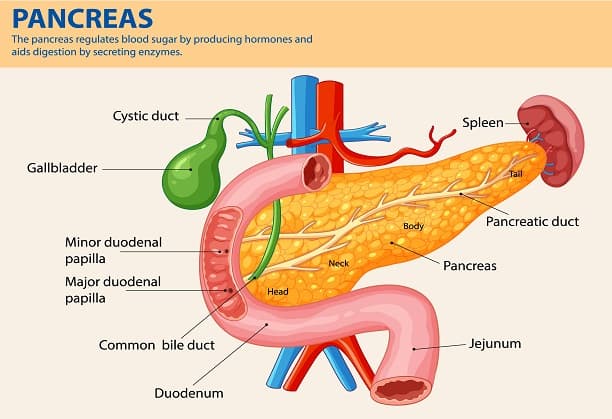
Multi-omic analysis to identify the mutational landscape, biomarkers and novel drug targets for Pancreatic cancer of Indian cohorts
Pancreatic cancer is a lethal disease with extremely poor survival rates due to lack of effective early detection methods and targeted treatments, particularly for Indian populations. This IIT Madras project performs comprehensive multi-omic analysis including whole-exome and transcriptome sequencing on 50 pancreatic cancer samples from Indian cohorts with matched normal tissue. By identifying population-specific biomarkers through differential expression profiling and mutational landscape analysis, and selecting deregulated genes for novel drug targets, this research has potential to transform pancreatic cancer management in India through early detection and personalized therapeutics, significantly improving survival rates and fostering international cancer research collaborations.
By: Prof. S. Mahalingam
Cause: Healthcare
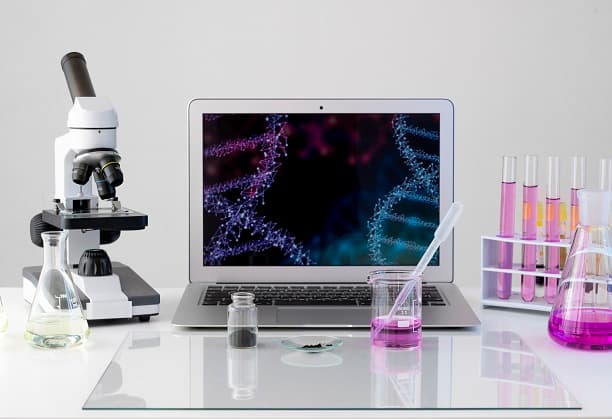
Community screening of cervical cancer in slum areas of coastal Tamil Nadu with self-sampling device and on spot DNA detection device
Cervical cancer screening remains critically inaccessible in coastal Tamil Nadu's slum areas where awareness is limited and healthcare programs rarely reach. This IIT Madras project addresses this gap by bringing screening directly to underprivileged women's doorsteps through innovative self-sampling and on-spot DNA detection devices. By enrolling women into screening camps, determining high-risk HPV prevalence, and validating self-sampling and indigenous DNA detection technologies in a large-scale field study of 2,000 women aged 20-65, this initiative aims to increase early detection rates, save lives during critical window periods, reduce societal taboos, and improve healthcare outcomes for vulnerable coastal communities.
By: Prof. Rayala Suresh Kumar
Cause: Healthcare

Development of a point-of-care device to detect chemical contaminants in liquid foods
Food adulteration poses serious threats to public health, especially in developing countries like India where detection methods remain expensive and inaccessible. This IIT Madras project develops a low-cost, simple-to-use paper-based 3D microfluidic device capable of detecting multiple adulterants instantly in liquid foods, with initial focus on milk. By creating a user-friendly gadget that improves manufacturing methods, enhances detection techniques, and provides comprehensive qualitative and quantitative data on contaminants, this innovation can significantly impact food safety monitoring, making detection accessible in low-resource settings while protecting consumers, schools, hotels, laboratories, and food manufacturers.
By: Prof. Pallab Sinha Mahapatra
Cause: Healthcare
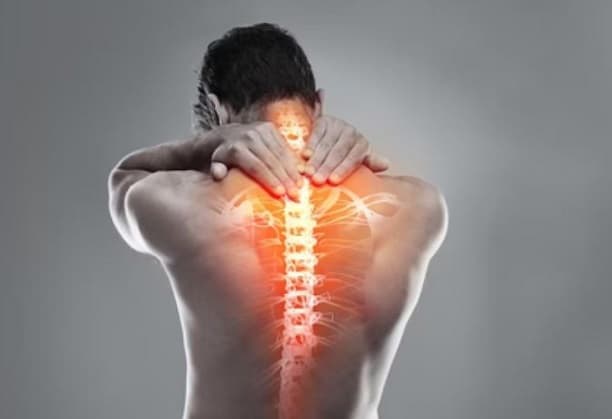
A light-responsive surgical sealant for rapid dural closure after cranial and spine injury.
This IIT Madras project develops a natural, light-responsive hydrogel surgical sealant designed to provide rapid, watertight dural closure during cranial and spinal surgeries. With more than 310 million major surgeries performed annually worldwide, the need for safer and faster sealing solutions is critical. The proposed hydrogel offers excellent biocompatibility, mechanical strength, ease of preparation, and biodegradability - helping prevent CSF leakage and improving patient outcomes while reducing surgical complications.
By: Prof. Greeshma Thrivikraman
Cause: Healthcare

Developing epilepsy models for personalized therapy and drug screening
Epilepsy affects millions worldwide, yet treatment responses vary widely due to genetic differences among patients. This IIT Madras project builds a cutting-edge zebrafish-based epilepsy research facility to create mutant lines that mimic patient-specific conditions and screen drugs for precise therapeutic response. By generating personalized epilepsy models, the project empowers clinicians, researchers, and pharma companies to develop targeted treatments, accelerating breakthrough discoveries and transforming long-term patient outcomes.
By: Prof. Amal Kanti Bera
Cause: Healthcare
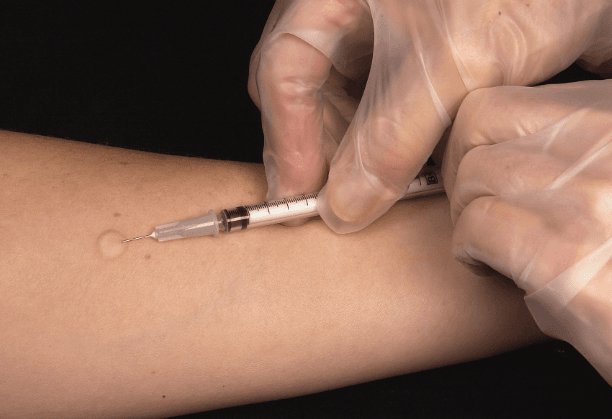
Development of Tuberculosis Screening Technology for Pervasive Rural Health Mission
Tuberculosis remains a leading public health threat in India, with rural communities facing the greatest barriers to early diagnosis. This IIT Madras project aims to develop a user-friendly, antigen-antibody-based TB screening kit designed for primary healthcare workers and low-resource settings. By enabling faster, more sensitive detection and improving access to timely treatment, the technology supports large-scale rural health missions and offers strong CSR potential for organizations seeking measurable public health impact.
By: Prof. Ramakrishnan S
Cause: Healthcare

Development of an Artificial Intelligence Algorithm for the Detection of Intracranial Haemorrhages
Intracranial haemorrhage is one of the most fatal consequences of road accidents in India, with diagnosis often delayed due to limited radiology resources. This IIT Madras project develops a deep-learning algorithm capable of rapidly detecting ICH from CT scans, enhancing early intervention during the crucial "golden hour." By supporting this technology, CSR partners can help improve trauma care, reduce mortality, strengthen low-resource hospitals, and empower medical professionals with advanced AI-driven diagnostic capabilities.
By: Prof. Ganapathy Krishnamurthy
Cause: Healthcare
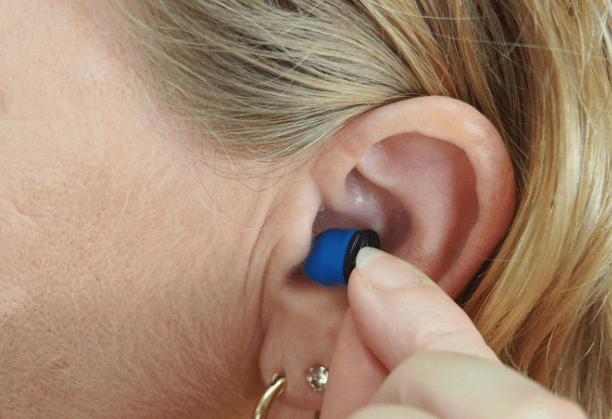
An affordable assistive device enabling audio-to-visual and haptic feedback for the hearing impaired
This IIT Madras project develops an affordable assistive wearable device that converts audio inputs into visual and haptic feedback, enabling hearing-impaired individuals to accurately sense sound direction in everyday environments. By improving situational awareness, safety, and independence, the device empowers users to navigate the world with greater confidence. Its low-cost, portable design ensures accessibility for millions across India making it an impactful and scalable CSR investment in inclusive technology.
By: Prof. Varun Durai SI
Cause: Healthcare

Affordable early diagnosis of pregnancy-induced hypertension
Pregnancy-Induced Hypertension is a major cause of premature labour and maternal-child mortality in India. This IIT Madras project develops an affordable early diagnostic device capable of detecting PIH biomarkers as early as 13 weeks of pregnancy, enabling timely medical intervention and reducing incidence rates by up to 62%. Using a plasmonic fiberoptic absorbance biosensor (P-FAB), the technology aims to bring accessible, scalable, and lifesaving maternal health screening to underserved communities, making it a high-impact CSR opportunity.
By: Prof. Raghavendra Sai VV
Cause: Healthcare
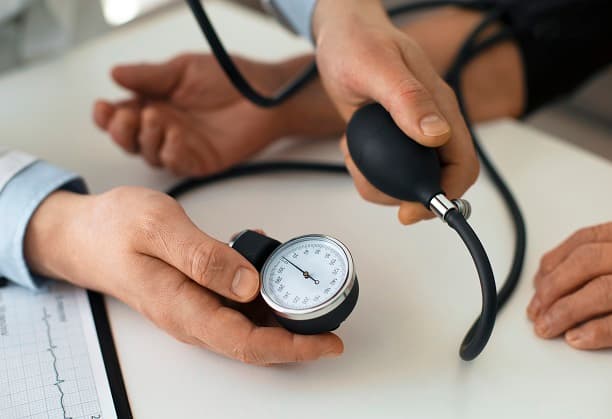
Pressure Sensitive Adhesive-based Flexible Strain Sensor Tape
This project focuses on designing a flexible pressure-sensitive strain sensor tape capable of monitoring human body movements for rehabilitation and assistive applications. The sensor supports paralyzed individuals, people with speech difficulties and users requiring mobility assistance by enabling movement detection, gesture interpretation and activity monitoring. By advancing low-cost, wearable health-tech solutions, the initiative strengthens disability inclusion and contributes to improved independence and quality of life for underserved communities.
By: Prof. Sundara Ramaprabhu
Cause: Healthcare
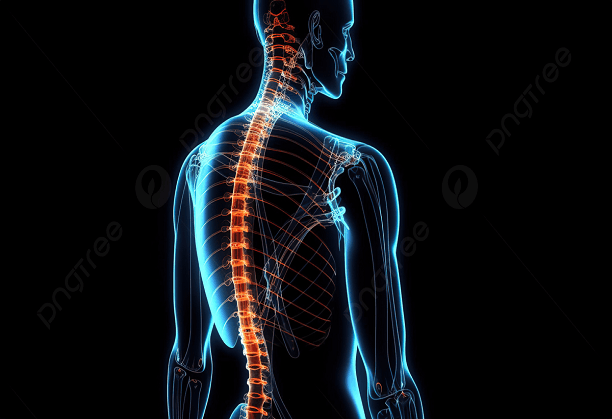
3D-printed patient-specific spine models as preoperative surgical simulators in deformity correction
This CSR-ready project creates affordable 3D-printed, patient-specific spine models that reproduce human bone morphology and biomechanics for deformity correction training. Surgeons will be able to practice complex scoliosis procedures, refine pedicle screw placement, and plan safer operations, particularly where high-end navigation or robotics are unaffordable. Corporate partners can help reduce complications, operating time, and blood loss while enhancing the surgical skills pipeline in resource-limited settings.
By: Prof. Saravana Kumar G
Cause: Healthcare

Development of an effective neuropeptide-based therapeutic for treating anxiety and depression
This CSR-ready project investigates catestatin, a chromogranin AI derived neuropeptide, as a novel therapeutic for anxiety and depressive disorders. By deciphering how catestatin modulates stress hormone pathways and testing intranasal delivery, the team aims to create a non-invasive treatment option and potential prophylactic intervention after trauma. Corporate partners can help move this pre-clinical programme toward Phase-I trials, addressing a major global mental health burden.
By: Prof. Nitish R. Mahapatra
Cause: Healthcare

Genomics, Screening, early detection and novel drug targets towards personalized therapy for Cervical Cancer
This CSR-ready project performs whole genome and transcriptome sequencing of cervical cancer samples from Indian patients to identify biomarkers for early detection, treatment response, and novel drug targets. The resulting India-specific cancer genome database will guide personalized therapies and inform population-level screening and awareness efforts. Corporate partners can help position India within global initiatives such as the International Cancer Genome Consortium while reducing cervical cancer mortality.
By: Prof. S. Mahalingam
Cause: Healthcare

A Metabolomics facility for Natural product research in Cancer and Cardiovascular Disease Management
This IIT Madras project proposes a state-of-the-art metabolomics facility dedicated to natural product research for cancer and cardiovascular disease management, integrating ethnopharmacology, phytochemical analysis, and bioprocess engineering. By generating qualitative and quantitative metabolite profiles of promising anti-cancer and anti-CVD leads, the facility will accelerate active pharmaceutical ingredient development, support translational research, and enable industry-ready collaborations for next-generation therapeutics and evidence-based validation of traditional knowledge.
By: Prof. Smita Srivastava
Cause: Healthcare
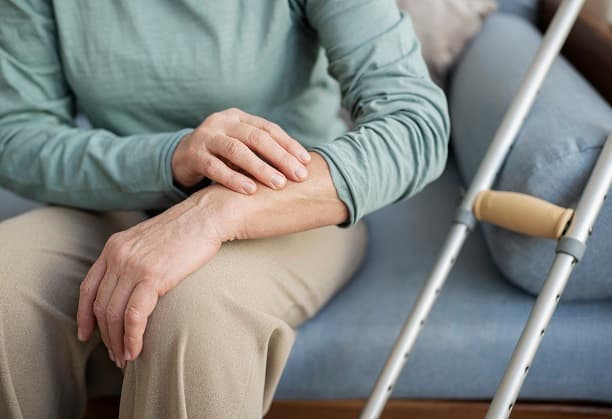
Developing low-cost natural product-based drugs for Parkinson's disease
This groundbreaking CSR project focuses on developing affordable, plant-based natural products to treat Parkinson's Disease, addressing the significant financial burden faced by millions of patients globally, especially those from low-income and economically disadvantaged backgrounds. Led by IIT Madras, the initiative screens a library of polyphenolic compounds for neuroprotective effects using advanced cell line and zebrafish models, with promising formulations tested on PD patients. With a total budget of Rs. 30 Lakhs over 3 years, this project offers CSR partners an opportunity to make transformative impact in accessible healthcare, benefiting individuals exposed to environmental toxins and reducing the cost barrier to critical neurodegenerative disease treatment
By: Prof. Amal Kanti Bera
Cause: Healthcare
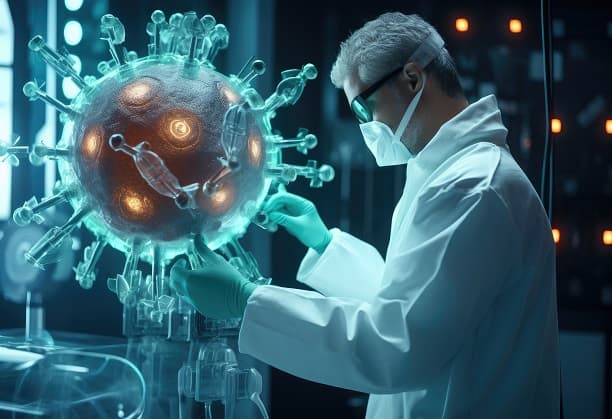
Development of indigenous portable wearable TTF (Tumor Treating Fields) device for treatment of Glioblastomawearable
This pioneering CSR project aims to revolutionize Glioblastoma treatment by developing an indigenous, portable, wearable Tumor Treating Fields (TTF) device that offers targeted and patient-friendly therapy for one of the most aggressive brain tumors. Led by IIT Madras, the initiative addresses the critical gap in affordable and effective Glioblastoma treatment options in India by creating a device modeled on existing systems but optimized for Indian patients with enhanced electrical output, consistency, field directionality, and power efficiency. With a budget of Rs. 1.8 Crores over 3 years, this project promises to improve survival rates, enhance quality of life, minimize collateral damage from traditional therapies, and significantly reduce the financial burden on patients seeking life-saving treatment
By: Prof. Rayala Suresh Kumar
Cause: Healthcare

Establishment of a Computational Cerebro-vascular Research Facility
This transformative CSR project seeks to establish India's first state-of-the-art Computational Cerebro-Vascular Research Facility at IIT Madras, dedicated to advancing healthcare solutions for cerebrovascular diseases through cutting-edge computational technology. The facility will bridge the critical gap in clinical decision-making for cerebro-vascular disease management by enabling real-time patient management, effective clinical decision protocol development, and mechanobiological research using computational fluid dynamics and fluid-structure interactions. In collaboration with leading neurosurgeons and neuroradiologists from premier research hospitals across India, this unique facility will provide scientific derivations and interpretations of brain angiographic data, integrate haemodynamic maps on angiographic data in real-time, and ultimately improve clinical outcomes for patients suffering from cerebrovascular diseases that require highly specialized treatment skills and advanced technology
By: Prof. Prasad Patnaik B.S.V.
Co-PI: Prof. B Jayanand Sudhir
Cause: Healthcare
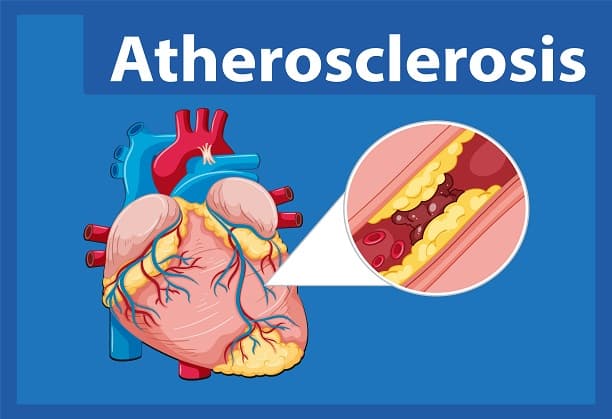
Exploring the Role of Ultrasound Contrast Agents in the Early-Stage Detection of Atherosclerosis
This innovative CSR project focuses on developing indigenous ultrasound contrast agents (UCA) to revolutionize early-stage atherosclerosis detection, offering a minimally invasive and cost-effective alternative to traditional angiograms. Led by IIT Madras, the initiative creates microbubbles encapsulated with lipid or polymer that mimic stenosed artery conditions, enabling enhanced atherosclerosis imaging using commercial ultrasound scanners without requiring animal tissues. With a budget of Rs. 52 Lakhs over 3 years, this project has the potential to significantly reduce healthcare costs, improve patient outcomes, and transform cardiovascular disease prevention by providing accessible diagnostic methodology that could save millions of lives through early detection and intervention
By: Prof. Dhiman Chatterjee
Cause: Healthcare

Stress-Microstructure-Property Relation in Antler Cortical Bone
This pioneering CSR project investigates the stress-microstructure-property relationship in antler cortical bone to unlock insights into nature's unique toughness and mechanical properties, with transformative applications in bio-inspired material development and medical innovation. Led by IIT Madras, the research utilizes advanced CT scans, FEM analysis, micro-indentation testing, and histology to provide comprehensive understanding of how microstructure influences bone strength, leading to the creation of lightweight yet highly resilient structural materials with potential applications in bone grafting, implant design, and biomechanical analysis. With a budget of Rs. 74.22 Lakhs over 3 years, this project will improve physiotherapy practices, benefit osteoporosis and sports medicine, and open doors to broader research areas including the impact of radiation and gravity on bone quality relevant to nuclear energy programs and space missions
By: Prof. Anuradha Banerjee
Cause: Healthcare
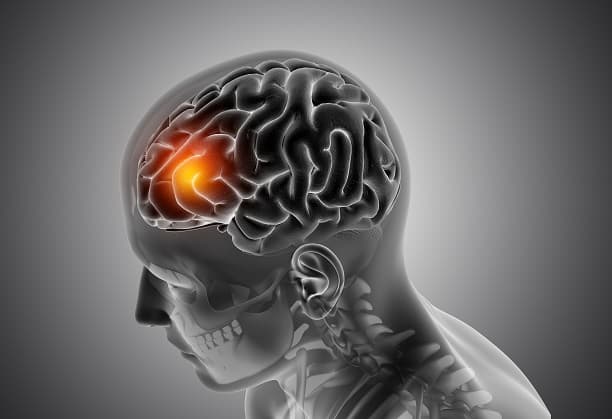
Freeware for Brain Lesion Analysis
By: Prof. Ganapathy Krishnamurthy
Cause: Healthcare
Low-cost rapid detection for Urinary tract infection (UTI) using a novel Lab-on-a-chip device
This critical CSR project addresses the growing global concern of antibiotic resistance by developing a Lab-on-a-Chip device for rapid urinary tract infection detection, enabling quick and cost-effective antibiotic susceptibility testing that leads to timely and targeted antibiotic prescriptions. Led by IIT Madras, the initiative tackles the challenge that current antibiotic susceptibility testing is time-consuming and requires skilled personnel, creating a single-cell-based testing device using graphene-coated chip electrodes for impedance-based detection of bacterial growth that enables faster identification of effective antibiotics. With a budget of Rs. 1.5 Crores over 3 years, this project offers significant impact by reducing the risk of antibiotic-resistant bacteria development, providing potential for on-site testing in primary health centers and rural hospitals, improving patient outcomes, reducing antibiotic misuse, and delivering cost-effective healthcare solutions suitable for rural settings where UTIs are common and contribute to antibiotic resistance in India
By: Prof. Richa Karmakar
Cause: Healthcare
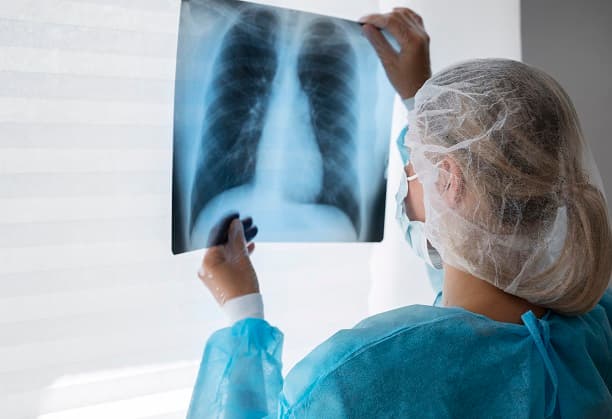
Deep Learning models for automated diagnosis of lung X-ray CT images
This transformative CSR project aims to deploy deep learning models that automate medical image analysis for lung cancer diagnosis, making advanced diagnostic capabilities available to the medical imaging community at large through a free cloud-based platform. Led by IIT Madras, the initiative addresses the time-consuming bottleneck of radiologic analysis where lung CT volumes require lesion segmentation followed by classification into benign and malignant lesions across various lung cancer types, a process that becomes particularly challenging during large studies or pandemics when massive patient populations undergo scanning. By developing automated analysis of lung X-ray CT volumes using deep learning models that assist radiologists in expediting diagnosis, this project will attract large patient populations to clinical centers, improve diagnostic accuracy and speed, and democratize access to cutting-edge AI-powered medical imaging technology for healthcare providers across India
By: Prof. Ganapathy Krishnamurthy
Cause: Healthcare
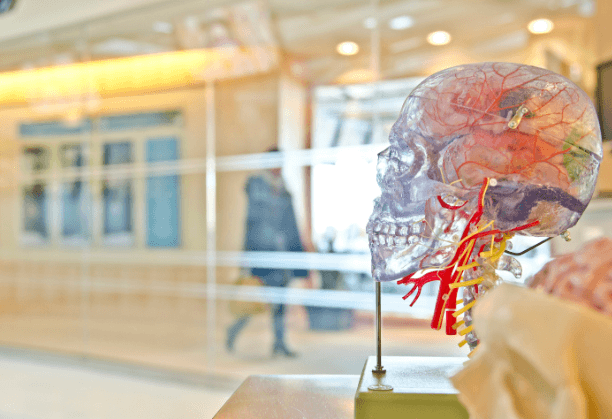
From Superstition to Science: Teaching rural school students about neurological disorders
This pioneering CSR project aims to transform rural health literacy by delivering science-based education about neurological disorders to high school students in rural communities, dispelling deeply rooted myths and superstitions that attribute conditions like hysteria, epilepsy, and other neurological disorders to evil spirits or supernatural entities. Led by IIT Madras, the initiative provides a series of lectures and practical training on neuroscience experiments to create disease models, establishing robust infrastructure for neurological training while empowering students to become ambassadors of knowledge who can dissipate myths and promote scientific understanding within their communities. This transformative educational program offers hands-on training for both students and teachers, addresses the critical issue that superstitious beliefs perpetuate stigma and hinder appropriate medical interventions, and serves as a foundation for future socially relevant projects, training, and research in neuroscience that bridges the gap between rural communities and modern medical understanding
By: Prof. Amal Kanti Bera
Cause: Healthcare
Clinical validation of chemical probes for monitoring redox homeostasis of human blood towards early diagnosis of SEPSIS
This CSR-ready project develops affordable, 3D-printed patient-specific spine models that capture true human bone morphology and biomechanics for deformity correction training. By enabling surgeons to rehearse complex congenital scoliosis procedures, optimise pedicle screw trajectories, and plan safer operations, the models can lower complication rates, operating time, and blood loss. Corporate partners can democratise advanced surgical planning tools and build spine-surgery capacity across low- and middle-income settings.
By: Prof. Muraleedharan KM
Cause: Healthcare