
Open Projects in Centre of Excellence
Explore research and CSR opportunities at
IIT Madras in this domain.
Centre of Excellence
26 proposals
Hydrogen Incubation Centre at IIT Madras
This proposal aims to establish a Hydrogen Incubation Centre to support the development of next-generation clean-energy technologies. The centre will nurture early-stage ideas related to hydrogen storage, high-pressure systems, and transportation pipelines, guiding them toward commercial viability. Through CSR support, the initiative will empower innovators, accelerate green hydrogen development, and strengthen India's clean-energy ecosystem.
By: Prof. Aravind Kumar Chandiran
Cause: CoE

Skill development in Hydrogen domain -CoE establishment
This Centre of Excellence focuses on advancing hydrogen research and innovation while simultaneously developing skilled talent for India's clean-energy transition. The initiative spans technology development, curriculum design, sector-aligned training, and certification to strengthen the hydrogen value chain. CSR partnerships will accelerate both scientific progress and workforce readiness, supporting national climate-action goals and enabling a robust hydrogen ecosystem.
By: Prof. Aravind Kumar Chandiran
Cause: CoE

A Proposal for Centre for Excellence in Maternal & Vascular Health Research
This Centre of Excellence aims to advance maternal and vascular health research by developing innovative diagnostic tools, sustainable interventions, and data-driven strategies to manage pregnancy-related complications. Equipped with high-end infrastructure, the centre supports interdisciplinary research and clinical collaboration to improve outcomes for mothers and newborns. CSR participation will strengthen early detection, expand rural healthcare capacity, and drive long-term health equity.
By: Prof. Madhulika Dixit
Cause: CoE

Concept Note on CoE in biodegradable packaging solutions
This Centre of Excellence aims to advance biodegradable packaging solutions through integrated research, innovation, testing, and enterprise incubation. Addressing the environmental challenges posed by synthetic packaging, the centre focuses on developing sustainable materials, enhancing regulatory compliance, and promoting circular-economy practices. CSR partnerships will help accelerate eco-friendly innovation, reduce plastic pollution, and support global sustainability and climate-action goals.
By: Prof. Ethayaraja Mani
Cause: CoE

Centre for Social Capitalism
This proposal establishes a Centre for Social Capitalism at IIT Madras to empower individuals with skills, resources, and entrepreneurial support to build socially impactful startups. By integrating profit with social equity and ethical business practices, the centre fosters inclusive growth, bridges urban-rural divides, and strengthens community well-being. Aligned with multiple UN SDGs, the initiative builds an ecosystem that nurtures ethical, sustainable, and socially responsible entrepreneurship across India.
By: Prof. Richa Agarwal
Cause: CoE

Centre for Inclusive Public Transportation Technologies
This proposal establishes a Centre for Inclusive Public Transportation Technologies to transform India's mobility ecosystem through accessibility, affordability, and user-centric design across road, rail, and air travel. The centre will tackle technological, infrastructural, and policy challenges to create inclusive mobility solutions. By addressing gaps affecting persons with disabilities, senior citizens, and marginalized groups, the centre aims to set national and global benchmarks for equitable and accessible public transportation.
By: Prof. Manish Anand
Cause: CoE
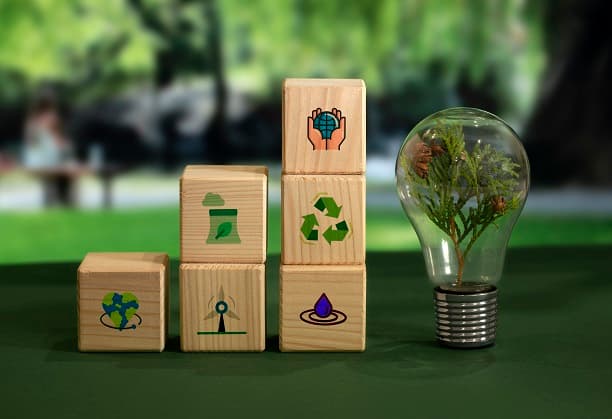
AI4NetZero Center of Excellence
The AI4NetZero Center of Excellence aims to accelerate India's net-zero transition by developing advanced AI and ML-based solutions for emissions reduction, energy efficiency, and sustainable operations across electricity generation, manufacturing, and building sectors. By combining state-of-the-art climate modelling, data infrastructure, and workforce development, the centre will catalyse national climate action, strengthen industrial resilience, and establish India as a global leader in AI-powered sustainability innovation.
By: Prof. Satyanarayana Seshadri
Cause: CoE
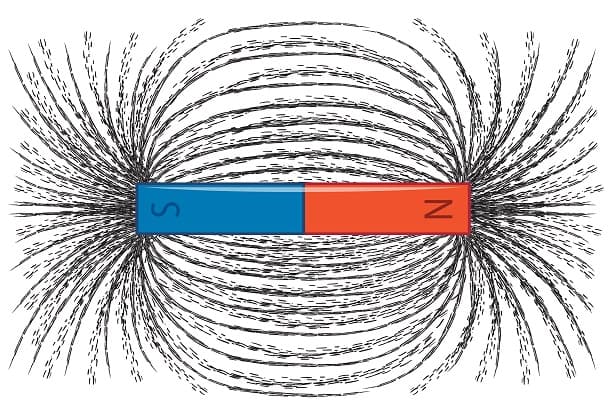
Centre of Excellence on Magnetic Materials
The Centre of Excellence on Magnetic Materials is a specialized research facility dedicated to advancing the science and applications of magnetic materials across diverse technological domains. This centre brings together cutting-edge equipment, expert researchers, and industry collaborations to explore novel magnetic materials for applications in energy, electronics, data storage, and medical technologies. By fostering interdisciplinary research and innovation, the centre serves as a national hub for magnetic materials development and commercialization.
By: Prof. Sarathy
Co-PI: Prof. Anbarasu
Cause: CoE

Centre of Excellence in disease mechanotherapy
The Centre of Excellence in Disease Mechanotherapy is a pioneering research facility exploring the intersection of mechanical forces and disease biology to develop novel therapeutic approaches. This centre investigates how physical forces at cellular and tissue levels influence disease progression and can be harnessed for treatment strategies in cancer, cardiovascular disorders, and degenerative diseases. By integrating biomechanics, cell biology, and clinical medicine, the centre aims to establish mechanotherapy as a transformative paradigm in healthcare and disease management.
By: Prof. Shantanu Pradhan
Cause: CoE
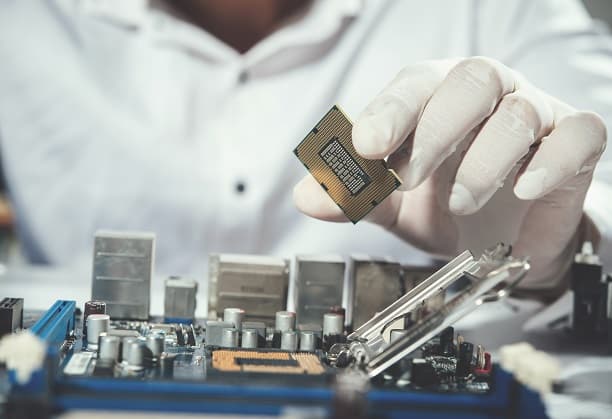
Centre for Advanced Semi-Conductor Technologies
The Centre for Advanced Semi-Conductor Technologies is a state-of-the-art research and development facility dedicated to advancing India's semiconductor capabilities across design, fabrication, and testing. This centre addresses critical gaps in the domestic semiconductor ecosystem by fostering innovation in chip architecture, process technology, materials science, and advanced packaging solutions. By combining academic excellence with industry collaboration, the centre aims to position India as a significant player in the global semiconductor value chain and support the nation's technological self-reliance.
By: Prof. HOD - Interdisciplinary Studies
Cause: CoE

WISER - Centre for Advanced Wireless Systems & Sensing Research
WISER (Centre for Advanced Wireless Systems & Sensing Research) is a premier research facility focused on developing next-generation wireless communication technologies and advanced sensing systems for diverse applications. The centre conducts cutting-edge research in areas including 5G/6G networks, Internet of Things (IoT), radar systems, wireless sensor networks, and intelligent communication protocols. By bridging fundamental research with practical implementation, WISER addresses critical challenges in connectivity, spectrum efficiency, and intelligent sensing for smart cities, industrial automation, and emerging digital infrastructure.
By: Prof. Radha Krishna Ganti
Cause: CoE

Establishing the centre for engineering human performance
IIT Madras proposes a Centre for Engineering Human Performance, a technology-enabled hub where athletes, coaches and sports organizations can access scientific tools for performance assessment, training optimization and injury prevention. Building on deployed collaborations with TOPS, SAI, the Inspire Institute of Sport and Royal Challengers Bengaluru, the Centre will house AI and computer vision, smart sports IoT, and human performance evaluation facilities to develop indigenous sports technologies and strengthen India's sporting excellence.
By: Prof. Babji Srinivasan
Cause: CoE
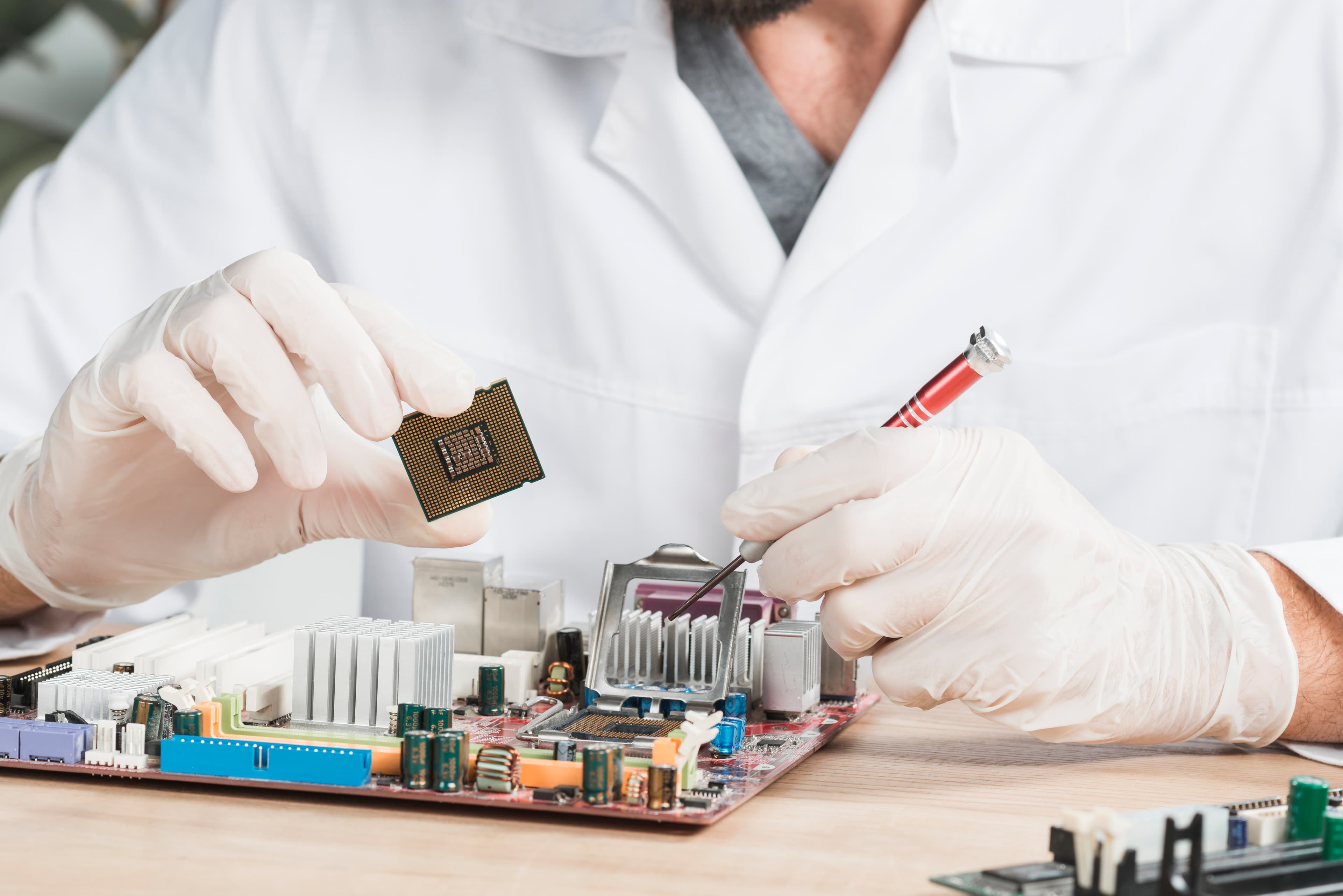
IITM Semiconductor technologies for healthcare innovation lub
IIT Madras proposes Semiconductor Translational Research Infrastructure Labs, an integrated ecosystem spanning biomedical technologies and advanced manufacturing, tightly linked with the Centre for Advanced Semiconductor Technologies (CAST). The facilities will enable biomedical device development, precision machining, robotics and automation for semiconductor manufacturing, materials testing and sustainable electronics production, while shared access to high-end equipment lowers entry barriers for startups, MSMEs, PSUs and academic institutions.
By: Prof. HOD - Interdisciplinary Studies
Cause: CoE

Advanced packaging facility to support the indian semiconductor ecosystem
IIT Madras proposes a state-of-the-art 2.5D/3D heterogeneous packaging facility to build domestic capability in advanced semiconductor packaging, which now contributes 30-40% of total solution cost and directly shapes performance, thermal management and reliability. The facility will develop indigenous technologies for substrates, interposers, bonding and reliability processes, demonstrate prototype power, photonic and RF modules, and train 10,000 personnel over seven years, supporting MSMEs, startups and the India Semiconductor Mission.
By: Prof. HOD - Interdisciplinary Studies
Cause: CoE

CoE in cyber security
IIT Madras proposes to evolve CyStar, its Centre for Cybersecurity, Trust & Reliability, into a Centre of Excellence in Cybersecurity, anchoring research, talent development and industry and government partnership through shared infrastructure. The first phase comprises four faculty-led projects spanning post-quantum cryptography migration, AI-driven reverse engineering of embedded cryptographic systems, cross-chain crypto-forensics, and machine-checked secure systems code, building the capability to defend India's national critical infrastructure.
By: Prof. Mathanan Kailas
Cause: CoE
Proposal on shared sustainability hub for TLC2 Centre of Excellence & IITM Energy Consortium - Thaiyur
IIT Madras proposes a Sustainability Building at its 163-acre Discovery Campus in Thaiyur, providing a shared home for the Centre of Excellence on Technologies for Low-Carbon & Lean Construction (TLC2) and the Energy Consortium. The facility will support research across microgrids, CCUS, renewable energy, EV charging systems, low-carbon construction materials, solar thermal processing and 3D construction printing, directly supporting India's targets of 500 GW of non-fossil energy capacity by 2030 and net zero by 2070.
By: Prof. Satyanarayana Seshadri
Cause: CoE

Center for Cancer Nanomedicine & Translational Health - Instrumentation List & CALR
IIT Madras proposes a Center for Cancer Nanomedicine and Translational Health to develop affordable, scalable nanomedicine for drug-resistant and metastatic cancers. India records 1.46 million new cases a year, many diagnosed late, and conventional therapy often fails through drug resistance, systemic toxicity and poor targeting. Rather than creating new drugs, the centre reformulates existing chemotherapeutics into safer nanoformulations, and extends into epigenetic nanotherapeutics, theranostics, regenerative scaffolds and nanotoxicology.
By: Prof. Sivakumar Vijayaraghavalu
Cause: CoE
Centre for climate resilient construction materials & technologies
IIT Madras proposes the Centre for Climate-Resilient Construction Materials and Technologies (C3MaT), a Centre of Excellence built on the institute's Technologies for Low-Carbon and Lean Construction initiative. Across four research pillars, C3MaT will valorize the 150 million tonnes of C&D waste and 180 million tonnes of fly ash India generates annually, build the country's first India-specific EPD, LCA and Material Passport databases, and run an AI-VR testbed, three field pilots and micro-credentials for 500+ practitioners.
By: Prof. Manu Santhanam
Cause: CoE

Centre of Excellence in Sustainable Cooling System
This proposal promotes sustainable energy-efficiency and climate-tech solutions designed to lower power consumption, minimise emissions, and support industrial transformation. Through research-driven system design and performance enhancement, the initiative helps SMEs and industries transition to environmentally responsible operations. CSR partnerships can accelerate the adoption of low-carbon technologies, strengthen climate-action outcomes, and contribute to long-term sustainability goals.
By: Prof. G Venkataratinam
Cause: CoE

Centre of Excellence on sustainable bio-manufacturing of low-cost phyto drugs for various medicinal applications
This proposal establishes a Centre of Excellence dedicated to the sustainable biomanufacturing of low-cost phyto-drugs for diverse medicinal applications. The initiative focuses on high-quality production of herbal raw materials, phytochemicals, and advanced extraction and purification systems. Aligned with national health priorities, the AYUSH mission, and UN SDGs, the centre supports industry-ready innovation, tech-transfer, leadership development, and new opportunities across wellness, cosmetics, agriculture, and biopharmaceutical sectors.
By: Prof. Smita Srivastava
Cause: CoE

Societal Impact via computation
This proposal aims to build a world-class computational facility to support research addressing critical societal challenges. High-performance computing enables advanced simulations in fields such as drug design, climate modelling, mobility, and healthcare. IIT Madras relies heavily on computational resources, and CSR support will strengthen infrastructure, equipment, and staffing, enabling breakthroughs that improve lives and generate high-impact scientific and technological outcomes.
By: Prof. Kameswararao Anupindi
Cause: CoE
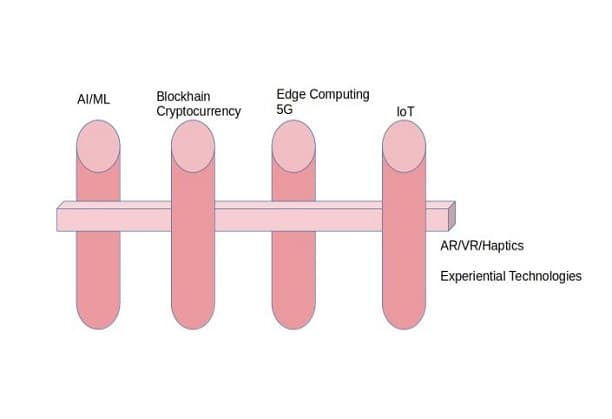
National Center for Experiental Technologies
This proposal seeks to establish a National Center for Experiential Technologies to drive breakthroughs in XR systems and human-centered digital innovation. The centre will unite research across immersive interfaces, AI-augmented XR, and interactive experience design. With CSR support, the initiative will accelerate technology development, industry collaboration, and large-scale impact in sectors relying on advanced experiential technologies.
By: Prof. M. Manivannan
Cause: CoE

Centre for Research on startups and risk financing (CREST)
CREST at IIT Madras is a leading research hub dedicated to the study of startups, innovation, and risk financing. By generating evidence-based insights, CREST strengthens policymaking, supports entrepreneurship, and contributes to national economic growth. CSR partnerships can fuel data-driven research, enhance the startup ecosystem, and expand India's innovation capacity while enabling high-impact developmental outcomes.
By: Prof. Thillai Rajan A
Cause: CoE
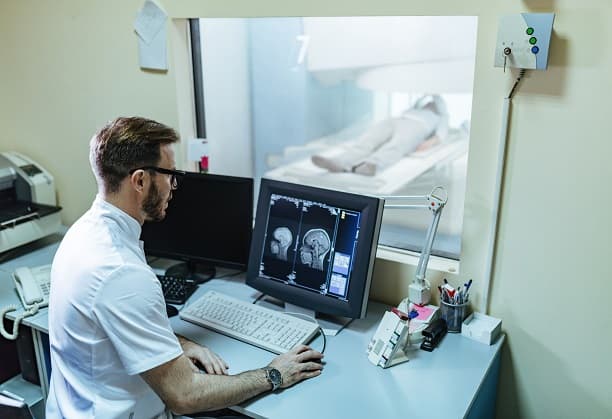
Center for Medical Imaging Technologies - Preclinical Imaging setup
This CSR-funded initiative aims to develop affordable preclinical MRI, ultrasound and micro-CT imaging systems to advance early disease screening and biomedical research across India. By reducing the cost of diagnostics and drug discovery, the project accelerates impact for pharmaceutical R&D, teaching hospitals and rural healthcare programs. CSR investment in this initiative directly supports accessible MedTech innovation for millions of underserved communities.
By: Prof. Arun K. Thittai
Cause: CoE

Center for Medical Imaging Technologies -for breast cancer screening
This CSR-backed research explores why women engage in subsistence marketplaces beyond economic need, identifying psychological and socio-cultural drivers shaping their personal and professional roles. The study will deliver actionable insights to design CSR programmes that boost women's well-being, labour participation and dignity. Corporate partners gain evidence-based strategies to maximize social impact and measurable improvements in vulnerable women's livelihoods.
By: Prof. Arun K. Thittai
Cause: CoE
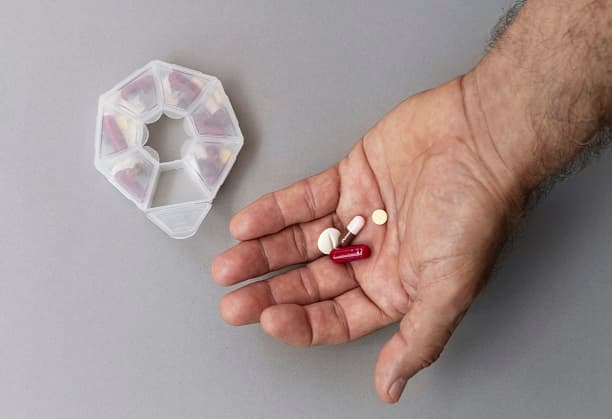
Centre for Plant-Derived, Nanoemulsion-Based Cancer Drug Discovery
This project pioneers cancer drug discovery using plant-derived nanoemulsions with the goal of achieving high anticancer efficacy while significantly reducing treatment-related side effects. The work includes in-vitro cancer cell line studies, mechanistic analysis, and animal-trial validation to advance safer and affordable oncology therapies. CSR partnership accelerates transformational research that has the potential to reach large and diverse patient populations and reshape the future of cancer care.
By: Prof. R. Nagarajan
Cause: CoE