
Research Projects
Across healthcare, sustainability, road safety, AI and other critical areas, IIT Madras research is translating knowledge into solutions for real-world challenges.
 Sustainability
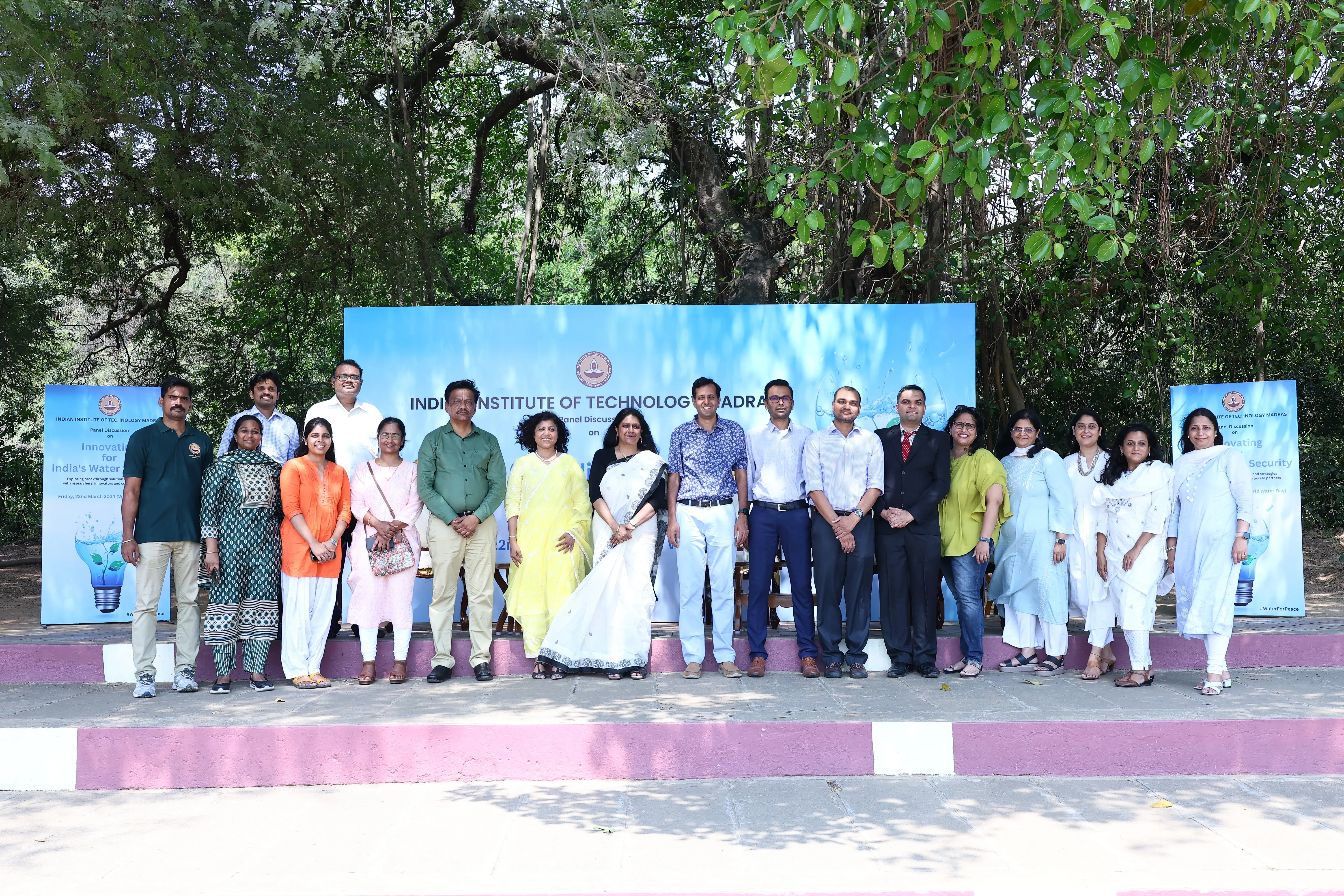
AquaMAP: Building Water-Secure Communities through Collaboration
At the heart of Indian Institute of Technology Madras lies AquaMAP, an interdisciplinary centre dedicated to solving India’s most pressing water challenges. Conceived and funded by alumni, AquaMAP integrates technology, policy, research, and community engagement to design scalable and sustainable water-management solutions across the country. With a mission to develop replicable water innovation models , the centre has already: Benefited 15,000+ people across Tamil Nadu and Karnataka Executed 18+ projects addressing water and wastewater challenges Built multi-stakeholder partnerships involving government, industry, academia, and communities AquaMAP’s impact is strengthened through corporate and CSR collaborations , where organisations support research, technology development, environmental restoration, and the implementation of real-world water solutions. 1. Collaboration with IBM – Technology-Driven Rural Transformation AquaMAP’s partnership with IBM stands out as a strong example of CSR-led technology deployment . MoU Value: ₹70.5 lakhs Project Focus: Water and wastewater management for village transformation Location: Sidlaghatta region, Karnataka Villages Covered: Mallur, Muthur, Kachahalli, among others Impact & Approach AquaMAP designed and implemented integrated water-management systems Focused on clean water access and sanitation improvements Enabled data-driven decision-making for rural water infrastructure This collaboration demonstrates how corporate CSR support combined with academic expertise can create scalable and sustainable rural water solutions. 2. Collaboration with CPCL – Industrial Sustainability & Water Stewardship The collaboration with Chennai Petroleum Corporation Limited represents AquaMAP’s engagement with industry for environmental sustainability and responsible water management . Focus Areas Industrial water management and effluent treatment optimisation Supporting pollution control and regulatory compliance Leveraging IIT Madras expertise in environmental engineering and remediation AquaMAP, led by experts including Prof. Ligy Philip, brings expertise in: Treatment of highly polluted industrial effluents Bioremediation of contaminated water and soil Sustainable wastewater treatment, recycling and reuse CSR Relevance Such collaborations encourage industries to move beyond conventional compliance towards proactive water stewardship by: Reducing environmental footprint Improving water-use efficiency Encouraging wastewater recycling Contributing to regional ecological sustainability 3. Collaboration with ITC – Community-Centric Water Solutions AquaMAP’s engagement with ITC Limited highlights its focus on creating community-level impact through sustainable water-management interventions . Focus Areas Rural water conservation and sustainable resource management Supporting livelihood and community infrastructure development Integrating water solutions with wider social-development initiatives Impact Orientation AquaMAP’s interventions can extend beyond infrastructure to include: Improvement of schools, anganwadis, and village facilities Better health and sanitation outcomes Support for livelihoods and community development Through collaborations such as ITC’s, AquaMAP seeks to ensure that water interventions are: Inclusive – involving communities in the process Sustainable – designed for long-term adoption Scalable – capable of replication across different regions 4. Collaboration with IndiGo – Sustainable Water Management for Chennai IndiGo is supporting AquaMAP at IIT Madras in undertaking a comprehensive research project on “Sustainable Water Management in Chennai.” The initiative aims to develop an integrated, climate-resilient and circular urban water-management framework addressing water security, wastewater reuse, stormwater management, groundwater recharge, flood mitigation, ecological restoration, coastal protection and solid-waste management. Focus Areas The IndiGo-supported programme brings together multiple areas of research and implementation: Development of a mathematical simulation and decision-support tool for sustainable urban water planning Assessment of Chennai’s future water demand and supply Wastewater recycling and reuse Managed Aquifer Recharge (MAR) and groundwater protection Sustainable Urban Drainage Systems for flood mitigation Water-body rejuvenation and preparation of DPRs for two selected water bodies Development of innovative wastewater-treatment and disinfection technologies Assessment of coastal pollution and microplastics Estimation of carbon emissions, sequestration and carbon-credit potential Building a Water-Resilient Chennai A major outcome of the programme will be a simple-to-use mathematical planning tool that integrates water supply, wastewater management, stormwater management and ecological functions of water bodies . The framework is intended to help planners evaluate different combinations of surface water, groundwater, desalination and treated wastewater while considering economic, environmental and climate-resilience factors. The project will demonstrate the framework using Chennai as a model and develop guidelines that can subsequently support its replication in other Indian cities . Water-Body Rejuvenation & Innovative Technologies As part of the programme, AquaMAP will shortlist 12 water bodies for assessment and prepare Detailed Project Reports for two priority water bodies . The project will explore nature-based solutions and innovative in-stream wastewater-treatment systems to ensure that rejuvenated lakes remain sustainable over the long term. Research also includes advanced technologies such as: Electro-conductive self-cleansing membranes for wastewater treatment, pollutant removal and resource recovery Nano-structured electrochemical reactors for decentralised water disinfection Technologies supporting a circular water economy through recycling and resource recovery Mangrove Restoration & Climate Action A significant ecological component proposed under the project is the establishment of a 50-hectare mangrove green belt along the Buckingham Canal , involving approximately 50,000 mangrove seedlings . The intervention is designed to: Improve shoreline stability Reduce erosion Enhance the natural filtration of pollutants Support biodiversity Strengthen Chennai’s wetland ecosystem Increase carbon sequestration Improve long-term climate resilience The detailed proposal prepared through the Tamil Nadu Forest Department estimates the intervention at approximately ₹5.46 crore and proposes implementation under IndiGo CSR funding through IIT Madras . The proposal specifically covers the planting of 50,000 mangrove seedlings across 50 hectares along the Buckingham Canal from Sholinganallur K.K. Salai Bridge towards Muttukadu . Long-Term Impact Through this collaboration, IndiGo is enabling AquaMAP to bring together scientific research, technological innovation, ecological restoration and policy-oriented planning within one integrated programme. Rather than addressing individual water challenges in isolation, the project seeks to create a replicable model for sustainable urban water governance , with Chennai serving as the demonstration city. The Bigger Picture: A CSR Ecosystem for Water Security AquaMAP’s model brings together four critical pillars: 1. Academic Excellence A multidisciplinary IIT Madras research ecosystem working across environmental engineering, water resources, hydrology, groundwater, modelling, wastewater treatment and sustainability. 2. Corporate & CSR Partnerships Organisations such as IBM, CPCL, ITC and IndiGo supporting the development and implementation of real-world water and environmental solutions. 3. Government Linkages Collaboration with government bodies and implementation agencies enables research outcomes to inform planning, infrastructure development and policy . 4. Community & Environmental Impact Interventions range from village-level water security to urban water resilience, lake rejuvenation, wastewater reuse, coastal protection, mangrove restoration and climate action . Conclusion AquaMAP exemplifies how CSR combined with academic innovation can move beyond conventional philanthropy to create systemic and measurable environmental impact. IBM supports technology-led rural water transformation CPCL strengthens industrial sustainability and responsible water management ITC enables community-oriented water and livelihood interventions IndiGo supports an integrated programme for sustainable urban water management in Chennai , combining research, water-body rejuvenation, innovative treatment technologies, climate action and ecological restoration Together, these collaborations position AquaMAP as a platform where industry, academia, government and communities co-create scalable solutions for India’s water security and climate resilience .
 Sustainability
Transforming Rural Livelihoods Through Sustainable Agriculture
Empowering Farming Communities in Virudhunagar with Climate-Resilient Practices and Market Access A holistic initiative to improve farmer incomes, strengthen rural enterprises, and build resilient agricultural ecosystems. An IIT Madras research initiative funded by IndusInd Bank , led by Prof. R. I. Sujith, Department of Aerospace Engineering. The Challenge Agriculture remains the primary source of livelihood for thousands of families in Virudhunagar district, yet farmers continue to face challenges including declining soil health, erratic rainfall, inefficient irrigation practices, fragmented value chains, and limited access to markets. Small and marginal farmers often struggle with low productivity and unstable incomes, making sustainable livelihood development a pressing need. Vision The Virudhunagar Livelihood Improvement Project envisions creating self-reliant, climate-resilient rural communities where scientific innovation, sustainable agriculture, and community-led institutions work together to improve livelihoods. By demonstrating an integrated model of rural transformation, the initiative seeks to establish a scalable framework that can be replicated across other districts, contributing to inclusive growth and long-term agricultural sustainability. The Initiative IIT Madras, in collaboration with district stakeholders, is implementing an integrated rural development programme that combines scientific agriculture, water resource management, capacity building, entrepreneurship development, and digital technologies. The project focuses on creating sustainable livelihood opportunities by improving agricultural productivity, strengthening farmer institutions, promoting value addition, and connecting producers to better markets. Rather than addressing individual challenges in isolation, the initiative builds an ecosystem that enables long-term economic resilience for rural communities. Building Sustainable Rural Ecosystems The project adopts a comprehensive approach that integrates multiple interventions: Promotion of climate-resilient and resource-efficient farming practices. Scientific soil and water management for sustainable agriculture. Capacity building and skill development for farmers and rural entrepreneurs. Strengthening Farmer Producer Organisations (FPOs) and community institutions. Value addition, processing, and improved market linkages to enhance farmer incomes. Technology-enabled monitoring and knowledge dissemination for scalable rural development. Beneficiaries The initiative is designed to create long-term impact across the rural ecosystem by benefiting: Small and marginal farmers through higher productivity, reduced cultivation costs, and improved incomes. Women Self-Help Groups (SHGs) through livelihood diversification and entrepreneurship opportunities. Farmer Producer Organisations (FPOs) through institutional strengthening and better market access. Rural youth through skill development, employment, and enterprise creation. Village communities through improved natural resource management, water conservation, and sustainable agricultural practices. Expected Impact By integrating technology, community participation, and scientific expertise, the project aims to create a resilient rural development model that delivers: Enhanced agricultural productivity and profitability. Sustainable water and natural resource management. Stronger rural institutions capable of driving local development. Increased value addition and market competitiveness for agricultural produce. Improved household incomes and livelihood security for farming communities.
 Sustainability
Smart Drinking Water for Uranium-Affected Villages
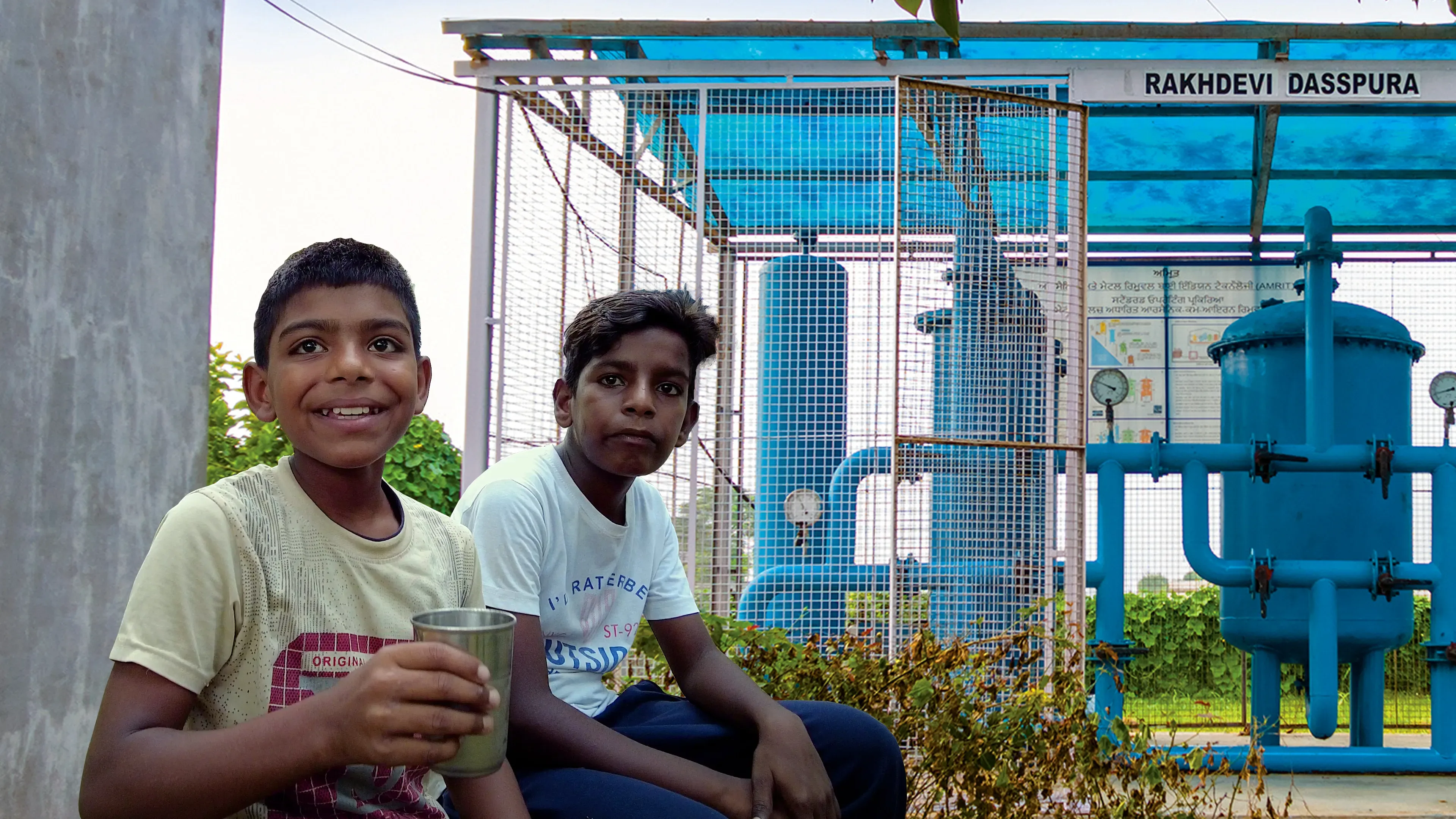
CSR Initiative by NIIF IFL - Ensuring Safe, Sustainable and Technology-Driven Access to Clean Drinking Water A collaborative initiative to build water-secure communities through indigenous innovation The Challenge Access to safe drinking water remains a pressing public health challenge across many regions of India. Over 10% of habitations are affected by poor water quality, with groundwater contamination by uranium posing a serious risk in states such as Punjab, Rajasthan, Haryana, and Gujarat. Long-term exposure to uranium-contaminated water can lead to severe health complications, particularly kidney damage, making reliable access to clean drinking water an urgent priority. Vision This initiative aims to create water-smart villages where every household has access to safe drinking water through sustainable, technology-enabled infrastructure. By combining indigenous innovation, digital monitoring, and community participation, the project seeks to establish a scalable model that can be replicated across water-stressed regions of India, improving public health while strengthening climate resilience and sustainable rural development. The Initiative To address this challenge, IIT Madras is implementing Smart Drinking Water Treatment Plants in uranium-affected villages using AMRIT (Anion & Metal Removal by Indian Technology) —an indigenous technology developed and incubated at IIT Madras for the efficient removal of uranium and other harmful contaminants from drinking water. The initiative combines advanced water purification with IoT-enabled monitoring, digital dashboards, and community engagement to create a sustainable model for safe rural water supply. Technology for Sustainable Water Security The project goes beyond installing treatment systems. Each plant is integrated with smart IoT technology that enables real-time monitoring of water quality, plant performance, and water distribution. Mobile applications and online dashboards provide transparency in system operation and usage, while baseline surveys and community awareness programmes ensure that local communities adopt safe water practices and actively participate in sustaining the initiative. Beneficiaries The project is designed to create long-term impact for multiple stakeholders: Residents of uranium-affected villages , who will gain access to safe, reliable drinking water. Children and vulnerable populations , whose health risks from contaminated groundwater will be significantly reduced. Local government agencies , through technology-enabled monitoring and evidence-based water management. Village communities , through awareness programmes that promote safe water use and long-term water security. Researchers and policymakers , by creating a scalable model for technology-driven rural water infrastructure. Project Progress The project has completed key preparatory activities, including water quality assessments, site identification, technical surveys, stakeholder consultations with government agencies, and planning for installation. Agreements with implementing partners are underway, after which construction of the treatment plants, baseline surveys, and community engagement activities will commence.
 Sustainability
Hyundai HTWO Innovation Centre at IIT Madras
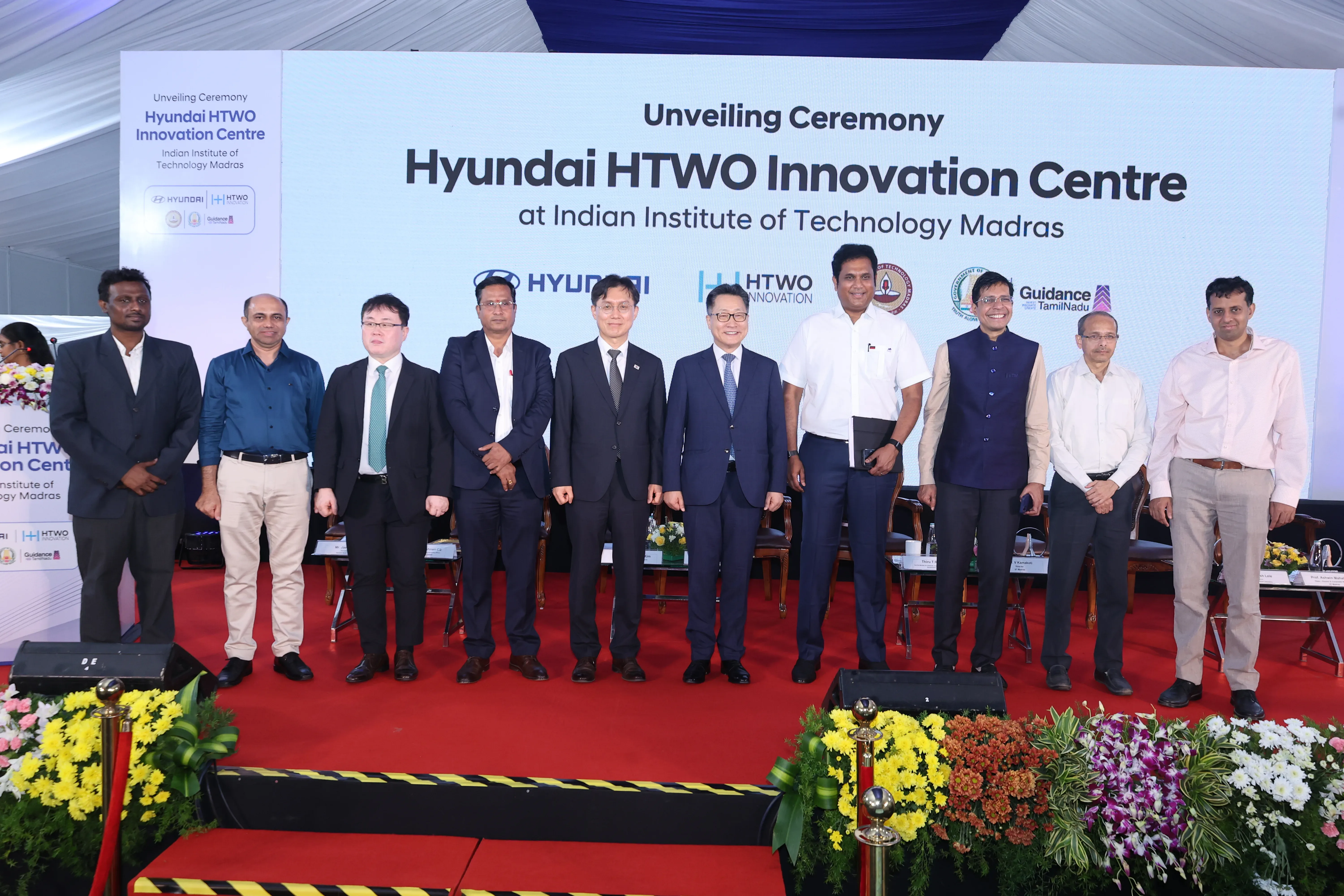
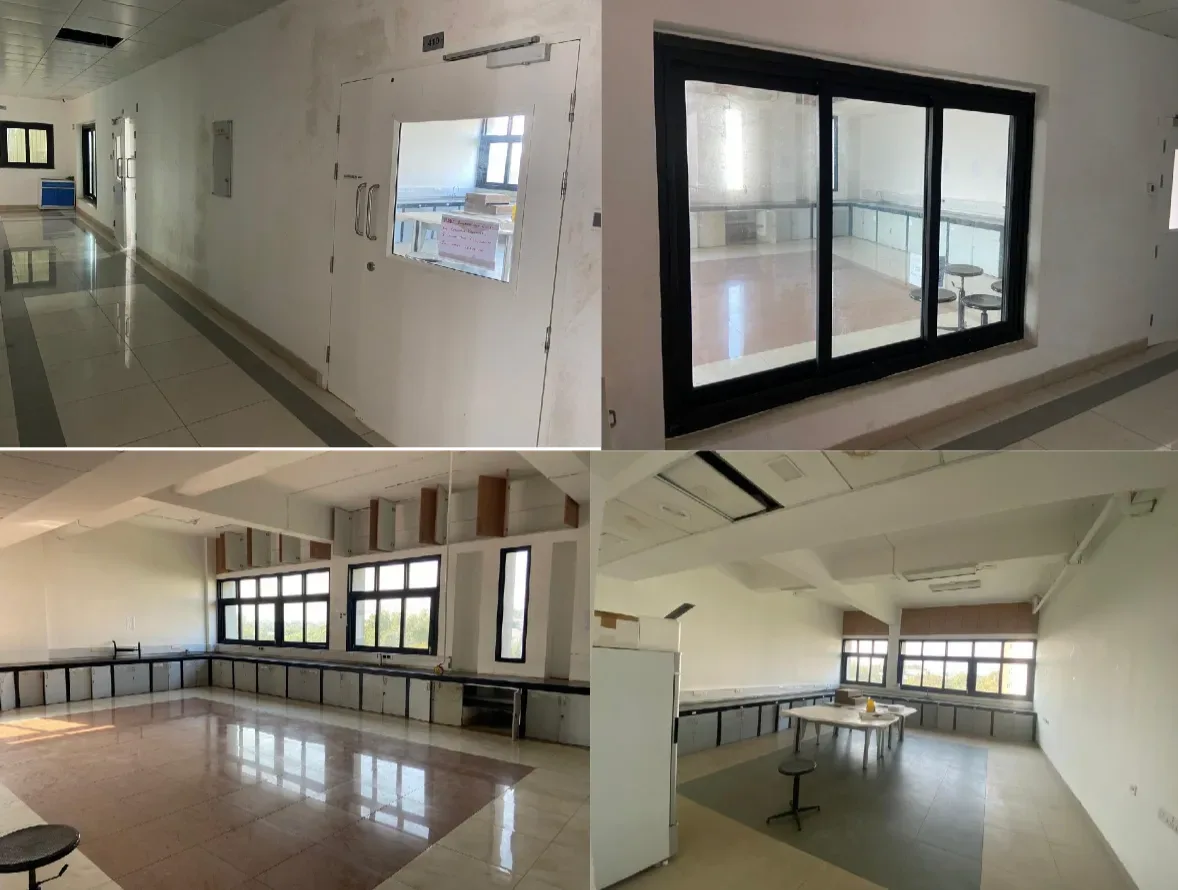
The Hyundai HTWO Innovation Centre at IIT Madras is a collaborative CSR initiative between Hyundai Motor India Limited, Indian Institute of Technology Madras, and Guidance Tamil Nadu, supported by the Government of Tamil Nadu. The initiative is aimed at advancing hydrogen research, strengthening indigenous technological capabilities, and fostering academia–industry collaboration in clean energy solutions. The Centre is being established at the IIT Madras Thaiyur campus and is envisioned as a dedicated hub for hydrogen innovation, testing, and applied research. Project Vision under CSR As part of their CSR commitment, Hyundai Motor India Limited has partnered with IIT Madras to build infrastructure and research capabilities in green hydrogen technologies. The Centre is designed to: Support research in hydrogen production Enable development and testing of hydrogen storage solutions Advance hydrogen mobility applications Promote local manufacturing capabilities Create a skilled technical workforce in hydrogen technologies The initiative aligns with broader goals of developing a hydrogen ecosystem in Tamil Nadu and India, while strengthening sustainable energy research and industry-ready innovation. Recent Progress: Construction and Infrastructure The project has progressed significantly across design and pre-construction stages. Architectural, structural, and detailed system designs have been completed. Tender documents are under review, interior and landscaping works are underway, and statutory approvals for construction have been initiated. Overall, the project has moved from planning into implementation readiness. Electrolyser Test Rig Development Design finalization and safety studies have been completed, and procurement of auxiliary components has been initiated. Equipment fabrication is underway at the vendor’s facility, and Factory Acceptance Testing of the first electrolyser test rig has been completed. The rig is ready for deployment and will support hydrogen production research, testing, and validation. Hydrogen Refuelling Station (HRS) The layout for the Hydrogen Refuelling Station has been finalized, and statutory approval processes have been initiated. Vendor engagement is progressing as planned. The HRS will enable research in hydrogen mobility and applied demonstration activities. Research Proposals and Funding Status A proposal submitted to the Ministry of New & Renewable Energy for establishing a hydrogen research centre has been shortlisted and is under final evaluation. Another proposal, BHAVI – Biowaste to Hydrogen for Advanced Valorisation & Integration , was submitted under a waste-to-hydrogen initiative but was not selected. These efforts reflect continued expansion of the Centre’s research engagement and ecosystem development. Institutional Milestone The Unveiling Ceremony of the Hyundai HTWO Innovation Centre was held at the Hydrogen Hub, IIT Madras, Thaiyur Campus, marking a key milestone in strengthening industry–academia collaboration. CSR Impact Perspective The Centre represents industry-supported capacity building in clean energy research, development of hydrogen innovation infrastructure, strengthening of sustainable technology ecosystems, and advancement of future-ready technical talent. Steady progress across design, procurement, fabrication, regulatory approvals, and research engagement reflects a structured implementation approach. Way Forward The next phase will focus on civil construction, system integration, commissioning of electrolyser test rigs, further development of hydrogen refuelling infrastructure, and continued research advancement. The initiative is steadily moving toward operational readiness and establishing a strong hydrogen innovation ecosystem at IIT Madras.
 Sustainability
HSBC Centre for Resource Efficiency, Recyclability & Circularity in Energy Transition (CRRET)
Building India's Circular Economy for a Sustainable Energy Future A transformative partnership between HSBC India and IIT Madras The Challenge As the world accelerates its transition to renewable energy, a new environmental challenge is rapidly emerging the mounting volume of end-of-life batteries, solar panels and electronic waste. By 2030, millions of tonnes of lithium-ion batteries and solar panels will reach the end of their life, yet only a small fraction is currently recycled. Recovering valuable metals, plastics and critical materials from these waste streams is essential to reduce dependence on virgin resources, lower emissions, and build a truly circular economy. Vision To establish IIT Madras as a global leader in circular economy research by developing technologies that recover value from waste, accelerate clean energy transitions, and create sustainable solutions that benefit industry, society, and the environment. Through innovation, education, and policy leadership, the Centre aims to redefine waste as a valuable resource for a greener future. This wording is consistent with the Centre's stated objectives of technology development, research translation, skill creation, certification, and stakeholder collaboration. The Initiative Supported by HSBC India through its CSR programme, IIT Madras established the Centre for Resource Efficiency, Recyclability & Circularity in Energy Transition (CRRET) under the School of Sustainability. The Centre brings together experts from chemical engineering, materials science, sustainability, policy and industry to develop breakthrough technologies for recycling batteries, solar panels, plastics and e-waste. Beyond research, the Centre is creating a national platform for technology translation, skill development, industry collaboration and policy innovation to advance India's transition towards net-zero and circular manufacturing. Creating a National Centre of Excellence Within its first year, CRRET has rapidly evolved from concept to a fully operational research facility. Dedicated laboratories have been established, advanced recycling and battery fabrication equipment has been commissioned, and specialised research infrastructure has been created to support cutting-edge work in battery recycling, e-waste processing and resource recovery. Strategic collaborations including an industry partnership with Bridge Green UpCycle are accelerating technology development and preparing solutions for commercial deployment. Research Driving Circular Innovation The Centre has already launched multiple interdisciplinary research programmes focused on recovering critical minerals from e-waste, scaling battery recycling technologies, developing environmental audit frameworks, creating sustainable policy for end-of-life EV batteries, and advancing circular economy models for recycling industries. Early research has resulted in peer-reviewed publications while laying the foundation for future intellectual property, technology transfer and deep-tech entrepreneurship. Beneficiaries & Societal Impact The Centre is creating impact far beyond the laboratory. Direct beneficiaries include: Researchers, doctoral scholars and students working on next-generation recycling technologies. Industry partners developing sustainable manufacturing and recycling solutions. Policymakers shaping India's circular economy and battery recycling ecosystem. School students engaged through outreach programmes that build awareness around sustainability and resource recovery. Future beneficiaries include waste pickers and recycling workers through planned large-scale skill development initiatives, alongside professionals who will benefit from upcoming NPTEL certification programmes.
 HealthCare
Clinical Hyperthermia System for Cancer Treatment
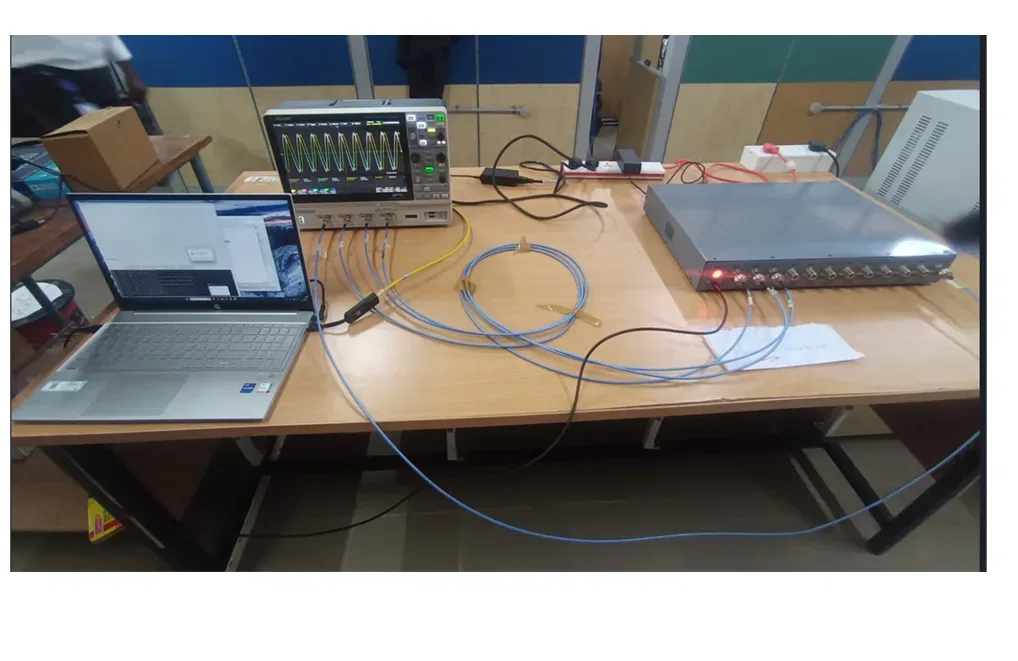
Developing an Indigenous Hyperthermia System to Improve Cancer Care A CSR initiative supported by SBI General Insurance Company Limited The Challenge Cancer remains one of India's leading healthcare challenges, with a significant number of patients diagnosed at advanced stages where treatment outcomes depend on multimodal therapies. Hyperthermia therapy—controlled heating of tumour tissues—has been clinically proven to enhance the effectiveness of radiotherapy and chemotherapy. However, advanced clinical hyperthermia systems are largely imported, prohibitively expensive, and inaccessible to most hospitals across the country, limiting their widespread adoption in cancer care. The Initiative IIT Madras is developing a completely indigenous Clinical Hyperthermia System that delivers precisely controlled microwave energy for treating deep-seated tumours. The project integrates programmable microwave sources, multi-channel power amplifiers, phased-array antennas, treatment planning software, and patient-specific control systems into a single clinical platform. Designed to international standards while being significantly more affordable, the system aims to make advanced hyperthermia therapy accessible to hospitals across India. Advancing Indigenous Medical Technology Significant progress has been achieved across hardware, software, and system integration. Researchers have developed patient-specific treatment planning tools, optimized antenna configurations for precise energy delivery, and validated thermal performance through laboratory testing. The project continues to refine treatment accuracy, safety mechanisms, and system reliability while integrating multiple engineering components into a clinically deployable platform. Creating Lasting Impact Once completed, the indigenous clinical hyperthermia system has the potential to transform cancer treatment in India by substantially reducing dependence on imported equipment and lowering treatment costs. The technology will enable hospitals to provide advanced combination therapy for cancer patients while strengthening India's capability to develop high-end medical devices domestically. Beyond improving patient care, the project establishes a strong foundation for innovation in biomedical engineering and medical technology manufacturing. A Partnership for Affordable Cancer Care The collaboration between IIT Madras and SBI General Insurance demonstrates how industry-supported research can accelerate indigenous healthcare innovation. By supporting the development of advanced yet affordable cancer treatment technologies, the partnership contributes to improving patient outcomes while advancing India's vision of self-reliance in medical devices and healthcare innovation. Programmable Microwave Source for Hyperthermia Treatment of Cancer Building the Core Technology Behind India's Indigenous Hyperthermia System A CSR initiative supported by SBI General Insurance Company Limited The Challenge Effective hyperthermia treatment requires highly precise delivery of microwave energy to tumour tissues. Existing programmable microwave energy sources are expensive, largely imported, and not designed to meet the affordability and scalability needs of Indian healthcare institutions. The absence of indigenous technology has limited the widespread adoption of hyperthermia as an effective adjuvant therapy for late-stage cancer patients. The Initiative To address this gap, IIT Madras is developing a programmable Microwave Energy Source (MES) that enables precise control of microwave power, phase, and amplitude for hyperthermia treatment systems. The platform combines a programmable signal generator, intelligent controller, and high-power microwave amplifier to deliver controlled energy safely and accurately. Designed specifically for indigenous hyperthermia applicators, the MES serves as the technological backbone of India's next-generation clinical hyperthermia system. Technology Development Milestones The project has successfully completed the development of a twelve-channel programmable signal synthesizer with phase control, validated for continuous operation. Researchers have also developed a thermally stable high-power amplifier capable of delivering 250 W of microwave power using advanced liquid-cooling techniques. Custom software interfaces and system-level integration have been established, demonstrating the feasibility of a scalable and programmable microwave delivery platform for clinical applications. Creating Long-Term Impact The programmable MES represents a critical enabling technology for affordable hyperthermia treatment in India. By replacing costly imported subsystems with indigenous engineering solutions, the project has the potential to significantly reduce equipment costs while improving accessibility to advanced cancer therapies. The technology also strengthens India's capabilities in biomedical electronics, RF engineering, and medical device innovation, paving the way for future indigenous healthcare technologies. Looking Ahead Despite global supply chain disruptions affecting specialized RF components, the project has established a robust system architecture and validated its core technologies. The next phase will focus on completing multi-channel power amplifier integration, fabricating the final system enclosure, and preparing the technology for comprehensive laboratory testing and eventual clinical deployment. Continued support will help translate this indigenous innovation into a practical, affordable solution for cancer care across India.
 HealthCare
SBIF Para Athlete Sports Scholarship Programme
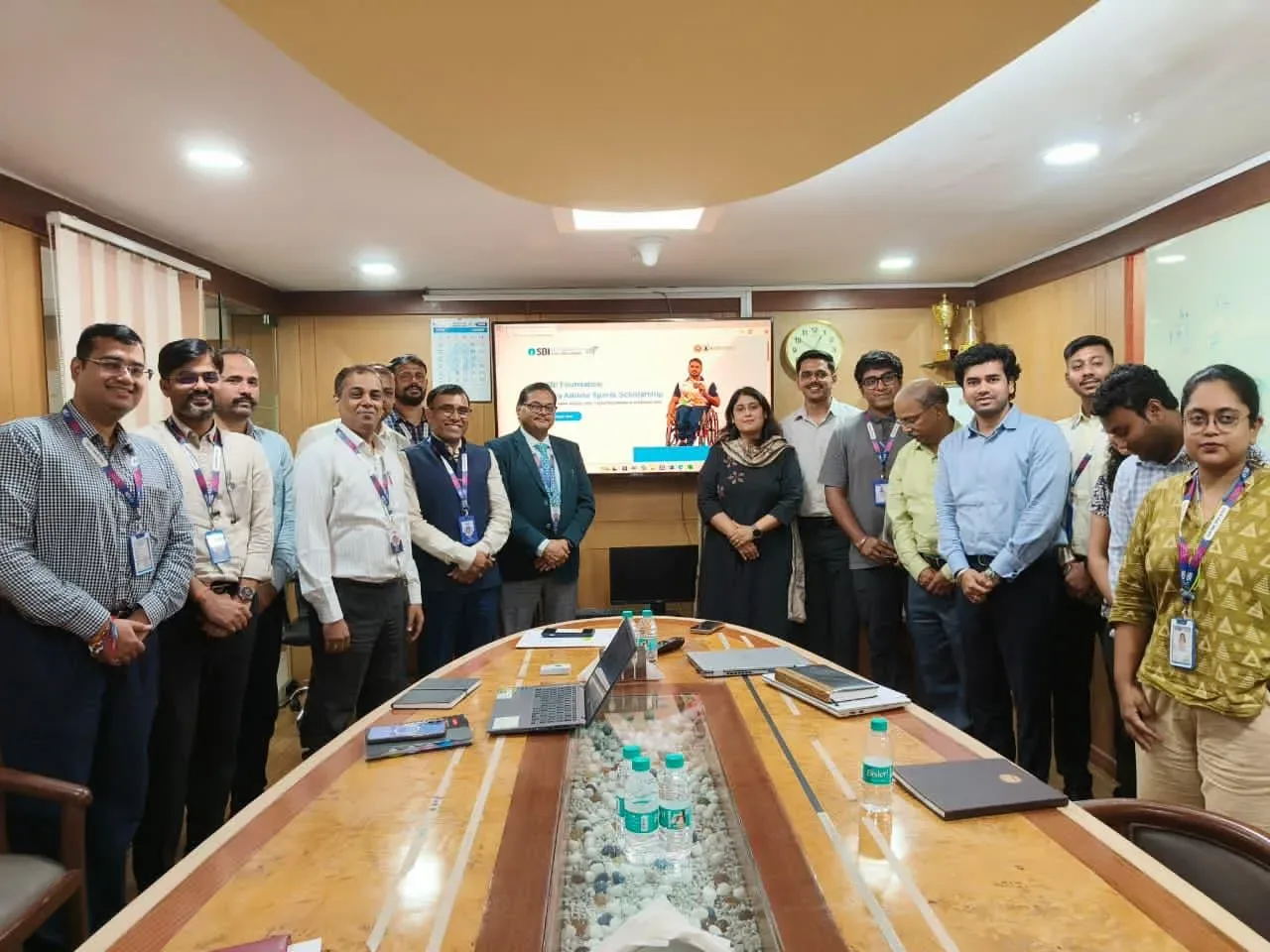
Empowering India's Para-Athletes to Achieve Sporting Excellence A CSR partnership between IIT Madras and SBI Foundation The Challenge Para-athletes in India continue to overcome significant barriers in pursuing competitive sports. While talent and determination are abundant, many athletes face limited access to sustained financial support, high-performance coaching, sports science, and specialised training infrastructure. These challenges often restrict their ability to compete consistently at national and international levels and realise their full sporting potential. The Initiative To address these challenges, IIT Madras and SBI Foundation have launched the SBIF Para Athlete Sports Scholarship Programme (SBIF PASS) a pioneering initiative designed to empower 100 para-athletes across India. The programme provides each selected athlete with a monthly scholarship of ₹40,000 , complemented by scientific training and performance support, enabling athletes to focus on achieving excellence on the national and international stage. Building a High-Performance Ecosystem The programme extends beyond financial assistance by integrating sports science, performance analytics, and expert mentorship into athlete development. Technical support is provided by Acrophase , IIT Madras' Centre of Excellence for Human Performance, ensuring that athletes have access to evidence-based training, performance monitoring, and scientific expertise that enhance preparation for elite competitions. Creating Lasting Impact The SBIF PASS programme seeks to create a robust ecosystem of inclusion and excellence in Indian sport. By reducing financial barriers and providing world-class scientific support, the initiative aims to strengthen India's pipeline of para-athletes for the Paralympics and other international competitions. More importantly, it recognises the abilities and aspirations of differently abled athletes, promoting equal opportunities and reinforcing the values of diversity, inclusion, and sporting excellence.’ Expanding the Impact: Phase 2 Building on Phase 1’s success, IIT Madras and SBI Foundation launched Phase 2 of the programme in August 2026 to support 80 para-athletes—40 men and 40 women—across eight Paralympic disciplines. Each athlete will receive a monthly scholarship of ₹40,000 for one year, along with performance assessments, nutrition guidance and personalised sports-science support from Acrophase. The expansion follows the strong performance of the 26 Phase 1 athletes, who collectively won 70 national and international medals. Through this initiative, IIT Madras and SBI Foundation aim to strengthen India’s para-sports ecosystem and prepare athletes for major international competitions. A Partnership for Inclusive Excellence The collaboration between IIT Madras and SBI Foundation reflects a shared commitment to advancing inclusive growth through sport. By combining philanthropic support with research-driven human performance expertise, the programme equips para-athletes with the resources, confidence, and scientific training needed to compete at the highest level. It is an investment not only in sporting achievement but also in creating a more inclusive future where talent is nurtured irrespective of physical ability. At a Glance The SBIF Para Athlete Sports Scholarship Programme supports 100 para-athletes from across India through a monthly scholarship of ₹40,000 , alongside scientific training and performance support delivered by Acrophase , IIT Madras' Centre of Excellence for Human Performance. By integrating financial assistance with sports science and mentorship, the initiative is building a sustainable pathway for para-athletes to excel at the national and international levels while fostering a more inclusive sporting ecosystem.
 HealthCare
AI-Powered Screening, Guidance and Learning for Children with Dyslexia
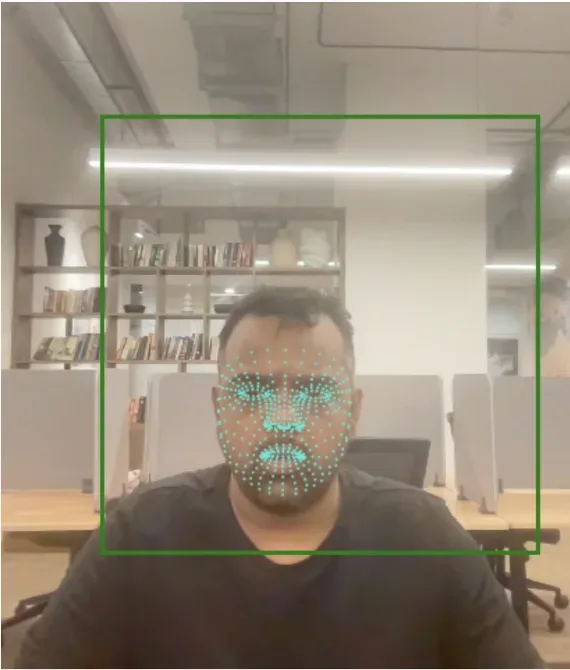
Transforming Inclusive Education through Artificial Intelligence A collaborative project by IIT Madras and the Madras Dyslexia Association, supported by Capgemini’s CSR initiative. The Challenge Dyslexia is one of the most common specific learning disabilities, affecting children's ability to read, spell, and process language despite normal intelligence. Often hidden and lifelong, dyslexia frequently goes undiagnosed until children begin to struggle academically, leading to reduced confidence, learning gaps, and long-term educational disadvantages. Many families and schools lack access to timely screening, personalised interventions, and specialised learning resources. The Solution To address this challenge, IIT Madras, in partnership with the Madras Dyslexia Association , is developing an AI-driven learning ecosystem that enables early screening, personalised guidance, and adaptive learning support for children with dyslexia. The platform combines artificial intelligence, eye-tracking technology, learning analytics, and evidence-based educational content to identify individual learning challenges and recommend tailored interventions for children, educators, and caregivers. Innovating for Personalized Learning The project is designed around three integrated capabilities: AI-powered screening , targeted guidance , and adaptive learning content . Children undergo a comprehensive baseline assessment incorporating reading ability, phonological awareness, memory, attention, language skills, and eye-tracking analysis. Using these inputs, AI models classify learning difficulties and map personalised learning pathways, while caregivers receive targeted recommendations and children engage with scaffolded digital content that adapts to their learning progress. Progress So Far Significant progress has already been made in developing the platform. Variables required for the screening algorithm have been identified, an in-house eye-tracking web application has been developed, and 440 student data samples have been collected to support AI model development. Data collection protocols, privacy safeguards, operating procedures, and consent frameworks have been established, while mobile application design, reinforcement learning content, and feature engineering are currently underway. Potential Impact By combining artificial intelligence with educational research and clinical expertise, this initiative has the potential to transform how dyslexia is identified and supported across India. The platform aims to make early screening more accessible, empower parents and teachers with personalised guidance, and provide children with engaging, adaptive learning experiences tailored to their individual needs. Ultimately, the project seeks to improve educational outcomes, reduce learning disparities, and create a more inclusive learning environment where every child has the opportunity to succeed. At a Glance The project is being jointly executed by IIT Madras and the Madras Dyslexia Association , with support from Capgemini , to develop an AI-powered platform for early dyslexia screening and personalised learning. The solution integrates eye-tracking, reading assessments, learning analytics, adaptive educational content, and AI-based classification to deliver scalable, evidence-based support for children with dyslexia, while equipping parents, teachers, and caregivers with the tools needed to foster inclusive education.
 HealthCare
Enabling Mobility, Restoring Dignity
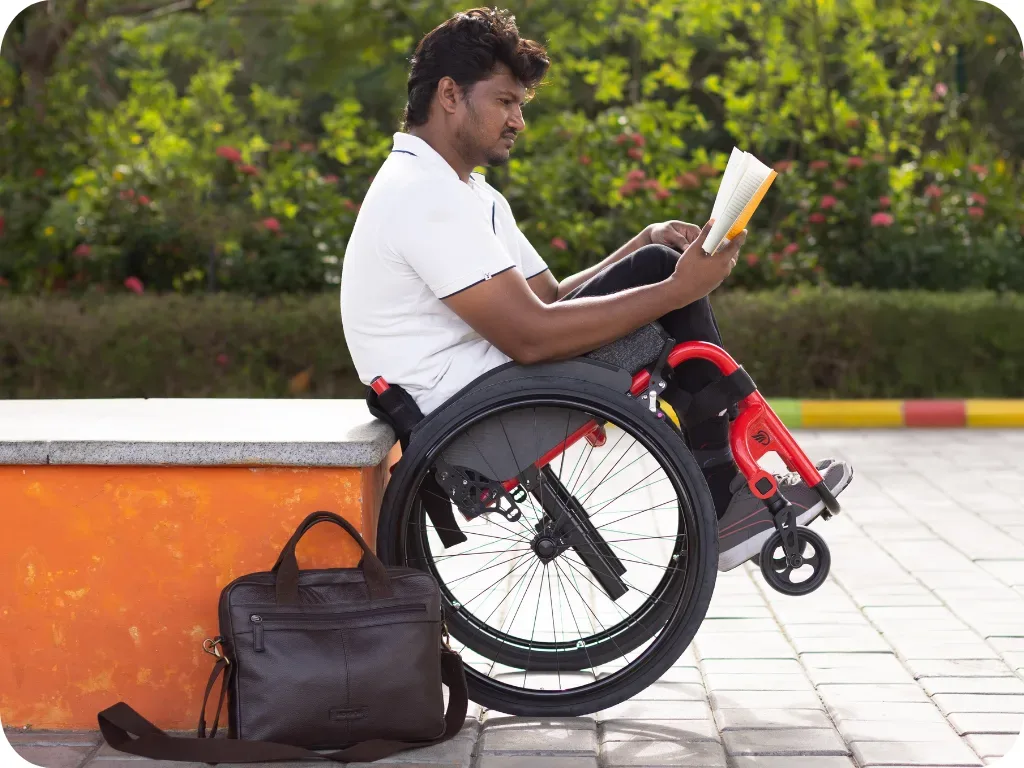
The TTK–IIT Madras Collaboration Driving Inclusive Innovation In India, where access to affordable assistive technologies remains a critical challenge, a powerful collaboration between industry philanthropy and academic excellence is quietly transforming lives. The TTK Center for Rehabilitation Research and Device Development (R2D2) at IIT Madras stands as a compelling example of how Corporate Social Responsibility (CSR) can catalyse deep, scalable social impact. The CSR Vision: Where Purpose Met Possibility The origin of R2D2 is rooted in a bold and values-driven CSR decision by the TTK Group, led by visionary industrialist T. T. Jagannathan. At a time when assistive technology was still underdeveloped in India, TTK chose to invest not just in research—but in human dignity, independence, and inclusion . Rather than seeking short-term outcomes, this CSR initiative focused on building long-term institutional capacity at IIT Madras , enabling cutting-edge research to translate into real-world solutions. The philosophy was simple yet powerful: if technology can improve lives, it deserves to be built—and made accessible. This collaboration led to the establishment of R2D2 in 2015—one of India’s first dedicated centres for rehabilitation and assistive device innovation. Building a Centre of Excellence for Social Impact Since its inception, R2D2 has evolved into a nationally and globally recognised hub for assistive technology innovation, combining engineering, clinical research, and user-centric design . Key Impact Metrics 10,000+ lives touched through devices, outreach, and awareness 40+ multidisciplinary team members 11 patents granted and 10+ pending 50+ research publications 4 products launched , with 9+ in pipeline These numbers reflect not just academic output, but real-world transformation enabled through CSR-backed research . From Lab to Life: Affordable Innovation at Scale A defining strength of the TTK–IITM collaboration is its translational approach —moving innovations from the lab to the lives of users. R2D2 has developed a suite of impactful assistive devices, including: Standing wheelchairs (Arise, NeoStand) Active wheelchairs and mobility add-ons (NeoFly, NeoBolt) India’s indigenous polycentric prosthetic knee (Kadam) Neuro-rehabilitation robots (PLUTO) These innovations are designed with a clear mandate: Affordability + Accessibility + Functionality By partnering with industry players and startups like NeoMotion, these technologies are commercialised and scaled , ensuring CSR investments translate into sustainable solutions. Beyond Funding: A Deep, Strategic CSR Partnership What makes the TTK collaboration distinctive is that it goes far beyond financial support. 1. Enabling Risk-Taking Innovation TTK’s CSR backing provided researchers the freedom to experiment and innovate , without immediate commercial pressure. 2. Building an Ecosystem The centre collaborates with: NGOs like Vidya Sagar and Amar Seva Sangam Hospitals such as CMC Vellore and MIOT Global academic institutions and rehabilitation experts This ecosystem ensures that solutions are: ✔ Clinically validated ✔ User-tested ✔ Socially relevant 3. Strengthening India’s Assistive Tech Landscape R2D2’s work feeds into larger national initiatives like assistive health technology centres and inclusive policy frameworks, amplifying CSR impact at a systemic level. Human Impact: Technology that Restores Independence At its core, this CSR initiative is about people, not products . Every wheelchair, prosthetic, or rehabilitation device developed at R2D2 represents: A child going to school independently A professional returning to work A patient regaining mobility and confidence The focus on user-first engineering ensures that solutions are not only functional but life-changing . A Model CSR Collaboration for the Future The TTK–IIT Madras partnership offers a replicable model for CSR in India: What sets it apart? Institution-building, not one-time funding Research-to-impact pipeline Strong academia–industry–social sector integration Focus on affordability and scale It demonstrates that CSR, when aligned with deep technical expertise and long-term vision, can move beyond compliance to become a driver of innovation and social transformation . Conclusion The TTK Center for Rehabilitation Research and Device Development at IIT Madras is more than a research lab; it is a testament to what purposeful CSR can achieve. By backing science with compassion and innovation with intent, the TTK–IITM collaboration is not just creating technologies, it is restoring mobility, dignity, and opportunity for thousands . And in doing so, it sets a powerful precedent: The future of CSR lies in enabling ecosystems that empower people at scale.
 HealthCare
IRFC SCOT Lab
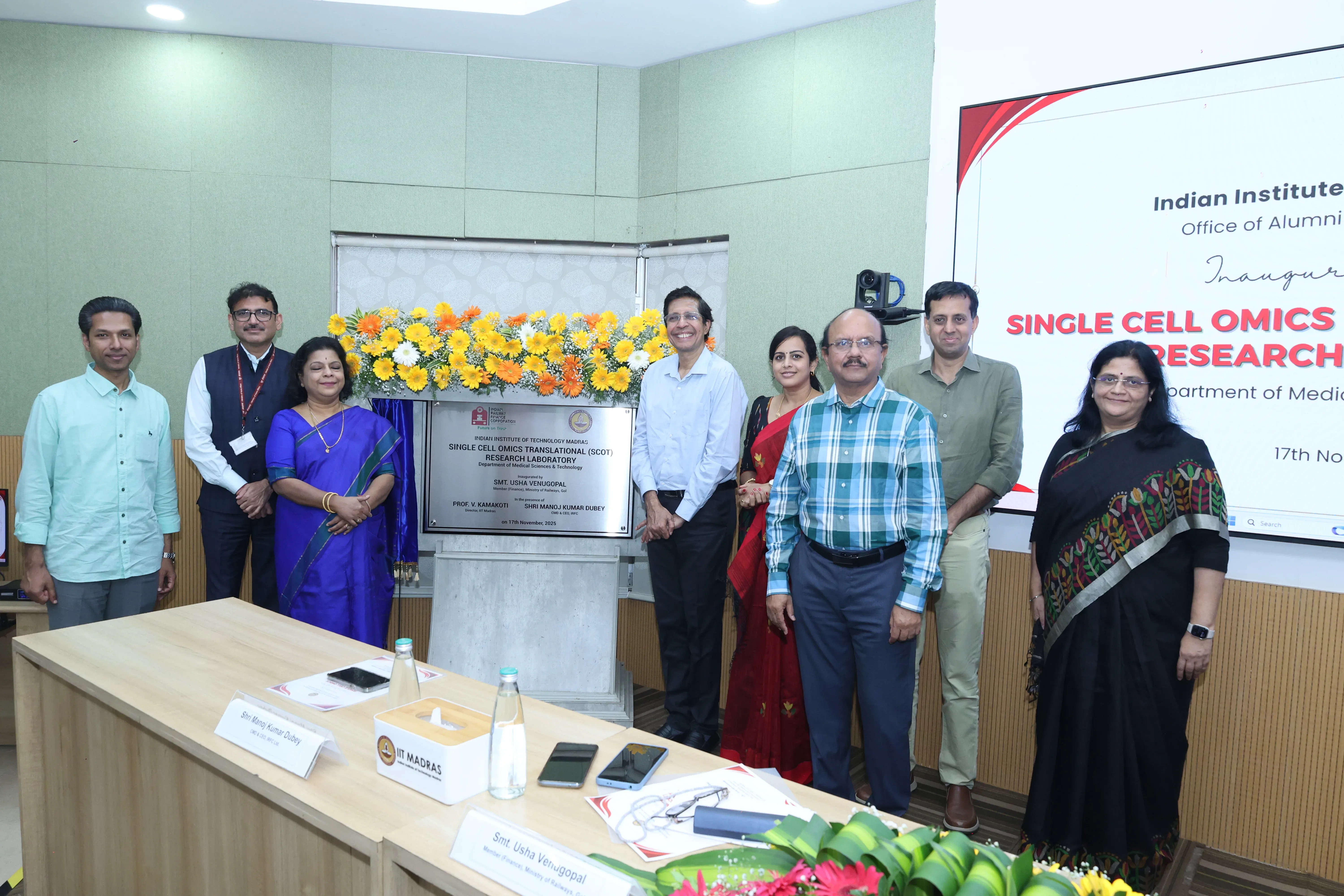
Establishing India's Advanced Single-Cell and Spatial Transcriptomics Infrastructure for Precision Medicine A CSR Initiative by Indian Railway Finance Corporation (IRFC) in partnership with IIT Madras About the Project The Single-Cell and Organoid Technology (SCOT) Lab at IIT Madras is a first-of-its-kind translational research facility that enables scientists to study human diseases at unprecedented cellular resolution. Established with the support of Indian Railway Finance Corporation (IRFC) , the laboratory integrates single-cell multi-omics, spatial transcriptomics, advanced histology, high-resolution imaging, and cryo-electron microscopy into a unified research platform. By combining patient-derived tissues with stem cell-derived human organoids, the SCOT Lab bridges the gap between laboratory research and clinical practice, accelerating discoveries that can improve disease diagnosis, treatment, and personalized healthcare. Why It Matters Many complex diseases—including diabetes, cardiovascular disease, cancer, lung disorders, and infectious diseases—cannot be fully understood by studying tissues in bulk. The SCOT Lab enables researchers to examine individual cells within their native tissue environment, revealing how diseases develop, progress, and respond to treatment. This deeper understanding is essential for developing precision diagnostics, targeted therapies, and personalized treatment strategies that improve patient outcomes. Technology & Research Capabilities The SCOT Lab brings together three advanced technology platforms within a single integrated facility: Single-Cell & Spatial Transcriptomics to decode gene expression and cellular diversity. Cryo-Preparation and Volume Electron Microscopy for ultra-high-resolution imaging of tissues and organoids. Automated Histology Processing for standardized tissue preparation, imaging, and molecular analysis. Together, these technologies create a comprehensive bench-to-omics pipeline , enabling researchers to move seamlessly from tissue processing and imaging to cellular and molecular analysis within one laboratory. Research & Translational Impact The SCOT Lab supports a wide range of research and clinical applications, including the creation of single-cell atlases for human diseases, organoid-based disease modelling, spatial mapping of tissues, immune response profiling, and pathology-to-omics workflows. These capabilities provide critical insights into diseases such as diabetes, heart failure, infections, liver disease, and cancer, while strengthening translational research and enabling the development of next-generation diagnostics and therapies. Building National Capacity Beyond research, the SCOT Lab serves as a national resource for education and healthcare innovation. The facility trains PhD scholars, clinicians, and technologists in cutting-edge omics and imaging technologies, fosters collaborations with hospitals for translational research, and supports internships, workshops, and outreach programmes. By advancing indigenous research capabilities and expanding access to globally relevant technologies, the initiative contributes to Atmanirbhar Bharat , Make in India , and UN Sustainable Development Goal 3: Good Health and Well-being . At a Glance Established under the Department of Medical Sciences and Technology at IIT Madras, the IRFC SCOT Lab became operational in September 2025 as a state-of-the-art national facility for single-cell and spatial biology. By integrating advanced genomics, imaging, histology, and organoid technologies within a single platform, the laboratory is enabling breakthrough research in precision medicine, accelerating translational healthcare innovations, and equipping the next generation of researchers and clinicians with world-class capabilities.
 HealthCare
NTPC Centre of Excellence in Cardiovascular Research
Advancing Precision Cardiology. Engineering the Future of Heart Care. A CSR initiative by NTPC in partnership with IIT Madras About the Initiative Cardiovascular diseases remain the leading cause of mortality in India, demanding innovative, interdisciplinary solutions. With NTPC’s CSR support, IIT Madras is establishing the NTPC Centre of Excellence in Cardiovascular Research to bring together engineering, medicine, computational science, and genomics for the development of next-generation diagnostics, therapies, medical devices, and precision healthcare solutions. The Centre comprises two major research facilities— Cardiovascular Mechanics & Engineering and Cardiac Cellular Physiology —supported through a ₹35.41 crore CSR grant . Why It Matters Cardiovascular disease continues to place an enormous burden on India's healthcare system. The Centre addresses this challenge by combining advanced engineering, artificial intelligence, genomics, and clinical research to improve early diagnosis, personalize treatment, develop indigenous medical technologies, and accelerate the translation of laboratory discoveries into patient care. Research Focus Areas Engineering Better Cardiac Care Patient-specific digital twin models for personalized treatment planning AI-powered ECG reconstruction and computational electrophysiology Virtual reality platforms for surgical planning Indigenous development of next-generation cardiac assist devices (LVADs) Precision Medicine & Genomics Identification of genetic and molecular biomarkers for heart disease Spatial and single-cell genomics in heart failure Cardiac immunology and inflammatory profiling Human cardiac tissue biobanking for future research Translation & Innovation Mechanistic pathway discovery and functional validation Public cardiovascular data atlas and intellectual property generation Advanced imaging and cardiac tissue engineering platforms Current Progress Patient-specific cardiovascular modelling and AI-based ECG reconstruction are in advanced stages. Clinical recruitment, biospecimen collection, and genomic studies have commenced with ethical approvals in place. Experimental workflows for spatial genomics, biobanking, and imaging have been established. Procurement and installation of world-class research infrastructure are underway to support large-scale translational research. Long-Term Impact The NTPC Centre of Excellence aims to position IIT Madras as a national leader in cardiovascular science by enabling: Earlier and more accurate diagnosis of heart disease Personalized treatment strategies through precision medicine Indigenous development of advanced cardiac technologies National research infrastructure including cardiac biobanks and disease atlases High-impact translational research that improves patient outcomes across India. At a Glance Funding ₹35.41 crore CSR support from NTPC Research Facilities 2 Centres of Excellence Research Programmes 12 multidisciplinary projects Core Areas AI • Digital Twins • Precision Medicine • Genomics • Medical Devices • Cardiac Imaging Vision Transform cardiovascular care through engineering innovation, translational research, and precision medicine
 HealthCare
The UG Anatomy Lab in partnership with Power Finance Corporation Limited (PFC)
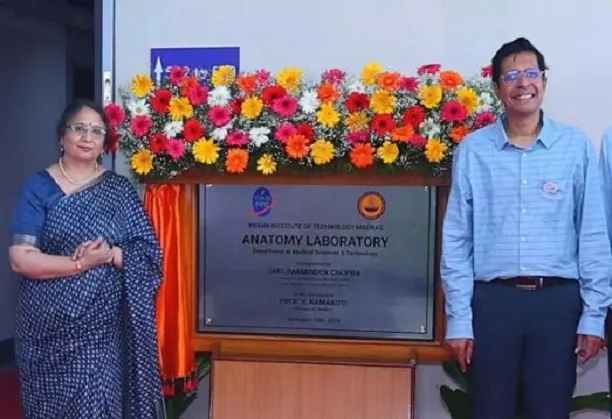
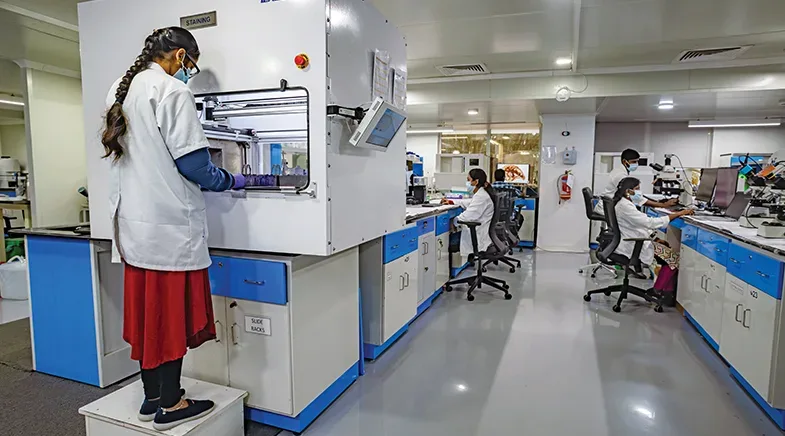
Introduction Under its Corporate Social Responsibility (CSR) initiative, Power Finance Corporation Limited (PFC) partnered with IIT Madras for the establishment of the UG Anatomy Lab in the Department of Medical Sciences and Technology at IIT Madras. This initiative represents a significant contribution toward strengthening interdisciplinary medical education and advancing healthcare innovation in India. PFC is among the earliest organizations to support this newly established department. Their timely intervention enabled the swift creation of critical academic infrastructure, reinforcing the Institute’s vision of integrating medical sciences with engineering and technology. Background and Institutional Vision The Department of Medical Sciences and Technology at the Indian Institute of Technology Madras was established to bridge engineering and medicine through interdisciplinary collaboration. By bringing together clinicians, life scientists, and engineers, the department addresses complex healthcare challenges and trains future physician scientists and engineering physiologists. The BS Programme in Medical Sciences and Engineering integrates medical and engineering education through interdisciplinary coursework and hospital exposure, with Anatomy serving as a foundational subject. This made the establishment of a state-of-the-art Anatomy Lab essential to its academic and research mission. The UG Anatomy Lab: A Tech-Enabled Learning Ecosystem The UG Anatomy Lab bridges theory and practice through advanced, technology-enabled infrastructure, offering immersive, hands-on learning without reliance on conventional wet labs. It includes: Synthetic Cadavers for realistic, repeatable dissection and simulation Virtual Dissection Tables for interactive 3D anatomical exploration and case-based learning Ultrasound Simulator System for safe, real-time imaging training Bio Motion Capture Device for functional movement analysis and device research Visualization Chart Models for clear understanding of physiological systems Together, these tools create a future-ready, interdisciplinary learning environment that strengthens medical education, research, and healthcare innovation. Project Outcomes and Impact The Anatomy Lab has strengthened foundational training in the Department of Medical Sciences and Technology at the Indian Institute of Technology Madras by integrating practical exposure with theoretical learning in Anatomy. It supports hands-on exploration, clinical case benchmarking, functional anatomy understanding, interdisciplinary research, and innovation in medical devices and diagnostics. Benefiting students across academic levels, the lab enables research ideas to translate into meaningful clinical applications. It also positions the institute as a leader in technology-driven medical education. Contribution to National Development and SDGs The initiative aligns with: SDG 3 – Good Health and Wellbeing , by advancing medical education and research. SDG 4 – Quality Education , through high-quality learning infrastructure. SDG 17 – Partnerships for the Goals , reflecting collaboration between Indian Institute of Technology Madras and Power Finance Corporation Limited. Conclusion Through its CSR support, Power Finance Corporation Limited has enabled the creation of a technology-enabled Anatomy Lab at Indian Institute of Technology Madras. The initiative strengthens interdisciplinary education, advances biomedical research, and contributes to the broader goal of accessible and impactful healthcare.
 HealthCare
Whole Human Brain Imaging Project - The Hindalco-IITM Partnership
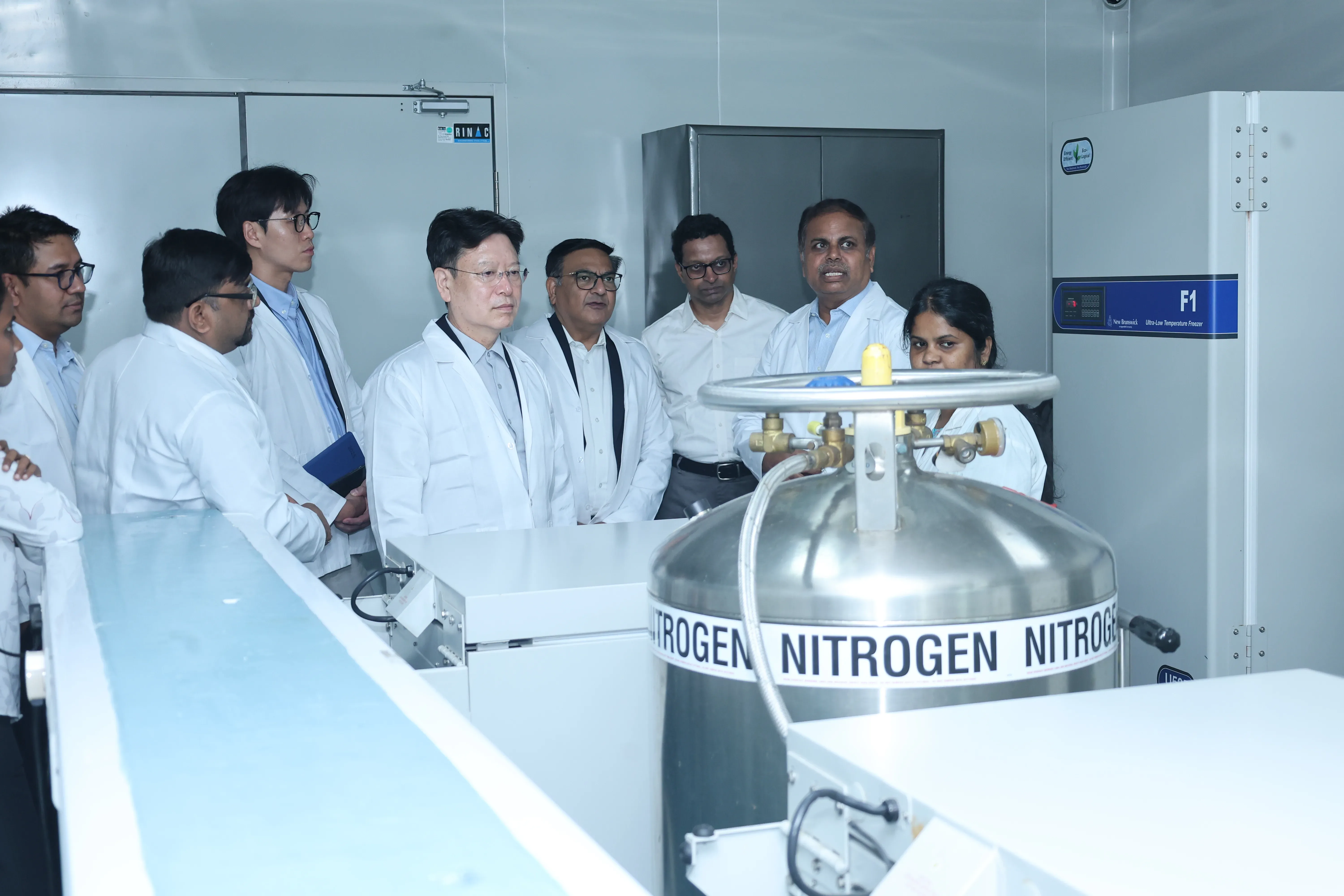
Building India's First Cellular Atlas of the Human Brain Supported by Hindalco | IIT Madras Brain Centre The Opportunity Despite remarkable advances in neuroscience, the human brain remains one of the least understood organs. Most neurological discoveries continue to rely on animal models, limiting our understanding of human brain disorders such as stroke, Alzheimer's disease, Parkinson's disease and developmental disorders. The IIT Madras Brain Centre has developed a first-of-its-kind high-throughput terapixel histology platform capable of imaging entire human brains at cellular resolution , creating unprecedented datasets to advance neuroscience and precision medicine. Our Vision To create India's largest high-resolution digital repository of whole human brains, enabling researchers to understand disease at the cellular level and accelerate breakthroughs in diagnosis, treatment and brain health. The initiative supports the long-term goal of imaging 100+ human brains , positioning India as a global leader in brain mapping research. Technology Pipeline The Brain Centre has established an end-to-end proprietary workflow that transforms donated human brains into interactive digital brain atlases. Post-mortem MRI → Surface Scanning → Cryoprotection & Freezing → 20 μm Cryosectioning → Histological & Immunohistochemical Staining → High-resolution Digital Histology → 3D Reconstruction This pipeline produces terapixel-scale datasets that reveal cellular architecture across the entire brain. Progress Achieved (March 2025) Key Milestones ✔ Completed ~10,000 serial brain sections from a post-mortem ischemic stroke brain ✔ Performed Nissl, H&E, Myelin and Immunohistochemistry (IHC) staining ✔ Generated detailed cellular maps of stroke pathology ✔ Characterised vascular integrity, inflammation, hypoxia, neuronal death and axonal regeneration using advanced molecular markers ✔ Established one of India's most comprehensive multimodal human brain datasets for ischemic stroke research. Research Impact The project enables scientists to: Understand stroke progression at cellular resolution Identify biomarkers for early diagnosis Study blood-brain barrier disruption Investigate inflammatory and immune responses Develop new therapeutic strategies for neurological disorders Build foundational reference datasets for future brain research. Global Collaboration Clinical Partners Christian Medical College (CMC), Vellore Sri Ramachandra Institute of Higher Education & Research Kilpauk Medical College International Research Partners Johns Hopkins University, USA New York University (NYU), USA Driving the Future of Brain Research By combining cutting-edge imaging technology, computational neuroscience and large-scale digital histology, the IIT Madras Brain Centre is creating foundational infrastructure for the next generation of neuroscience research. Supported by Hindalco, this initiative is accelerating discoveries that have the potential to transform the diagnosis and treatment of neurological diseases and establish India as a global hub for brain mapping research. Design recommendation (this would look premium): Header: Hero image of a 3D brain with Whole Human Brain Imaging Project Four statistic cards: 🧠 100+ Human Brains Target 🔬 10,000+ Sections Processed 📷 Cellular Resolution Imaging 🌍 5 National & International Collaborators Middle: A horizontal infographic showing the workflow: Brain Donation → MRI → Cryosectioning → Histology → AI-powered Digital Reconstruction → Disease Discovery Bottom: Three pillars with icons: Technology Innovation Clinical Impact Global Collaboration
 Fundamental Research
Advancing India's Quantum Future
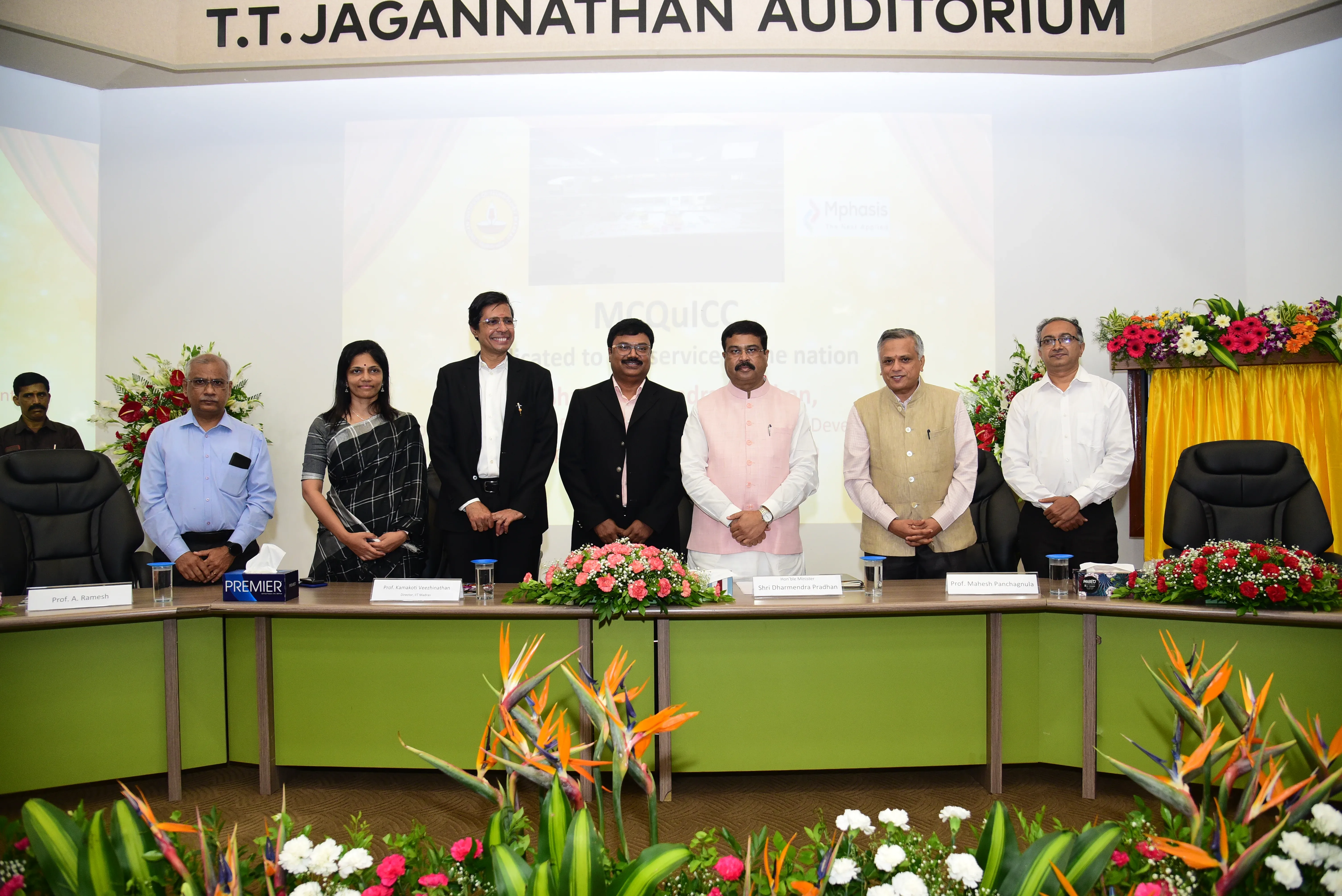
Building World-Class Research, Talent, and Innovation through the Mphasis Centre for Quantum Information, Communication and Computing (MCQuICC) A pioneering partnership accelerating quantum technologies through breakthrough research, industry collaboration, and the development of India's next generation of quantum scientists. The Challenge Quantum technologies are poised to redefine computing, communication, cybersecurity, sensing, and scientific discovery. However, realizing this potential requires sustained investment in fundamental research, skilled talent, advanced infrastructure, and interdisciplinary collaboration. Building a globally competitive quantum ecosystem demands not only scientific breakthroughs but also a strong pipeline of researchers capable of translating research into real-world applications. Vision The Mphasis–CQuICC partnership envisions establishing IIT Madras as a global centre of excellence in quantum technologies by fostering breakthrough research, nurturing highly skilled talent, and accelerating innovation that addresses future challenges in computing, communication, and information security. Through sustained collaboration between academia and industry, the initiative aims to build the scientific foundations that will power the quantum economy of tomorrow. The Initiative The Mphasis Centre for Quantum Information, Communication and Computing (MCQuICC) at IIT Madras serves as a multidisciplinary hub dedicated to advancing quantum science and technology. The centre brings together experts across physics, computer science, electrical engineering, and artificial intelligence to address some of the most challenging problems in quantum computing, communication, sensing, and information processing. Beyond research, MCQuICC actively nurtures India's quantum ecosystem through specialised training programmes, seminars, international collaborations, and scientific conferences, creating an environment where innovation, education, and industry engagement reinforce one another. Driving Quantum Innovation Research at MCQuICC spans a broad spectrum of frontier technologies, including: Quantum computing algorithms for chemistry and scientific simulations Quantum error correction and fault-tolerant computing Machine learning for quantum hardware optimisation Quantum communication and secure digital payments Quantum sensing and photonic technologies Quantum many-body systems and protein structure prediction The centre also strengthens India's research ecosystem by hosting international seminar series, scientific symposia, and collaborative programmes that connect researchers, students, and industry leaders from across the world. Beneficiaries The initiative creates long-term value across multiple stakeholder groups: Students and early-career researchers through specialised quantum education, mentorship, and research opportunities. Faculty and research scientists through interdisciplinary collaboration and access to advanced research infrastructure. Industry partners by enabling translational research in emerging quantum technologies. The broader scientific community through open seminars, conferences, publications, and international collaborations. Society at large , through technologies that will strengthen secure communications, healthcare, financial systems, advanced materials discovery, and next-generation computing. Impact The centre has established itself as one of India's leading quantum research initiatives by combining high-impact scientific research with ecosystem building. During the reporting period, MCQuICC expanded its laboratory infrastructure, trained over 110 participants through its quantum education programme, hosted a national symposium with 112 researchers and 14 invited speakers , organised an active seminar series featuring global experts, and continued producing high-quality research published in leading international journals and conferences. Partnership Mphasis has partnered with IIT Madras to build a world-class quantum research ecosystem that combines frontier science with talent development and industry relevance. By supporting CQuICC, Mphasis is contributing to India's long-term leadership in quantum technologies while enabling research that has the potential to transform industries ranging from healthcare and finance to cybersecurity and advanced computing.
 HealthCare
Hyundai Hope for Cancer
Advancing Precision Oncology. Expanding Access. Transforming Lives. A CSR Initiative by Hyundai Motor India Foundation in partnership with IIT Madras About the Initiative Hyundai Hope for Cancer is a first-of-its-kind collaboration between Hyundai Motor India Foundation (HMIF) and IIT Madras , bringing together world-class cancer genomics research with community-based healthcare interventions. The initiative aims to revolutionize paediatric cancer care in India through precision medicine, early diagnosis, preventive healthcare, and equitable access to treatment. The Need Cancer is one of India's fastest-growing public health challenges. 1.5 Million new cancer cases diagnosed every year Cases projected to double by 2040 50,000+ children diagnosed with paediatric cancer annually Nearly 50% of cancer patients lose their lives due to delayed diagnosis and limited access to advanced treatment India lacks comprehensive population-specific genomic data essential for precision oncology. Our Approach Research & Innovation Establishing the Hyundai Centre for Cancer Genomics at IIT Madras to create India's first childhood cancer genomic database, identify biomarkers for early diagnosis, and develop precision therapies tailored to the Indian population. Prevention & Early Detection Large-scale awareness campaigns, cancer screening programs, HPV vaccination, and mobile health units to improve early diagnosis and reduce cancer burden in underserved communities. Access to Care Providing financial assistance for paediatric cancer treatment, genetic counselling, diagnostics, and capacity building for healthcare professionals to ensure equitable access to quality care. Target Impact 127,000+ Individuals to be screened 5,040+ Girls to receive HPV vaccination 250+ Cancer awareness & screening camps 30+ Children from underserved families to receive free cancer treatment Powered by IIT Madras The initiative is built on IIT Madras' National Cancer Tissue Biobank (NCTB) —India's first community-based national cancer biobank—with advanced genomic sequencing, AI-enabled analytics, and state-of-the-art research infrastructure driving breakthroughs in precision oncology. Creating Hope Beyond Treatment By integrating scientific excellence, preventive healthcare, and community outreach , Hyundai Hope for Cancer seeks to reduce cancer-related mortality, accelerate personalized treatment, and build a future where every child has access to timely diagnosis, better treatment, and renewed hope.
 Fundamental Research
Driving Sustainable Innovation in Wellness: Herbalife India & IIT Madras Collaboration
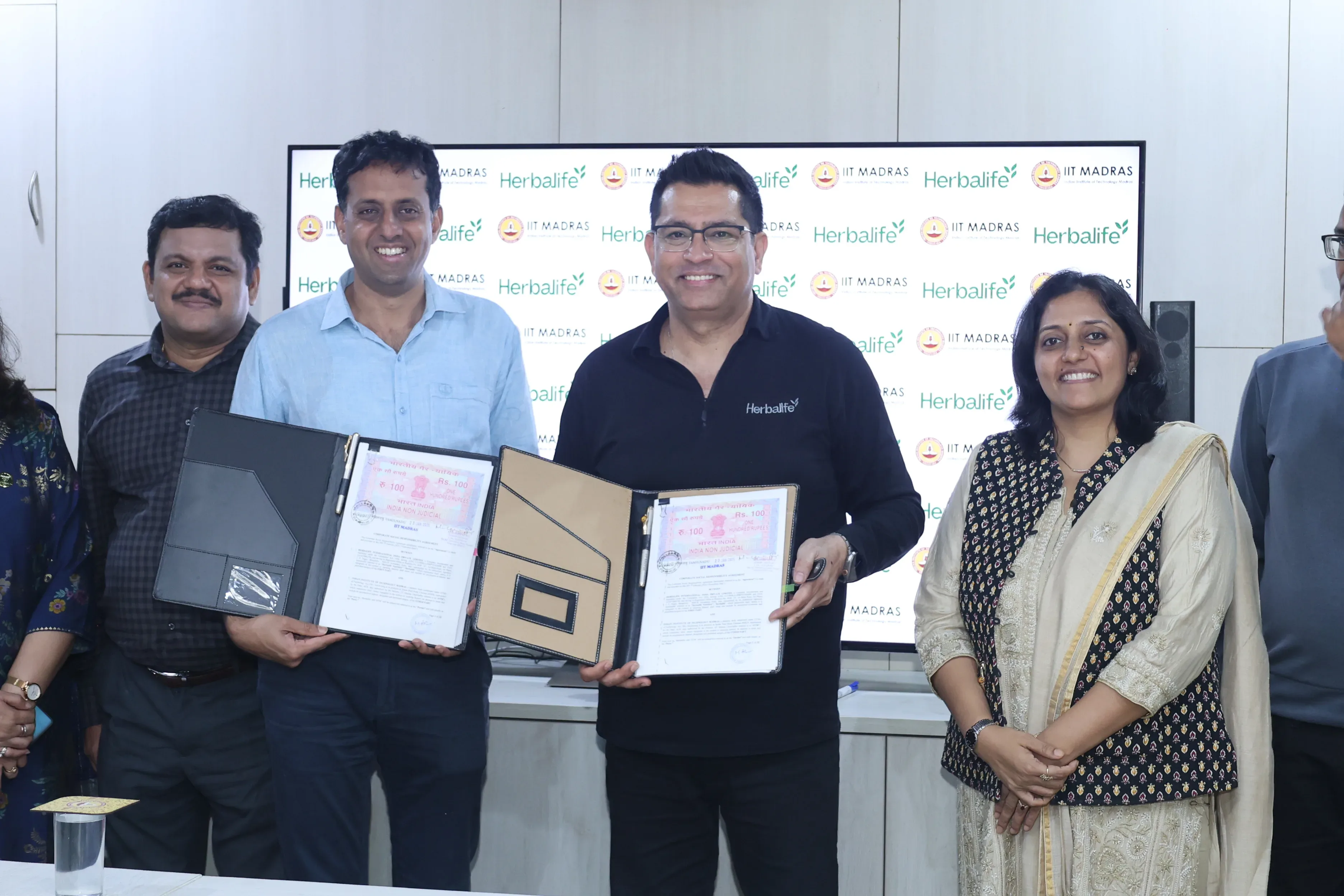
In a significant step towards advancing sustainable biotechnology and strengthening India’s innovation ecosystem, Herbalife India has partnered with Indian Institute of Technology Madras to establish the Herbalife-IITM Plant Cell Fermentation Technology Lab under its Corporate Social Responsibility (CSR) initiative. This collaboration reflects a shared commitment to scientific innovation, environmental sustainability, and capacity building in the nutraceutical and wellness sectors. A CSR Initiative Rooted in Sustainability and Science The newly established Centre of Excellence focuses on leveraging plant cell fermentation technology to produce high-quality herbal raw materials and phytochemicals sustainably. Unlike traditional agriculture, this approach enables: Controlled, in-vitro cultivation of medicinal plants Year-round availability of bioactive compounds Consistent quality and purity of herbal extracts By reducing dependency on land-intensive farming and long harvesting cycles, the initiative promotes green, scalable, and resource-efficient production systems . Technology for Impact: Transforming Herbal Biomanufacturing At the heart of the initiative lies advanced bioreactor-based scaling , allowing large-volume production in minimal space. The lab aims to: Bridge the demand-supply gap in plant-based nutraceuticals and phytochemicals Enable sustainable extraction of bioactive compounds Support innovation in nutraceuticals, cosmeceuticals, and AYUSH formulations This aligns closely with India’s Bio-E3 policy and the vision of Atmanirbhar Bharat , positioning the country as a global hub for bio-manufacturing. Five Pillars of Impact The lab operates across five strategic focus areas: Innovative Research – Driving R&D, translational, and advanced scientific projects Sustainable Biomanufacturing – Scaling plant cell fermentation technologies Technology-Driven Solutions – Using in silico tools for phytochemical discovery Conservation Efforts – Supporting cultivation of endangered medicinal plants Ecosystem Engagement – Enabling hackathons, accelerators, and industry partnerships Building Capacity and Enabling Future Talent Beyond infrastructure, the initiative contributes to: Academic training and research opportunities for students and scientists Industry collaboration platforms for startups and enterprises Entrepreneurship development through innovation programs and accelerators This creates a strong pipeline of talent and solutions in the biotechnology and wellness sectors. Environmental and Social Impact The project directly contributes to: UN Sustainable Development Goal 3 (Good Health & Well-being) Sustainable sourcing of herbal ingredients Conservation of medicinal plant biodiversity Reduced environmental footprint through green extraction technologies CSR Impact Snapshot Non-Financial Impact: Establishment of a state-of-the-art plant cell fermentation lab 5 key innovation and sustainability pillars Year-round, controlled production of herbal bioactives Support for research, training, and entrepreneurship Conservation of endangered medicinal species Financial Impact: Not publicly disclosed, but includes full CSR funding support for lab establishment, infrastructure, and research programs by Herbalife India Conclusion The Herbalife–IIT Madras collaboration demonstrates how CSR can move beyond philanthropy into deep-tech impact , creating long-term value for science, industry, and society. By integrating sustainability with advanced biotechnology, this initiative is not only transforming the herbal wellness ecosystem but also positioning India at the forefront of next-generation bio-manufacturing and innovation .