
Building India's Circular Economy for a Sustainable Energy Future
A transformative partnership between HSBC India and IIT Madras
The Challenge
As the world accelerates its transition to renewable energy, a new environmental challenge is rapidly emerging the mounting volume of end-of-life batteries, solar panels and electronic waste. By 2030, millions of tonnes of lithium-ion batteries and solar panels will reach the end of their life, yet only a small fraction is currently recycled. Recovering valuable metals, plastics and critical materials from these waste streams is essential to reduce dependence on virgin resources, lower emissions, and build a truly circular economy.
Vision
To establish IIT Madras as a global leader in circular economy research by developing technologies that recover value from waste, accelerate clean energy transitions, and create sustainable solutions that benefit industry, society, and the environment. Through innovation, education, and policy leadership, the Centre aims to redefine waste as a valuable resource for a greener future. This wording is consistent with the Centre's stated objectives of technology development, research translation, skill creation, certification, and stakeholder collaboration.
The Initiative
Supported by HSBC India through its CSR programme, IIT Madras established the Centre for Resource Efficiency, Recyclability & Circularity in Energy Transition (CRRET) under the School of Sustainability. The Centre brings together experts from chemical engineering, materials science, sustainability, policy and industry to develop breakthrough technologies for recycling batteries, solar panels, plastics and e-waste. Beyond research, the Centre is creating a national platform for technology translation, skill development, industry collaboration and policy innovation to advance India's transition towards net-zero and circular manufacturing.
Creating a National Centre of Excellence
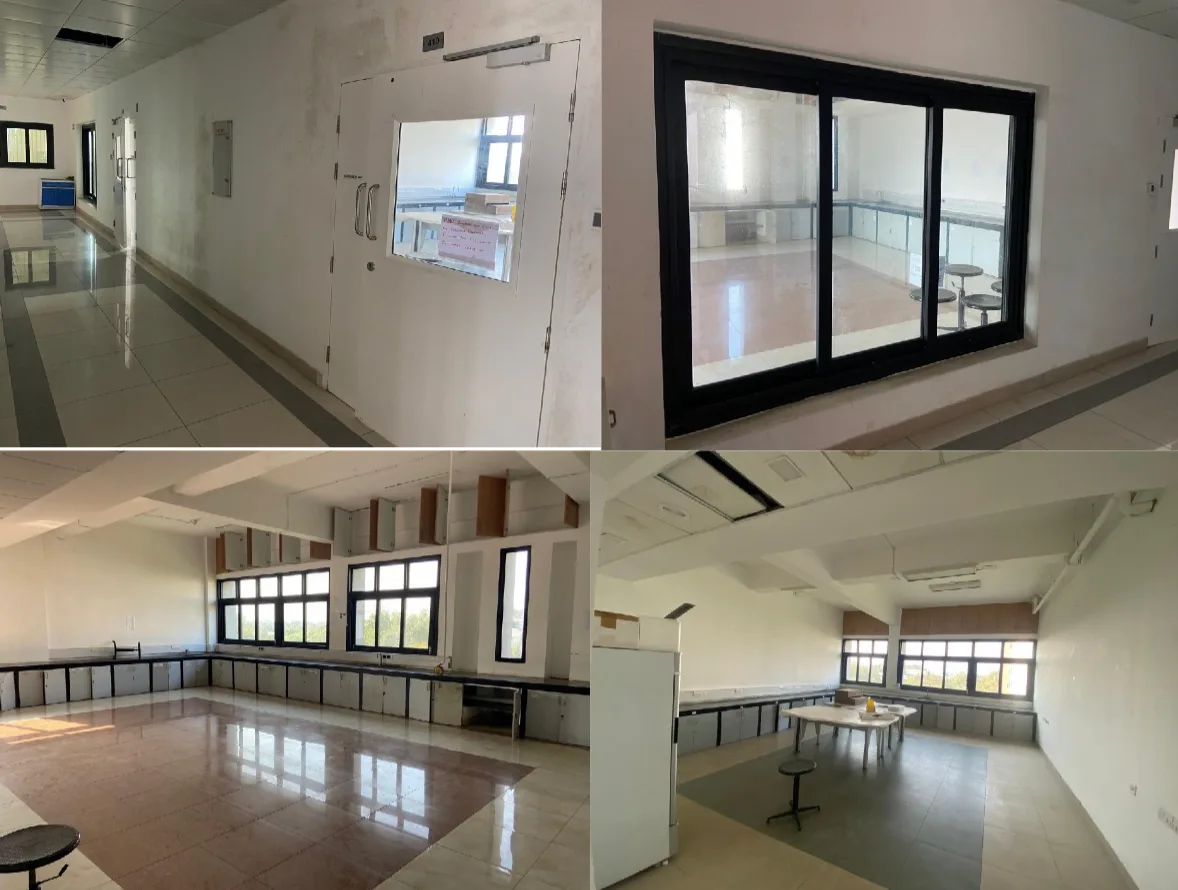
Within its first year, CRRET has rapidly evolved from concept to a fully operational research facility. Dedicated laboratories have been established, advanced recycling and battery fabrication equipment has been commissioned, and specialised research infrastructure has been created to support cutting-edge work in battery recycling, e-waste processing and resource recovery. Strategic collaborations including an industry partnership with Bridge Green UpCycle are accelerating technology development and preparing solutions for commercial deployment.
Research Driving Circular Innovation
The Centre has already launched multiple interdisciplinary research programmes focused on recovering critical minerals from e-waste, scaling battery recycling technologies, developing environmental audit frameworks, creating sustainable policy for end-of-life EV batteries, and advancing circular economy models for recycling industries. Early research has resulted in peer-reviewed publications while laying the foundation for future intellectual property, technology transfer and deep-tech entrepreneurship.
Beneficiaries & Societal Impact
The Centre is creating impact far beyond the laboratory.
Direct beneficiaries include:
- Researchers, doctoral scholars and students working on next-generation recycling technologies.
- Industry partners developing sustainable manufacturing and recycling solutions.
- Policymakers shaping India's circular economy and battery recycling ecosystem.
- School students engaged through outreach programmes that build awareness around sustainability and resource recovery.
- Future beneficiaries include waste pickers and recycling workers through planned large-scale skill development initiatives, alongside professionals who will benefit from upcoming NPTEL certification programmes.